A $4 fiberglass panel changed every month and a $12 pleated filter changed every 90 days cost you about the same, roughly 13 cents a day. Only one of them traps the pet dander and mold spores you can't see drifting through your home.
You can spend less on a 20x25x2 air filter without shortchanging your family's air or your HVAC system, as long as you know where the savings actually are.
When I compare budget filters, I ignore the claims on the front of the box and check four things instead: the actual cut, the MERV rating, the media, and the cost per day.
TL;DR Quick Answers
20x25x2 air filter
A 20x25x2 air filter is a two-inch pleated HVAC filter that actually measures about 19.5 x 24.5 x 1.75 inches. It fits only a two-inch slot. For most homes, a pleated MERV 8 to 11 filter replaced every 90 days protects your family’s air, your home, and your HVAC system without overspending.
Actual size: It measures 19.5 x 24.5 x 1.75 inches. Order by the 20x25x2 label, not the tape measure.
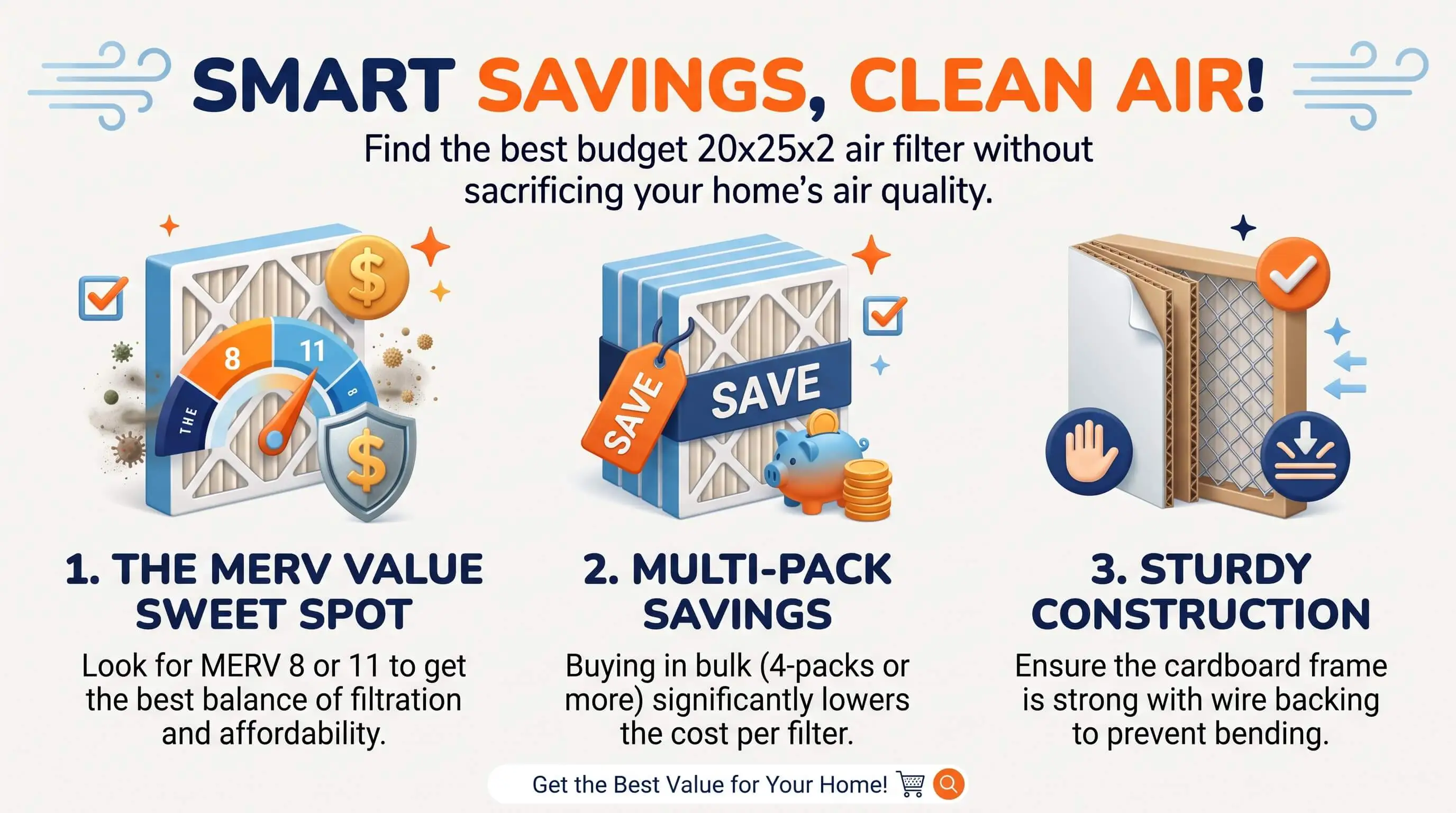
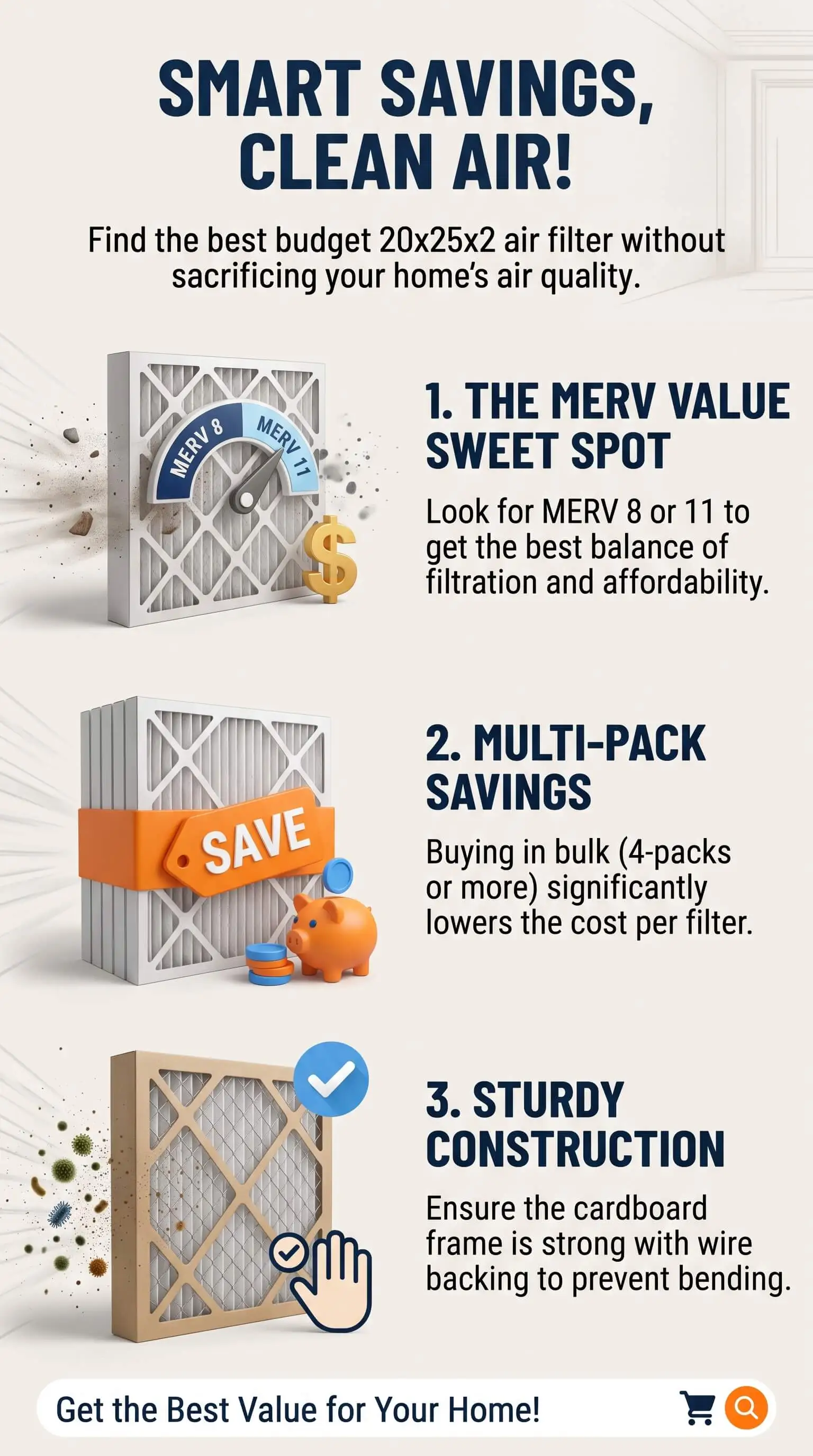
Best MERV value: Choose MERV 8 filter for most homes, MERV 11 for pets and allergies, and MERV 13 for smoke if your system can handle it.
Replacement schedule: Change it every 90 days, about every 60 with a pet, and every 45 with several pets or allergy sufferers.
Media choice: Pleated synthetic media traps far more fine dust and dander than fiberglass, often at about the same cost per day.
Energy impact: The U.S. Department of Energy says replacing a dirty, clogged filter can cut air conditioner energy use by 5 to 15 percent.
Top Takeaways
A 20x25x2 actually measures about 19.5 x 24.5 x 1.75 inches, so check the cut before anything else.
Pleated synthetic media rated MERV 8 to 11 gives most homes the best value.
Swapping a dirty filter can cut air conditioner energy use by 5 to 15 percent, according to the U.S. Department of Energy.
Multipacks and auto-delivery lower your cost per day more reliably than hunting for the cheapest single filter.
What Does the 20x25x2 Size Actually Mean?
20x25x2 is the name you order by. The filter itself measures about 19.5 x 24.5 x 1.75 inches, and that small undercut is deliberate. It lets the frame seat snugly, so air goes through the media instead of around it.
Depth isn't negotiable. A two-inch slot needs a two-inch filter, and a one-inch filter dropped in to save a few dollars leaves gaps where dusty air rides straight to the blower. Like any air filter, a 20x25x2 only protects your system when it seals. Still confirming your size? The 20x25x1 sizing guide on this site walks through nominal and actual measurements step by step.
What Should You Look for in an Affordable 20x25x2 Air Filter?
Fit and filtration come first. Price comes last, and it drops quickly once you buy more than one. Here's my checklist.
The exact actual cut. Check for 19.5 x 24.5 x 1.75 inches on the listing or the frame. A filter that runs small lets air slip past the edges, so you pay to clean air that never touches the media.
A MERV rating your system can use. MERV 8 to 11 suits most homes. Buying more filtration than your blower can pull air through costs you twice, once at checkout and again on the energy bill.
Pleated synthetic media with an electrostatic charge. The pleats add surface area, and the charge pulls in fine particles like dander and mold spores. Allergists at the American College of Allergy, Asthma & Immunology call cheap fiberglass furnace filters ineffective, so don't cut corners here.
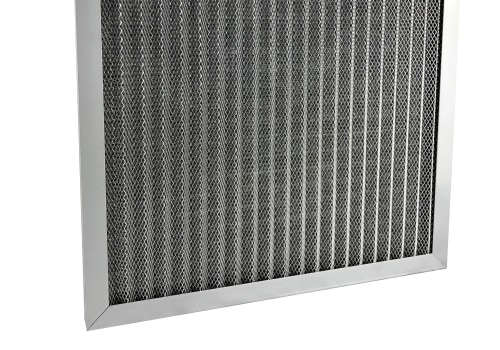
A rigid frame with wire backing. Weak frames bow under airflow and pull away from the track. A beverage board frame with wire support stays flat for the full 90 days.
Multipack pricing. A pleated 20x25x2 air filter nearly always costs less per unit in a four, six, or twelve-pack, and auto-delivery plans usually shave off a bit more.
A clear airflow arrow and a consistent cut. Point the arrow toward the blower, and a consistent cut means every swap fits the same.
Which MERV Rating Gives a 20x25x2 Filter the Best Value?
For most homes, MERV 8 delivers the best value. Step up to MERV 11 if you share your home with pets or allergies, and save MERV 13 for smoke, provided your system was built to handle it. The rating comes from an ASHRAE test of how well a filter captures particles from 0.3 to 10 microns.
MERV 8 traps dust, lint, pollen, and mold spores, which covers a healthy household well.
MERV 11 adds finer dust and pet dander. It's the one I'd pick for a home with a dog, a cat, or spring allergies.
MERV 13 catches smoke and the smallest particles. Denser media pushes back harder on airflow, so read your owner's manual before you buy.
This is where the two-inch depth pays off. More depth holds more pleated media, and more media generally lets air move more easily than a one-inch filter at the same rating. The MERV ratings chart on this site lays out the full scale.
Where Do Cheap Filters End Up Costing You More?
Usually in places you can't see until something goes wrong.
Fiberglass panels. They stop hair and lint, let most fine particles sail through, and often need replacing every month.
Too much MERV. A rating above your system's design raises static pressure. Your blower strains, energy use climbs, and on a hot July afternoon an evaporator coil starved of airflow can ice over.
A loose fit. Gaps around the frame let dusty air bypass the media and settle on the coil and inside the ductwork.
A stretched schedule. The U.S. Department of Energy says replacing a dirty, clogged filter can lower an air conditioner's energy use by 5 to 15 percent.
Why Washing a Pleated Filter Doesn't Save Money
Water strips the electrostatic charge that helps high quality filters grab fine particles, and damp media can warp inside the frame. Once a pleated filter is loaded, swap it out.
How Can You Lower the Cost per Day of a 20x25x2 Filter?
Take the price of one filter and divide it by the days it protects your home. That cost per day tells you whether you found a deal, far more honestly than the sticker does.
Buy a year at a time. On a 90-day schedule, four filters carry you through twelve months, and packs of four or more almost always lower the per-filter price.
Put reorders on autopilot. Auto-delivery ships your next filter on schedule, often at a small discount, so you never pay for the most expensive mistake of all, which is forgetting.
Match the rating to your household. A home without pets or allergy concerns can run MERV 8 and keep the difference.
Look once a month. ENERGY STAR recommends a monthly filter inspection.
How Often Should You Replace a 20x25x2 Air Filter?
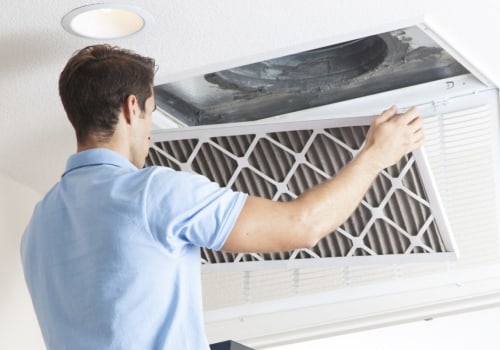
Every 90 days works for most homes. Shorten that to about 60 days with a pet, and to 45 with several pets or someone in the house who reacts to allergens. If light no longer passes through the pleats when you hold the filter to a lamp, it's time. It's a little effort with a big impact, and this site's guide to changing your AC air filter covers timing in more detail.
"In my experience, the budget filters that end up costing homeowners the most are the ones that don't seal. I've pulled two-inch filters that looked clean on the face, with the frame bowed off the track and the coil behind it matted with the exact dust that filter should have stopped. A snug fit and an on-time swap will save you more than any coupon."
7 Essential Resources
1. EPA: What Is a MERV Rating?
The EPA's plain-English explainer on how MERV ratings are tested and what a higher number captures.
Source: https://www.epa.gov/indoor-air-quality-iaq/what-merv-rating
2. U.S. Department of Energy: Maintaining Your Air Conditioner
Why the DOE ranks filter replacement as the top air conditioner maintenance task.
Source: https://www.energy.gov/energysaver/maintaining-your-air-conditioner
3. ENERGY STAR: Maintenance Checklist
A seasonal checklist that starts with checking your filter every month.
Source: https://www.energystar.gov/saveathome/heating-cooling/maintenance-checklist
4. ACAAI: Air Filters
Allergists explain why they favor disposable MERV 11 to 13 filters over fiberglass and permanent ones.
Source: https://acaai.org/allergies/management-treatment/living-with-allergies/air-filters/
5. ASHRAE: Filtration and Disinfection FAQ
The engineers behind the MERV test method on pressure drop and why every filter has to seal.
Source: https://www.ashrae.org/technical-resources/filtration-and-disinfection-faq
6. CDC: Controlling Asthma
The indoor asthma triggers, from dust mites to mold, that a well-chosen filter helps keep down.
Source: https://www.cdc.gov/asthma/control/index.html
7. AAFA: Improve Your Indoor Air Quality for a Healthier Home
Everyday steps for cleaner indoor air, including keeping your HVAC filters on schedule.
Source: https://aafa.org/allergies/prevent-allergies/healthier-home-indoor-air-quality/
3 Supporting Statistics
1. Allergens Turn Up in More Than 90 Percent of U.S. Homes
A national study of nearly 7,000 homes found three or more detectable allergens in more than 90 percent of them, and at least one at elevated levels in 73 percent. Your filter handles that invisible load on every cycle.
Source: https://factor.niehs.nih.gov/2018/1/papers/allergens
2. Heating and Cooling Account for 52 Percent of Home Energy Use
Space heating and air conditioning made up 52 percent of household energy consumption in 2020, according to the U.S. Energy Information Administration. A clogged filter pushes that share higher.
Source: https://www.eia.gov/energyexplained/use-of-energy/homes.php
3. Nearly Half of Americans Live Where Air Quality Fails
The American Lung Association's 2026 State of the Air report found that 152.3 million Americans, 44 percent of the population, live in places with failing grades for ozone or particle pollution. Your return air filter is where those particles stop.
Source: https://www.lung.org/research/sota/key-findings
Final Thoughts and Opinion
I think "budget" is the wrong word for this decision. What you're really buying is days of clean air, and judged that way, a properly sized pleated filter changed every 90 days beats a cheap panel almost every time.
Save where protection isn't on the line. Buy the multipack, pick the rating your household needs instead of the highest number on the shelf, and let auto-delivery do the remembering. That protects your family, your home, and your HVAC system without overspending on any of them.
Frequently Asked Questions
Q: Is a cheap 20x25x2 air filter worth buying?
A: Yes, as long as it matches the 19.5 x 24.5 x 1.75 inch cut, uses pleated media, and carries a MERV 8 to 11 rating. A low price on a filter that leaks air or clogs within a month isn't a savings at all.
Q: Is a pleated filter better value than fiberglass?
A: In most homes, yes. Fiberglass often needs monthly changes and lets most fine particles through, so a 90-day pleated filter can cost about the same per day while trapping far more dust and dander.
Q: Can I use a 20x25x1 filter in a 20x25x2 slot to save money?
A: No. A one-inch filter rattles around in a two-inch track, and air takes the easy path around the frame. Buy the depth your cabinet was built for.
Q: Is MERV 13 worth the extra cost in a 2-inch filter?
A: It can be if you're dealing with wildfire smoke or someone at home is highly sensitive, and your system can handle the extra resistance. Most households get more value from MERV 8 or 11.
Q: How much should a 20x25x2 filter cost per year?
A: Multiply your per-filter price by four, since a 90-day schedule means four changes a year. Multipacks and auto-delivery usually lower that total.
Q: Is 20x25x2 the same as 25x20x2?
A: Yes. Manufacturers list width and height in either order, so both labels describe the same filter.
Choose a 20x25x2 Air Filter That Protects Your Budget and Your Air
The best budget filter fits your slot exactly, matches what your household needs from MERV, and shows up before the old one wears out. Confirm your size and rating, then set a replacement schedule your family can count on.