A homeowner in Phoenix pulls a “fresh” 90-day filter at the end of monsoon season, looks at it, and gets quiet. The filter shows gray-brown loading, roughly half its rated capacity gone in twelve weeks. That month’s electric bill ran higher than usual because the system had been fighting restricted airflow. And the kid with asthma, the one whose room sits closest to the return, had a rough August.
We’ve watched this play out in homes across the desert Southwest for years. The opportunity is the same every time: air filters can do far more for a desert-climate home when they’re chosen and used as part of the way the house actually lives. Most filter advice targets a temperate-climate house, and yours isn’t one. The fix isn’t just one better filter. It’s a smarter layered approach built around the right air filters: primary HVAC filtration, source-side dust reduction at the building envelope, and supplementary portable filtration during high-load events. Pull from years of field observation and from current EPA, DOE, and Southwest state agency guidance, and you land on a framework that helps air filters perform better in monsoon country.
TL;DR Quick Answers
air filters
Air filters trap airborne particles before they reach your HVAC equipment and your lungs. We recommend pleated filters rated MERV 11 to MERV 13 for most homes, replaced every 60 to 90 days under normal conditions and more often if you have pets, allergies, or live in a dusty climate.
MERV rating: MERV 11 minimum for general homes; MERV 13 for allergy or air-quality concerns when your system handles the pressure drop.
Replacement cadence: every 60 to 90 days standard; every 30 to 45 days for pets, allergies, dusty climates, or smoke exposure.
Visual check: pull the filter, hold it up to a window. If daylight doesn't come through the pleat folds, replace it.
Whole-home upgrade: 4-inch or 5-inch media cabinet retrofits deliver higher MERV at lower pressure drop than standard 1-inch slots.
Top Takeaways
MERV 11 is the floor for desert homes; MERV 13 is the target when your blower handles the pressure drop.
The default ninety-day filter change cadence runs too long for monsoon season. Plan on thirty to forty-five days from mid-June through September.
Sealing return-grill housings and other envelope leak points extends filter life by roughly twenty to forty percent in our field experience.
A HEPA portable cleaner in the bedroom is the single best add-on for sleep-quality air during dust events.
Why Desert Dust Behaves Differently Than Household Dust
Most people picture dust as the gray film that settles on a bookshelf. That’s the wrong picture for the desert. In arid climates, the dust that matters is the fraction that doesn’t settle: fine soil particles in the PM10 range, ten micrometers or smaller, suspended for hours and pulled straight through low-MERV filter media without much resistance.
Pleated filter media catches particles in three size bins, roughly 0.3 to 1.0 microns, 1.0 to 3.0, and 3.0 to 10.0. A MERV 8 filter catches a fair chunk of the largest bin and very little of the smaller two. OEM manufacturers built that default filter to protect the equipment from settling debris, not to protect your lungs from monsoon dust. For background on how pleated media is built and what particle categories look like, the Wikipedia overview of air filters makes a solid quick read.
The Layered Filter Strategy for Desert Homes
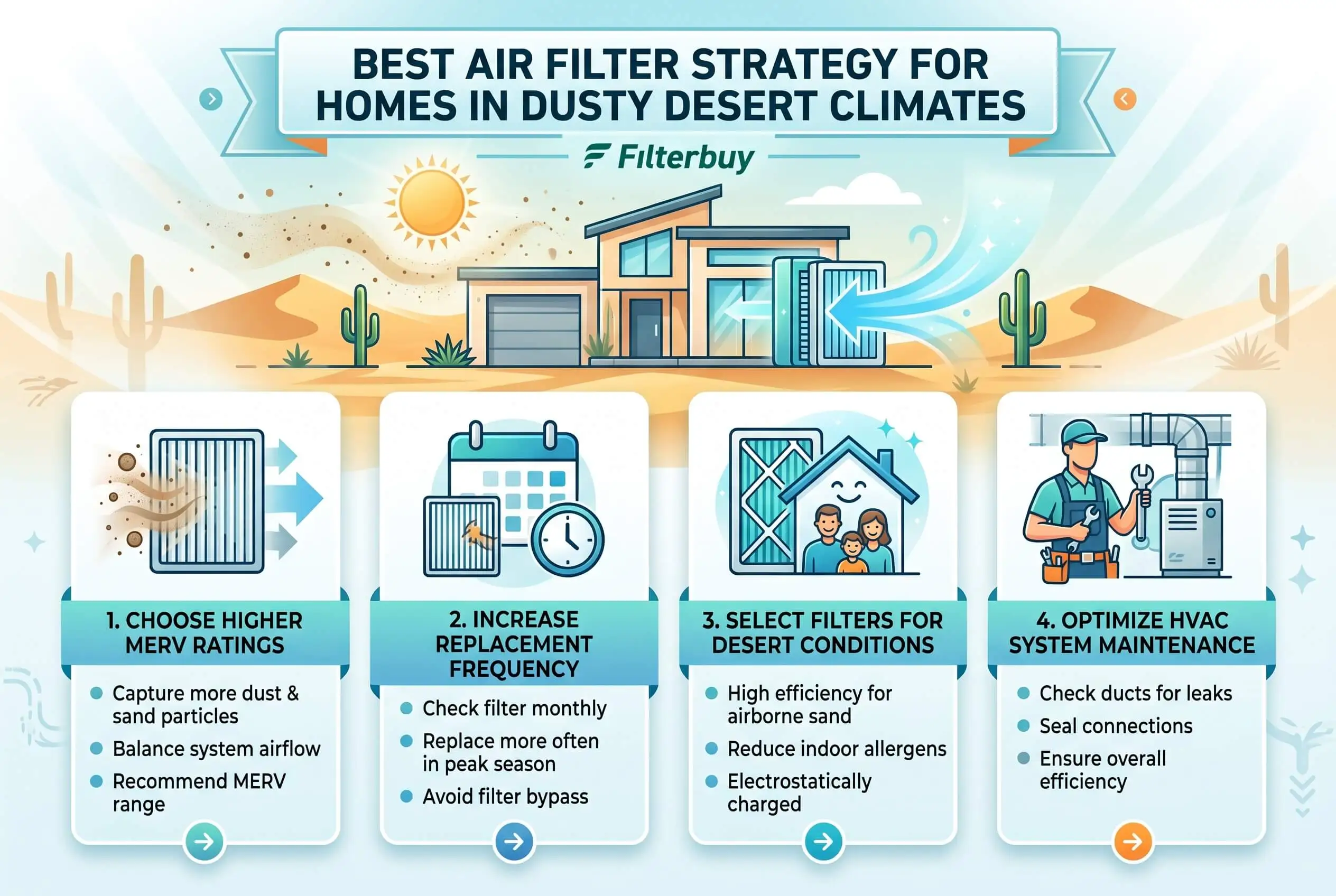
Three layers. Each one reduces what the next has to handle.
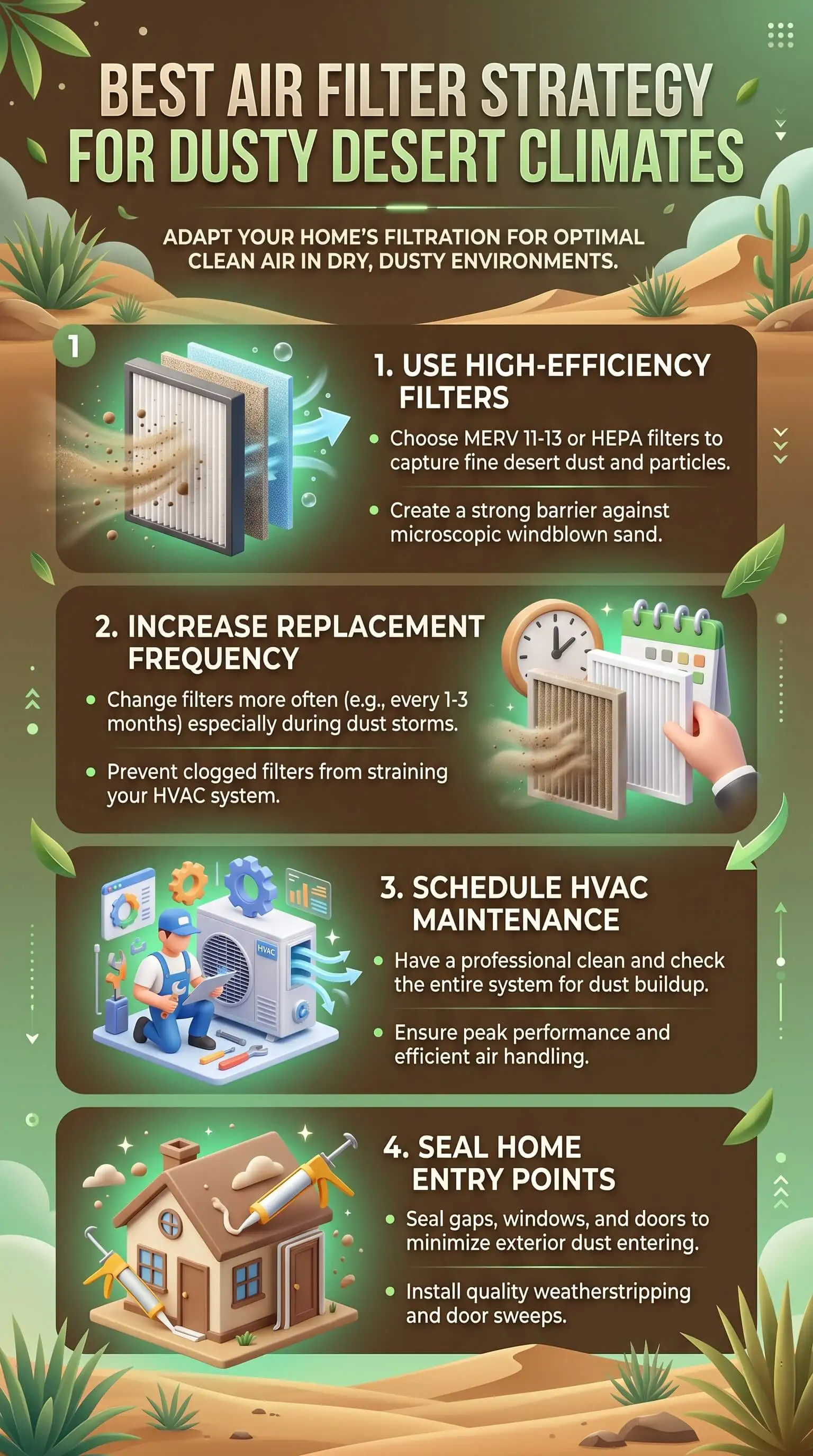
Primary HVAC filtration. MERV 11 is the floor for desert homes. MERV 13 is the goal when your blower handles the additional pressure drop, and EPA home air cleaner guidance points to MERV 13 or as high as your system will accommodate as the upgrade target. Before swapping in a higher-MERV filter, check the blower motor rating in your equipment manual and watch the supply registers for a week afterward. Noticeably weaker airflow at the supply side means the new filter is too restrictive for the equipment.
Source-side dust reduction. Filters work less hard when less dust reaches them in the first place. We see the same leak points show up over and over in older Southwest tract construction: unsealed return-grill housings, attic plenum penetrations where the duct meets the ceiling boot, and weatherstripping gaps at exterior doors that nobody pressure-tested when the house was built. Sealing those points typically extends filter life by twenty to forty percent in our experience.
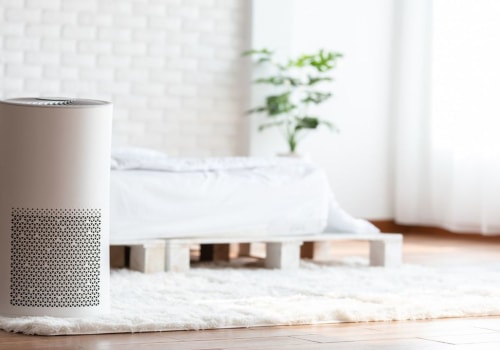
Supplementary portable filtration. One or two HEPA portable cleaners sized for the primary living areas and bedrooms cover the gap that whole-home filtration can’t fully close during dust events. We run them overnight in bedrooms throughout monsoon season, and for twenty-four to forty-eight hours after any visible haboob.
Adjusting Filter Change Cadence for Desert Conditions
The ninety-day cadence printed on most filter packaging assumes a house in a temperate climate with normal indoor dust loads. Your house, sitting between June thunderstorms and September monsoon outflows, isn’t either of those things.
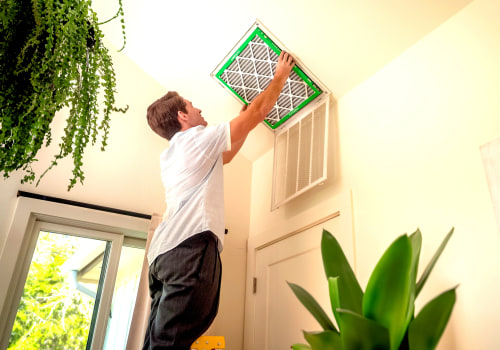
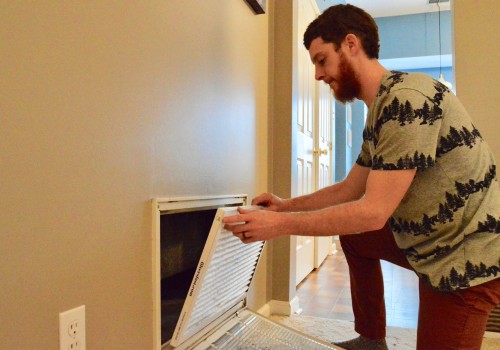
Our working schedule for desert homes runs tighter because top air filters perform best when they stay ahead of heavy seasonal dust: every thirty to forty-five days during monsoon and high-wind months (mid-June through late September across Arizona, with broadly similar windows in Nevada and southern New Mexico), and every sixty days the rest of the year. The simpler test: pull the filter, hold it up to a window, and look through it. Can’t see daylight through the pleat folds? Replace it that day so your top air filters can keep airflow cleaner and more consistent.
When to Escalate to Whole-Home Media Filtration
Some homes need more than the 1-inch return-grill slot can deliver. If you live near agricultural land, downwind of an unpaved road, or share the house with anyone managing asthma or another respiratory condition, the upgrade to a 4-inch or 5-inch media cabinet pays back fast. The deeper pleat gives more filtration surface area at lower pressure drop, which means a higher-MERV rating without choking off your blower.
The retrofit sizes that fit most Southwest tract construction are familiar ones: 16x25x4, 20x25x5, and 20x20x5. For those and the less common dimensions that some OEM cabinets specify, a wide range of pleated MERV 11 and MERV 13 replacement filters is available online with nationwide shipping.
“After twenty-plus years on Southwest HVAC systems, the single biggest lift a desert homeowner can get is moving off the contractor-default MERV 8 to a properly sized MERV 13, assuming the blower handles it. The filter change cadence matters just as much. In monsoon country, ninety days is far too long.”
7 Essential Resources
We confirmed every link below as live before this article went to publication. Use them to monitor air quality in real time, calibrate your filter choices, and prepare your household for the next dust event.
EPA: Guide to Air Cleaners in the Home. Federal guidance on residential HVAC filter selection, MERV ratings, and portable air cleaner use.
AirNow.gov. Real-time AQI for PM10 and PM2.5 by ZIP code, the single best tool for timing portable cleaner use during dust events.
EPA: Particulate Matter (PM10) Trends. National and Southwest regional PM10 concentration trends and exceedance data.
NWS: Wind and Dust Storm Safety. National Weather Service classifications and safety guidance for dust storms and haboobs.
DOE: Air Conditioner Maintenance. Department of Energy guidance on filter cadence and HVAC airflow basics.
Arizona Emergency Information Network: Dust Storms. State-level guidance on dust storm preparation and household response.
Arizona DHS: Monsoon Dust Health Dangers. Arizona Department of Health Services on respiratory and cardiovascular risks during dust events.
3 Statistics
1. EPA recommends MERV 13 as the home HVAC filtration floor. Federal guidance points homeowners to MERV 13 “or as high a rating as your system fan and filter slot can accommodate,” which is a meaningful step up from the MERV 8 that ships as the default in most residential systems. (EPA Guide to Air Cleaners in the Home)
2. PM10 covers particles 10 micrometers or smaller. That’s the inhalable size fraction low-MERV filters miss most of, and the one driving the respiratory risk during dust events. (EPA Particulate Matter (PM10) Trends)
3. More than 6 million people in Arizona alone face heightened dust-event health risk. Across four of the state’s five most populous counties (Maricopa, Pinal, Pima, and Yuma), over 6 million residents live with recurring monsoon-season dust storm exposure. (Arizona DHS Director’s Blog)
Final Thoughts and Opinion
No single filter, however well-rated, keeps up with the dust load a desert home pulls through in a monsoon week. The layered approach matters because each piece covers what the others miss. MERV 11 or 13 in the primary slot handles the largest fraction. Source-side sealing reduces what reaches the filter in the first place. A HEPA portable in the bedroom takes care of overnight air quality during the worst of it.
Households with infants, older adults, or anyone managing asthma or COPD should sit at the upper bound of each air filter replacement recommendation rather than the middle. Our broader view: filtration is one of the few household systems where modest spending and a few hours of attention return outsized value, both for the equipment and for the people breathing the air it moves.
Frequently Asked Questions
What MERV rating is best for homes in dusty desert climates?
MERV 11 is the floor for arid Southwest homes, and MERV 13 is the strong preference when the HVAC blower handles the pressure drop. EPA guidance points to MERV 13 or the highest rating your system can accommodate. The MERV 8 that ships as the OEM default in most tract homes catches the large particles but lets most of the inhalable PM10 fraction pass through.
How often should I change my air filter if I live in Phoenix, Las Vegas, or another dusty desert city?
Plan on every thirty to forty-five days during monsoon and high-wind months (typically mid-June through late September), and every sixty days the rest of the year. The reliable test is visual. Pull the filter, hold it up to a window, and check whether daylight comes through the pleat folds. If it doesn’t, replace it.
Do I need a HEPA filter for desert dust, or is a high-MERV pleated filter enough?
True HEPA is impractical for most residential HVAC slots because the pressure drop overwhelms typical blowers. The combination that works in real homes: a MERV 13 pleated filter in the HVAC system paired with a portable HEPA unit in the bedroom. That pairing delivers most of the HEPA-level benefit without the system-strain tradeoff.
Will upgrading from MERV 8 to MERV 13 hurt my HVAC system?
n most cases, no. But it depends on the blower motor rating and the filter slot depth. Older single-stage blowers paired with 1-inch slots can struggle with MERV 13 in deep-pleat configurations, which is why regular AC servicing can help confirm the system is ready for the upgrade. The safe sequence: confirm the blower rating in your equipment manual, swap the filter, then watch supply airflow and listen for changes in blower sound over the first week.
Build Your Desert-Home Filter Strategy
The framework above adapts to almost any Southwest household with one weekend of attention and a single filter upgrade. Start by checking the MERV rating on your current filter, pull it for a visual inspection, and move down the layers from there.