If you suffer from allergies, your electric furnace is either your greatest ally or your biggest threat — and the difference comes down to maintenance.
Most homeowners don't realize that a standard electric furnace cycles air through your home dozens of times every day. Every pass is another opportunity for dust, dander, and pollen trapped inside the system to recirculate back into the air your family breathes. In our experience manufacturing air filters for over a decade and helping more than two million households breathe cleaner air, the allergy sufferers who struggle most aren't ignoring maintenance — they're simply following the standard checklist and skipping the steps that actually move the needle.
This page goes beyond the basics. You'll find the extra electric furnace maintenance steps allergy sufferers specifically need, the filter upgrades worth making, and the small details that make a measurable difference in your home's air quality year-round.
TL;DR Quick Answers
What is an electric furnace and how does it affect indoor air quality for allergy sufferers?
An electric furnace heats air using resistance coils and distributes it through your home via ductwork — dozens of times every day. Unlike gas furnaces, it produces no combustion byproducts. That makes it appear cleaner. It is not necessarily so.
What allergy sufferers need to know:
Electric coils accumulate dust, dander, and mold spores with nothing to burn them off
Every heating cycle redistributes that buildup through every room in the house
Duct leaks, filter gaps, and uncontrolled humidity compound the problem invisibly
The fix requires going beyond standard maintenance:
Use a MERV 11 or MERV 13 filter — not the default MERV 8
Replace the filter every 30 to 45 days in allergy households
Clean heating coils annually
Keep indoor humidity between 35 and 50 percent
Inspect and seal ductwork every three to five years
After manufacturing air filters for over a decade and serving more than two million households, the pattern is consistent: allergy sufferers with electric furnaces who address these specific points breathe measurably cleaner air at home. The furnace is either part of the solution or part of the problem. Maintenance determines which.
Top Takeaways
Electric furnaces accumulate allergens silently. No combustion means no visible warning signs — just quiet recirculation of dust, dander, and mold spores.
Standard maintenance is the baseline. For allergy sufferers, it is not enough on its own.
Upgrade to MERV 11 or MERV 13. Standard filters do not capture the fine particles that drive allergy symptoms.
Replace filters every 30 to 45 days — not every 90. Allergy households load filters faster than manufacturer timelines assume.
Clean heating coils annually. Particle buildup on coils releases directly into the airstream every time the furnace runs.
Inspect and seal ductwork every three to five years. Leaking ducts pull allergens in from attics, crawl spaces, and wall cavities.
Keep indoor humidity between 35 and 50 percent. Too dry worsens symptoms. Too humid accelerates dust mite and mold growth.
Check the return air path regularly. A filter with even a small bypass gap is not doing its job.
Time maintenance to your allergy season. Clean the system before the heating season begins — not after symptoms appear.
Why Electric Furnaces Demand More Attention From Allergy Sufferers
Electric furnaces don't produce combustion byproducts the way gas furnaces do, which is often seen as a health advantage. And it is — but it also creates a false sense of security, especially when furnace repair issues go unnoticed. Without a flame, there's no visible evidence that something is wrong inside your system. Dust and allergen buildup happens quietly, and because electric furnaces run on resistance heating coils rather than a burner, contamination on those coils doesn't burn off. It accumulates and recirculates.
After manufacturing air filters for over a decade, we've learned that allergy sufferers in all-electric homes often report worse indoor symptom flare-ups than their neighbors with gas systems — not because electric furnaces are less safe, but because the maintenance blind spots are different and less talked about.
Start With the Standard Maintenance Checklist
Before adding allergy-specific steps, the foundation has to be solid. Every electric furnace owner should address the following on a regular basis:
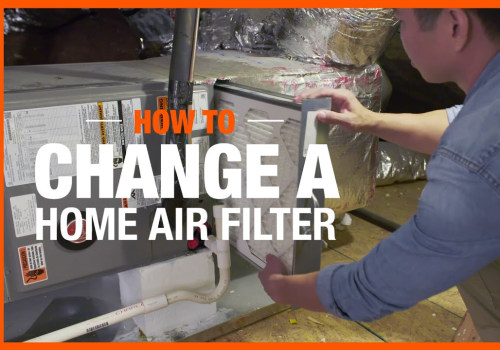
Replace the air filter on schedule — every 30 to 90 days depending on filter type and household conditions
Inspect and clean the blower motor and fan blades annually
Check electrical connections and heating coils for signs of dust accumulation or corrosion
Clear return air vents and supply registers of obstructions
Schedule a professional inspection at least once per year
These are non-negotiable baselines. For allergy sufferers, they are the floor — not the finish line.
The Extra Steps Allergy Sufferers Need to Take
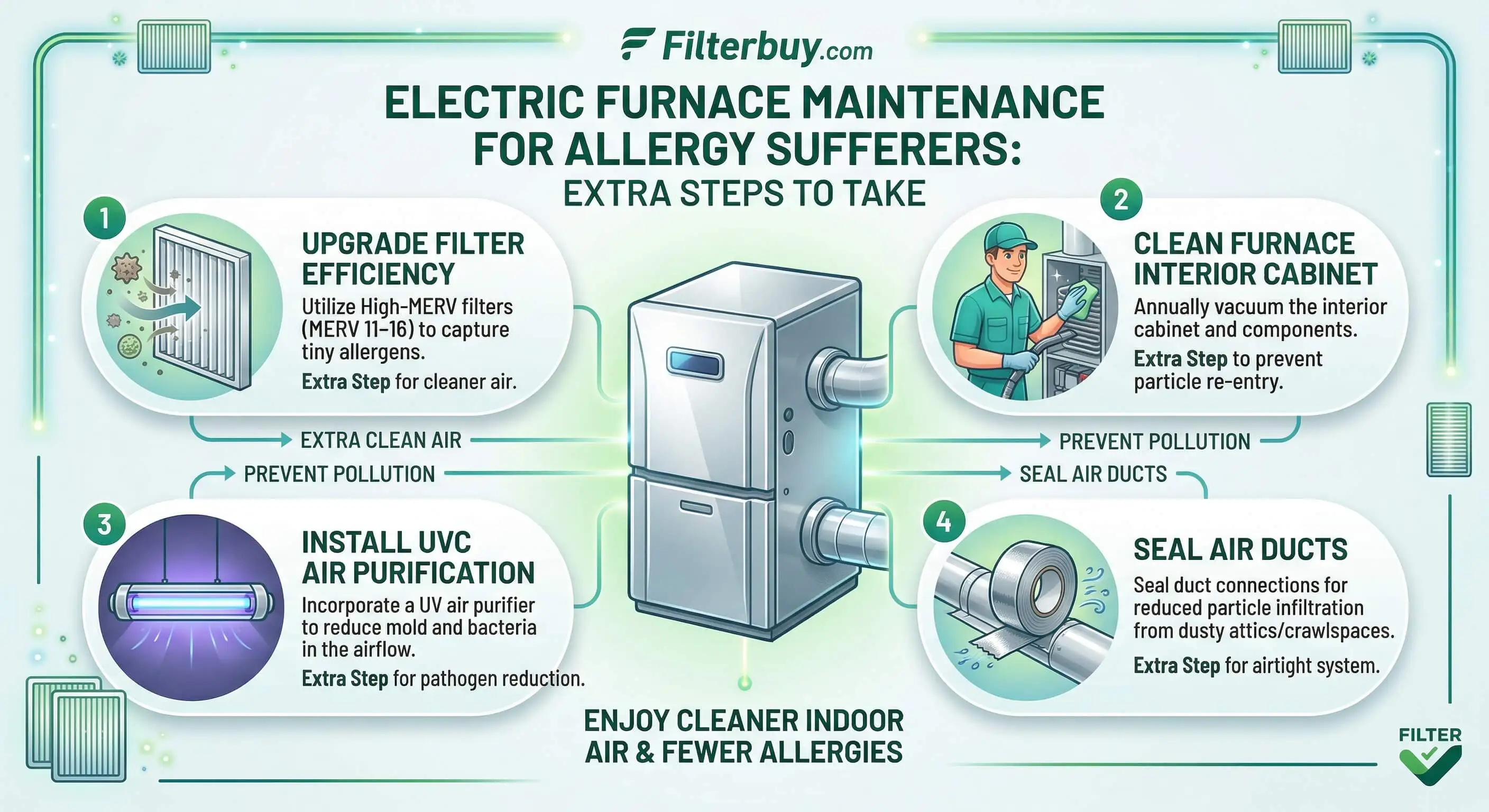
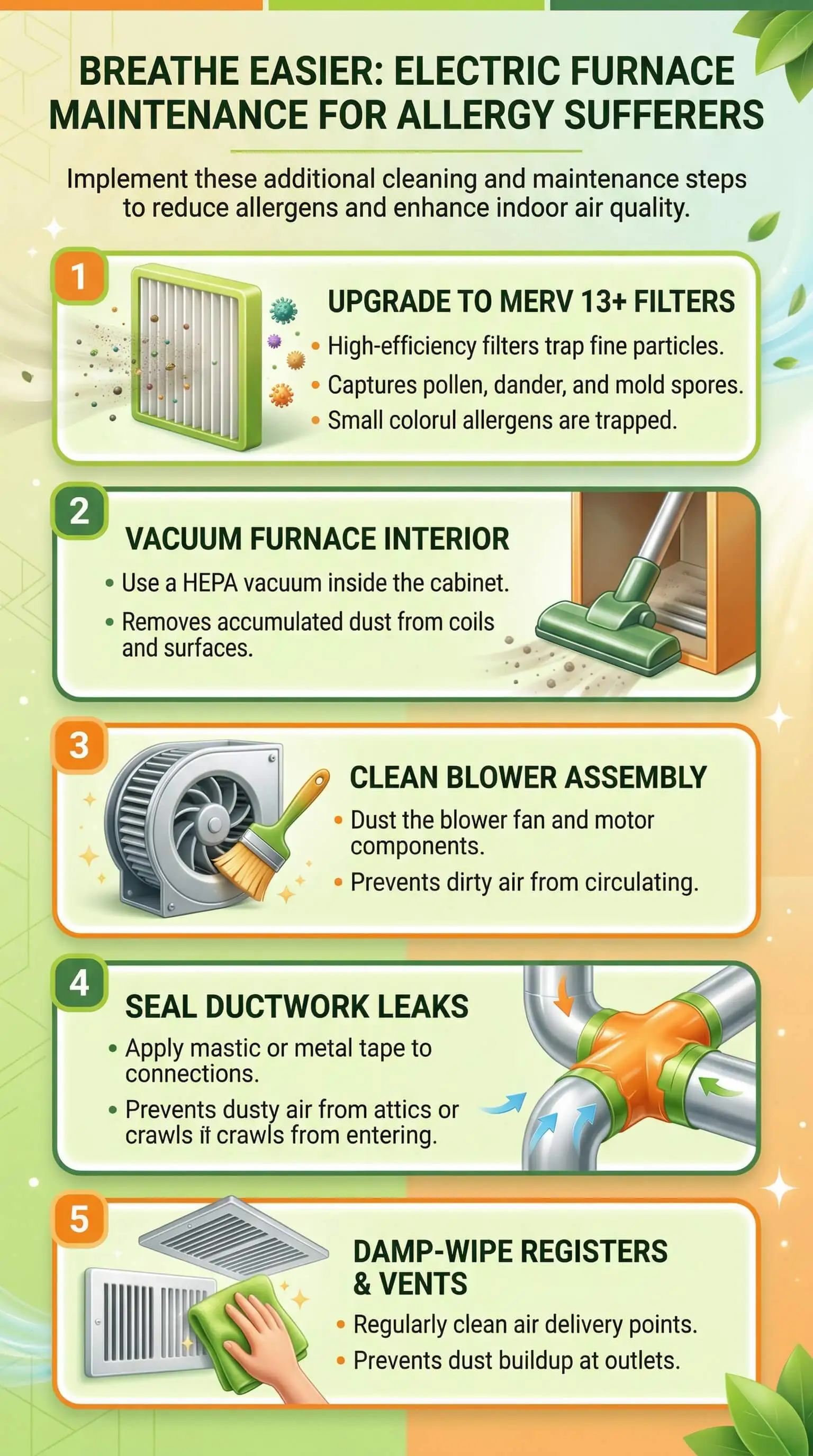
Upgrade to a MERV 11 or MERV 13 Filter
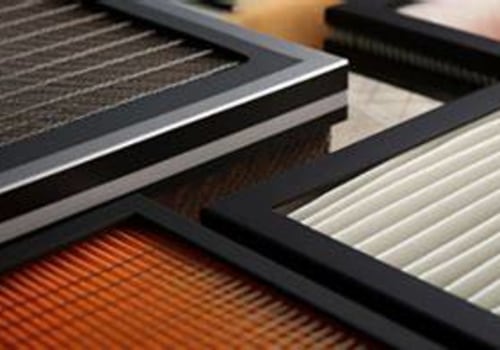
Standard fiberglass filters capture large debris but let fine allergens pass right through. In our experience, the single most impactful change an allergy sufferer can make is upgrading to a high-efficiency pleated filter. These filters capture particles as small as 0.3 to 1.0 microns — including pollen, mold spores, dust mite debris, and pet dander — without the airflow restrictions that come with HEPA-level filtration in a residential system.
A word of caution: not all electric furnaces are rated for dense, high-MERV filters. Before upgrading, confirm your system's static pressure tolerance. A filter that's too restrictive can strain the blower motor and reduce efficiency.
Change Filters More Frequently Than the Label Suggests
Filter manufacturer timelines are built around average household conditions. If you have allergies, pets, live in a high-pollen region, or run your furnace heavily during winter, your filter reaches capacity faster than the label assumes. In homes we've served, allergy sufferers who switched from a 90-day replacement schedule to a 30-to-45-day schedule reported noticeably improved air quality within weeks. Check your filter monthly and replace it when it shows visible loading — don't wait for a scheduled date.
Clean the Heating Coils Annually
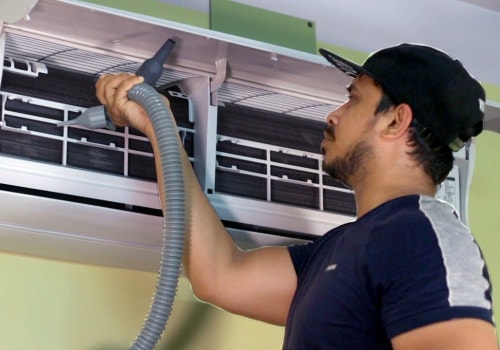
This is the step most standard maintenance checklists skip entirely. Electric resistance coils attract fine particulate matter over time, and when the furnace cycles on, those particles are released directly into the airstream. A professional cleaning — or a careful DIY cleaning with a soft brush and vacuum — removes that buildup before it becomes an airborne allergen load. This is especially important at the start of the heating season when a dormant system fires up for the first time in months.
Seal and Clean Your Ductwork
Even a well-maintained electric furnace can't overcome a leaking or contaminated duct system. Gaps and cracks in ductwork pull in unconditioned air from attics, crawl spaces, and wall cavities — areas that are often loaded with dust, mold spores, and insulation fibers. For allergy sufferers, duct leakage is one of the most overlooked contributors to indoor air quality problems.
Have your ducts inspected every three to five years. If you notice musty odors when the furnace runs, inconsistent airflow between rooms, or unexplained allergy flare-ups at home, duct contamination is a likely suspect.
Control Indoor Humidity Year-Round
Electric furnaces don't add or remove moisture from the air — they simply heat it. In winter, heated air becomes dry, which can irritate airways and make allergy symptoms feel more severe. Dry air also increases the static charge in your home, which causes fine particles to cling to surfaces and then become airborne again with any air movement.
Keep indoor relative humidity between 35% and 50%. A whole-home humidifier paired with your furnace system offers the most consistent control, but AC servicing and a room humidifier in high-use areas can also help. Monitor humidity with an inexpensive hygrometer and adjust accordingly through the season.
Don't Neglect the Return Air Path
The return air side of your system — the vents, filter housing, and return plenum — is where allergens are captured before they reach the furnace. It's also where buildup is most common and least visible. Vacuum return vents regularly, check the filter housing for gaps where unfiltered air can bypass the filter entirely, and ensure all return grilles are fully open and unobstructed. A filter that's installed with even a small gap around the frame is essentially not doing its job.
Timing Your Maintenance to Allergy Season
Seasonal timing matters. Schedule a full system inspection and cleaning in early fall — before the heating season begins — so you're not firing up a dust-loaded furnace during the first cold snap. If your worst allergy season is spring or summer, inspect and clean again at the start of that period even if the furnace isn't in active use, since a dormant system still accumulates dust through return air pathways.
"Most allergy sufferers who come to us have already tried everything their doctor recommended — medication, air purifiers, washing bedding more often. What they haven't looked at is the system that moves air through every room in their home, dozens of times a day. After manufacturing air filters for over a decade and working with millions of households, we've seen the same pattern repeat itself: the electric furnace gets a pass because it runs quietly and doesn't produce exhaust. But quiet doesn't mean clean. The heating coils, the return air path, the ductwork — these are the places allergens hide and recirculate. Once homeowners address those specific points, the difference in how they feel at home is often immediate and significant."
Essential Resources
Allergy sufferers need more than general HVAC advice. These resources from the EPA and the Asthma and Allergy Foundation of America cover the specific decisions that matter — filter ratings, duct condition, humidity control, and allergen reduction — so you can take the right steps with confidence.
Understand the Filter Rating System That Protects Allergy Sufferers Most
U.S. Environmental Protection Agency — What Is a MERV Rating? https://www.epa.gov/indoor-air-quality-iaq/what-merv-rating
MERV ratings measure how well a filter captures particles between 0.3 and 10 microns — the range that includes pollen, dust mite debris, mold spores, and pet dander. The EPA recommends a minimum MERV 13 for improved indoor air quality. Check what your system can handle before upgrading.
Choose the Right Air Cleaner or Filter for Your Heating System
U.S. Environmental Protection Agency — Guide to Air Cleaners in the Home https://www.epa.gov/indoor-air-quality-iaq/guide-air-cleaners-home
This EPA guide compares furnace filters and portable air cleaners so you know which tool addresses which problem. It covers efficiency ratings, common indoor pollutants, and what filtration realistically can and cannot remove. A useful reference before making any filter or purifier decision.
Know When Duct Cleaning Is Worth It — and When It Isn't
U.S. Environmental Protection Agency — Should You Have the Air Ducts in Your Home Cleaned? https://www.epa.gov/indoor-air-quality-iaq/should-you-have-air-ducts-your-home-cleaned
The EPA lays out the specific conditions that justify professional duct cleaning — visible mold, musty odors, moisture contamination, and unexplained allergy symptoms. It also explains what a qualified cleaning should include and why moisture in ductwork is the leading driver of biological growth. Read this before scheduling a service call.
Identify the Biological Allergens Hiding in Your Home's Air System
U.S. Environmental Protection Agency — Biological Pollutants' Impact on Indoor Air Quality https://www.epa.gov/indoor-air-quality-iaq/biological-pollutants-impact-indoor-air-quality
Mold spores, dust mites, pet dander, and pollen are the most common biological contaminants cycling through forced-air systems. This EPA resource explains how indoor humidity directly controls whether these allergens thrive or are suppressed. Keeping relative humidity between 30 and 50 percent is the single most effective biological control measure available to homeowners.
Get the Full Picture on Indoor Air Pollutants and How to Control Them
U.S. Environmental Protection Agency — Care for Your Air: A Guide to Indoor Air Quality https://www.epa.gov/indoor-air-quality-iaq/care-your-air-guide-indoor-air-quality
A practical EPA overview covering mold, VOCs, particulate matter, and humidity — with clear actions for each. It includes humidity targets, ventilation guidance, and filter upgrade recommendations that apply directly to allergy sufferers running electric furnaces year-round.
Follow Allergen-Specific Guidance from the Leading Allergy Patient Organization
Asthma and Allergy Foundation of America — Control Indoor Allergens to Improve Indoor Air Quality https://aafa.org/allergies/prevent-allergies/control-indoor-allergens/
The AAFA addresses dust mites, pet dander, mold spores, and pollen from the patient perspective — not the contractor's. It covers filtration, humidity reduction, and cleaning practices specific to allergy sufferers. One of the most targeted references available for homeowners managing symptoms at home.
Learn How Humidity and Household Habits Drive Airborne Allergen Levels
U.S. Environmental Protection Agency — The Inside Story: A Guide to Indoor Air Quality https://www.epa.gov/indoor-air-quality-iaq/inside-story-guide-indoor-air-quality
The EPA connects furnace operation, humidity management, and cleaning routines into a single framework for protecting indoor air. Dust mites — among the most powerful biological allergens — grow specifically in warm, damp conditions. Keeping relative humidity in the 30 to 50 percent range is the most consistent way to suppress them.
Supporting Statistics
The data behind indoor air quality and allergy exposure shows why electric furnace maintenance is a health priority — not a household chore.
90% of your time is spent indoors — where pollutant levels are often 2 to 5 times higher than outside.
According to the EPA, Americans spend approximately 90 percent of their time indoors, where common pollutant concentrations frequently exceed outdoor levels by a factor of two to five. For allergy sufferers, that changes what furnace maintenance means:
A neglected filter is not a minor inconvenience — it is a daily exposure risk
Dirty heating coils and leaking ducts recirculate allergens through a closed environment
Proper maintenance is the difference between a system that protects your family and one that works against them
Source: U.S. Environmental Protection Agency — Indoor Air Quality https://www.epa.gov/report-environment/indoor-air-quality
More than 82 million Americans were diagnosed with seasonal allergic rhinitis in 2024.
The Asthma and Allergy Foundation of America reports that seasonal allergy diagnoses reached 82 million in 2024 — roughly 25 out of every 100 adults and 21 out of every 100 children. Indoor air quality is not a niche concern. It is a daily health reality for a significant portion of the households we serve. After manufacturing air filters for over a decade and shipping to more than two million homes, we see this reflected in our customers' filter choices and replacement frequency every day.
Source: Asthma and Allergy Foundation of America — Allergy Facts and Figures https://aafa.org/wp-content/uploads/2025/04/aafa-allergy-facts-and-figures.pdf
8 out of 10 Americans are exposed to dust mites. 6 out of 10 are exposed to cat or dog dander.
The AAFA identifies dust mites and pet dander as the two most pervasive indoor allergens in U.S. homes. Both are microscopic, airborne, and invisible — and both cycle through forced-air systems when maintenance gaps exist. The two highest-impact steps for addressing them:
Upgrade to a MERV 11 or MERV 13 filter to capture fine particulate at the source
Keep the return air path clean to prevent allergen accumulation between filter changes
Source: Asthma and Allergy Foundation of America — Control Indoor Allergens to Improve Indoor Air Quality https://aafa.org/allergies/prevent-allergies/control-indoor-allergens/
Allergic rhinitis affects up to 60 million Americans every year.
The CDC reports that allergic rhinitis — nasal inflammation and congestion triggered by airborne allergens — affects up to 60 million people in the United States annually. Dust mites, mold spores, and pet dander are among the most persistent year-round drivers. Managing those triggers at the furnace level, where air is filtered and distributed throughout the home, delivers more consistent relief than medication alone.
Source: Centers for Disease Control and Prevention — Allergens and Pollen https://www.cdc.gov/climate-health/php/effects/allergens-and-pollen.html
Final Thoughts
Electric furnace maintenance for allergy sufferers is not a longer version of the standard checklist. It is a fundamentally different approach — one that treats the furnace as an air quality system first and a heating system second.
That distinction matters. A furnace can run efficiently while quietly redistributing dust mite debris, mold spores, and pet dander through every room in the house. For allergy sufferers, that is not a well-maintained system. It is a well-disguised one.
After manufacturing air filters for over a decade and serving more than two million households, our perspective is direct. The allergy sufferers who see the most consistent improvement at home are not the ones who spend the most — they are the ones who address the right things:
A MERV 13 filter costs a few dollars more than a standard filter
Checking the return air path for bypass gaps takes five minutes
Scheduling a coil cleaning adds one task to an annual inspection
None of these steps are complicated or expensive. What they require is knowing they matter — and understanding exactly why.
In our view, the indoor air quality conversation in this country remains too focused on outdoor pollution and seasonal pollen counts. The system moving air through your home right now — through your bedroom, your children's rooms, your living spaces — deserves at least as much attention. The data supports this directly:
The EPA confirms indoor pollutant concentrations frequently run two to five times higher than outdoor levels
The AAFA confirms more than 82 million Americans are living with diagnosed allergic rhinitis
The opportunity to act on both starts with your electric furnace
You are already the person who maintains the home and protects the family. The steps on this page make that effort count for more — not just a running furnace, but genuinely cleaner air with top air filters for the people who matter most.
FAQ on Electric Furnace Maintenance for Allergy Sufferers
Q: What is the best filter MERV rating for an electric furnace in an allergy household?
A: MERV 13 is our recommendation for allergy households. Key reasons:
Captures pollen, dust mite debris, mold spores, and pet dander at a level standard filters cannot match
Most systems default to MERV 8 — a rating built for equipment protection, not allergy relief
Upgrading to MERV 13 is the single highest-impact filter decision an allergy sufferer can make
One condition applies: confirm your system can handle the added resistance before switching. The right filter in the wrong system reduces airflow and strains the blower. Check your owner's manual or consult an HVAC professional first.
Q: How often should allergy sufferers replace their electric furnace filter?
A: Every 30 to 45 days — not every 90. Here is why:
Manufacturer timelines reflect average households, not allergy sufferers, pet owners, or high-pollen environments
A loaded filter stops capturing allergens and becomes a resistance point that strains the blower
Households that shift from 90-day to 30-to-45-day schedules notice the difference quickly
Check monthly. Replace on condition, not on a calendar date.
Q: Can an electric furnace make allergy symptoms worse?
A: Yes — and it is one of the most consistently misunderstood dynamics we encounter. Three hidden factors combine to make it worse:
Resistance coils accumulate fine particulate over time with nothing to burn it off
Duct leaks pull unfiltered air in from attics and crawl spaces
A filter installed with even a small gap bypasses filtration entirely
Each issue is invisible. Each compounds the others. Together they turn a quietly running furnace into an allergen distribution system. The fix is straightforward — but only if you know where to look.
Q: Does duct cleaning help with allergies in an electric furnace home?
A: Only when the right conditions apply. The EPA identifies four triggers that justify professional duct cleaning:
Visible mold growth inside ducts or on system components
Confirmed moisture contamination in the duct system
Musty odors present when the furnace runs
Unexplained allergy symptom increases at home
Outside those conditions, disciplined preventive maintenance delivers comparable results at a fraction of the cost. One insight we share consistently: never schedule duct cleaning without addressing the furnace first. Dirty coils recontaminate freshly cleaned ducts within a single heating season.
Q: What indoor humidity level is best for electric furnace allergy sufferers?
A: Between 35 and 50 percent. Electric furnaces heat air without regulating moisture — active management is required. Here is what happens outside that range:
Below 35 percent: dry air irritates airways and keeps fine particles airborne longer via static charge
Above 50 percent: dust mites and mold accelerate rapidly
Two tools that make the difference:
A whole-home humidifier paired with the furnace for consistent year-round control
A hygrometer to monitor real-time humidity levels — it costs less than a replacement filter and removes the guesswork entirely
Take Control of Your Home's Air Quality Today
If you suffer from allergies and rely on an electric furnace, the right filter is the first and most impactful step you can take right now. Shop Filterbuy's MERV 11 and MERV 13 air filters — American-made, cut to your exact size, and shipped directly to your door.