In the realm of HVAC systems, air filters play a pivotal role that often goes unnoticed until problems arise. These unassuming components are essential for maintaining both the air quality within our homes and the overall efficiency of our air conditioning systems. By capturing dust, allergens, and other particulates, air filters ensure that the air circulating through our living spaces is clean and safe to breathe. This is particularly important in today’s world, where indoor air quality can be significantly worse than that of the outdoors.When an air conditioning system operates without a filter, it becomes a conduit for pollutants rather than a barrier against them.
The absence of a filter allows dirt and debris to infiltrate the system, leading to a host of issues that can compromise both health and comfort. Not only does this result in poor air quality, but it also places undue strain on the system itself. Over time, this can lead to increased energy consumption and costly repairs, as the system struggles to function efficiently under these adverse conditions.Understanding the importance of air filters is crucial for any homeowner or business owner looking to maintain their HVAC systems effectively. Regularly replacing or cleaning these filters is not just a maintenance task; it is a vital step in ensuring that your air conditioning system operates at peak performance.
By prioritizing air filter maintenance, you can enhance your indoor environment while also extending the lifespan of your HVAC equipment.
The Consequences of Operating Without an Air Filter
Operating an air conditioning system without a filter can lead to a myriad of serious consequences, both for the unit itself and for the indoor environment. One of the most immediate risks is the accumulation of dust, dirt, and other particulates within the system. These contaminants can settle on critical components such as the evaporator coils and blower fan, leading to significant operational inefficiencies.When dirt builds up on the evaporator coils, it acts as an insulating layer that prevents the coils from absorbing heat effectively. This not only forces the system to work harder to cool your space but also increases energy consumption, resulting in higher utility bills.Over time, this excessive strain can lead to premature wear and tear on the unit, necessitating costly repairs or even complete replacement.Moreover, running an AC unit without a filter can severely impact indoor air quality. The absence of a filter means that allergens, dust mites, pet dander, and other harmful particles are circulated throughout your home or office. This can exacerbate respiratory issues and allergies among occupants, leading to health complications that may require medical attention.In addition to health risks, neglecting to use an air filter can also lead to moisture buildup within the system. When air is not properly filtered, it can carry excess humidity into the unit.
This moisture can create an ideal environment for mold and mildew growth, which not only damages the HVAC system but also poses serious health risks to those exposed.Furthermore, many HVAC systems are designed with specific airflow requirements in mind. Operating without a filter disrupts this airflow, potentially causing overheating of components like the compressor. A malfunctioning compressor is one of the most expensive repairs in HVAC maintenance, often costing hundreds or even thousands of dollars.To summarize, running an air conditioning unit without a filter is a risky endeavor that can lead to:
- Increased energy costs due to reduced efficiency.
- Health issues from poor indoor air quality.
- Mold growth from excess moisture.
- Expensive repairs from damaged components.
Health Risks Linked to Poor Indoor Air Quality
Operating an air conditioning system without a filter can significantly compromise indoor air quality , leading to a range of health risks that can affect everyone in the space.When air filters are neglected, the system becomes a conduit for various pollutants, which can exacerbate existing health conditions and create new ones.One of the primary concerns is the accumulation of respiratory irritants. Dust, pollen, mold spores, and pet dander can easily circulate through an unfiltered air conditioning system. These particles can trigger allergic reactions and respiratory issues, particularly in sensitive individuals such as children, the elderly, or those with pre-existing conditions like asthma or chronic obstructive pulmonary disease (COPD).Moreover, the lack of filtration allows harmful microorganisms to thrive. Bacteria and viruses can proliferate in stagnant air within the system, leading to potential outbreaks of illnesses.
For instance, studies have shown that poorly maintained HVAC systems can harbor pathogens that contribute to respiratory infections and other health complications.In addition to biological contaminants, volatile organic compounds (VOCs) from household products, paints, and cleaning agents can also accumulate in indoor air. Without a filter to capture these harmful substances, occupants may experience symptoms such as headaches, dizziness, and long-term health effects from prolonged exposure.To mitigate these risks, it is essential to prioritize regular maintenance of your air conditioning system. This includes not only changing filters but also scheduling professional inspections to ensure that all components are functioning correctly. By doing so, you can significantly improve indoor air quality and protect the health of everyone in your home or workplace.In summary, neglecting to use an air filter in your air conditioning system poses serious health risks due to poor indoor air quality.
From respiratory issues to exposure to harmful pollutants, the consequences can be severe. Ensuring that your system is equipped with a high-quality filter and maintained regularly is crucial for safeguarding your health and well-being.
How Air Filters Improve Energy Efficiency
Maintaining clean air filters in your HVAC system is not just a matter of health; it significantly impacts the energy efficiency of your air conditioning unit. When air filters are clogged with dust, dirt, and other particulates, the system has to work harder to circulate air throughout your home. This increased workload can lead to higher energy consumption and, consequently, inflated utility bills.How Clean Filters Enhance Energy Efficiency
When air filters are clean, they allow for optimal airflow.
This means that the air conditioning system can operate at its designed capacity without straining. A clean filter reduces the resistance against which the fan must work, leading to:
- Lower Energy Consumption: With less strain on the system, energy usage decreases. Studies have shown that a clean filter can improve energy efficiency by up to 15%.
- Improved Cooling Performance: A well-maintained filter ensures that cool air is distributed evenly throughout your space, enhancing comfort levels.
- Extended Equipment Lifespan: By reducing wear and tear on components like the compressor and fan motor, clean filters can prolong the life of your HVAC system.
The Cost Savings of Regular Filter Maintenance
Investing in regular maintenance of your air filters can lead to significant cost savings over time. Here’s how:
- Reduced Repair Costs: A system that runs efficiently is less likely to experience breakdowns.
Regularly changing or cleaning filters can prevent costly repairs associated with overworked components.
- Lower Utility Bills: As mentioned earlier, a clean filter can enhance energy efficiency, leading to lower monthly energy costs.
- Increased System Efficiency: An efficient HVAC system not only saves money but also provides better indoor air quality and comfort.
Identifying and Replacing Air Filters: A Step-by-Step Guide
Maintaining your HVAC system is crucial for ensuring optimal performance and air quality. One of the most important aspects of this maintenance is regularly identifying and replacing air filters.Here’s a step-by-step guide to help you through the process.
Step 1: Locate Your Air Filter
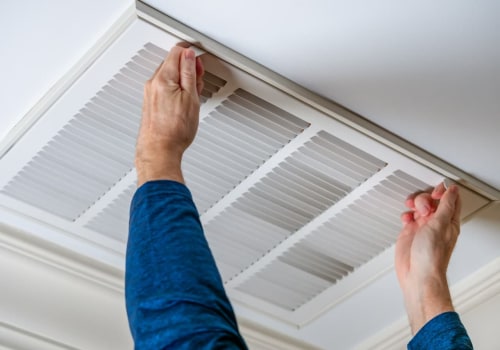
The first step in replacing your air filter is to find its location. Air filters can be found in various places depending on the type of HVAC system you have:- Central Air Conditioning Systems: Typically, the filter is located in the return air duct or near the air handler unit.
- Furnaces: The filter may be found at the bottom or side of the furnace, or in the ductwork leading to the furnace.
- Window Units: For window air conditioning units, the filter is usually accessible from the front panel.
- Portable Units: These often have filters located behind a removable panel, which can be easily accessed for cleaning or replacement.
Step 2: Turn Off Your HVAC System
Before you begin working on your HVAC system, it’s essential to turn it off. This ensures your safety and prevents any damage to the system while you are replacing the filter.Step 3: Remove the Old Filter
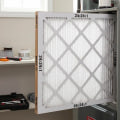
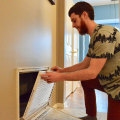
Once you’ve located your air filter, carefully remove it from its slot. Take note of how it is positioned, as you will need to install the new filter in the same orientation.If the filter is dirty or clogged, it’s time for a replacement.
Step 4: Choose the Right Replacement Filter
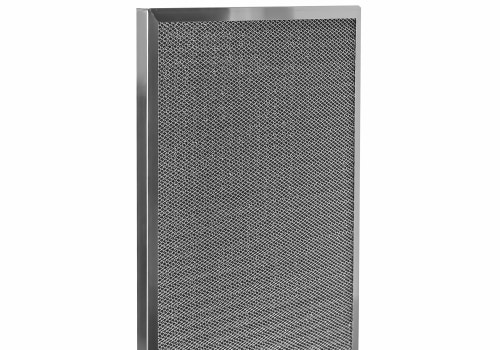
Selecting the correct replacement filter is vital for maintaining your system's efficiency. Check the size and type of your old filter, which is usually printed on its frame. Common types include:- Fiberglass Filters: Basic filters that capture larger particles but may not improve air quality significantly.
- Pleated Filters: More efficient at trapping smaller particles and allergens.
- HEPA Filters: Ideal for those with allergies, as they capture up to 99.97% of particles.
Step 5: Install the New Filter
Insert the new filter into its slot, ensuring it fits snugly and is oriented correctly. Most filters have arrows indicating airflow direction; make sure these arrows point towards the blower motor.Step 6: Turn Your HVAC System Back On
After replacing the filter, turn your HVAC system back on.Monitor its performance over the next few days to ensure everything is functioning properly.
Maintenance Tips for Your HVAC System
To keep your HVAC system running efficiently, consider these maintenance tips:- Regularly Check Filters: Inspect filters every month and replace them at least every three months, or more frequently if you have pets or allergies.
- Scheduling Professional Maintenance: Have a professional HVAC technician perform an annual inspection and tune-up to catch any potential issues early.
- Cleansing Ducts: Consider having your ducts cleaned every few years to remove dust and debris that can affect air quality.
Common Misconceptions About Air Filters and HVAC Systems
When it comes to air filters and HVAC systems, there are numerous misconceptions that can lead to improper maintenance and costly repairs. Understanding these myths is crucial for homeowners and business owners alike to ensure their systems operate efficiently and effectively.- Myth 1: Air Filters Are Optional
Many people believe that air filters are an optional component of an HVAC system. This is far from the truth. Air filters play a vital role in maintaining indoor air quality by trapping dust, allergens, and other pollutants.Without a filter, these contaminants can circulate freely, leading to health issues and increased wear on the system.
- Myth 2: All Filters Are the Same
Another common misconception is that all air filters provide the same level of filtration. In reality, filters come in various types and ratings, such as HEPA, pleated, and fiberglass. Each type has different capabilities in terms of capturing particles. Choosing the right filter for your specific HVAC system is essential for optimal performance. - Myth 3: Changing Filters Is a One-Time Task
Some homeowners think that once they change their air filter, they can forget about it for the rest of the season.However, filters should be checked and replaced regularly—typically every one to three months—depending on usage and the type of filter used. Neglecting this task can lead to reduced airflow and increased energy costs.
While higher MERV ratings indicate better filtration capabilities, they can also restrict airflow if not compatible with your system. It’s essential to consult with an HVAC professional to determine the best filter for your needs.By debunking these common myths about air filters and HVAC systems, you can take proactive steps toward maintaining your system's efficiency and ensuring a healthier indoor environment.
The Importance of Professional Air Conditioning Service
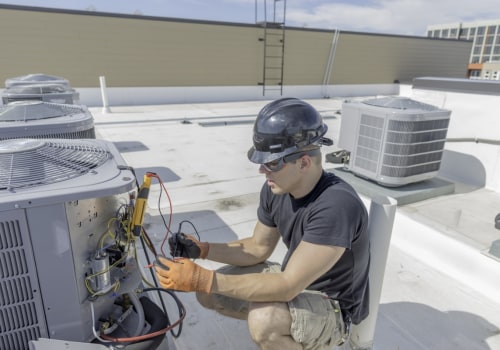
Maintaining an air conditioning system is not just about keeping your home cool; it’s about ensuring that the system operates efficiently and safely. This is where professional HVAC service comes into play. Engaging a qualified technician for regular maintenance can significantly enhance the longevity and performance of your air conditioning unit.One of the primary benefits of professional HVAC maintenance is the assurance that your system is running at peak efficiency.Technicians are trained to identify potential issues before they escalate into costly repairs. During a routine service, they will check various components, including the air filters, coils, and refrigerant levels, ensuring everything is functioning correctly. This proactive approach not only saves you money in the long run but also helps maintain a comfortable indoor environment.Another critical aspect of professional service is the proper handling and replacement of air filters. Many homeowners underestimate the importance of clean filters, which can lead to reduced airflow and increased energy consumption.
A technician can recommend the best type of filter for your system and ensure it is replaced regularly, which is essential for optimal performance.Knowing when to call an expert is equally important. If you notice any unusual noises, inconsistent temperatures, or increased energy bills, it’s time to reach out to a professional. These signs often indicate underlying issues that require immediate attention. Additionally, if your air conditioning unit has not been serviced in over a year, scheduling a maintenance check should be a priority.In summary, investing in professional HVAC service is crucial for maintaining your air conditioning system's efficiency and longevity.
Regular maintenance not only ensures that your unit operates smoothly but also contributes to better indoor air quality by ensuring that filters are properly managed. Don’t wait for a breakdown; make professional service a part of your home maintenance routine.
FAQs About Air Conditioning and Air Filters
When it comes to air conditioning systems and air filters, many homeowners have questions that can significantly impact their comfort and health. Here are some of the most frequently asked questions regarding air conditioning and air filters:- What is the purpose of an air filter in an air conditioning system?
The primary function of an air filter is to trap dust, dirt, allergens, and other particles from the air before it circulates through your HVAC system. This not only protects the internal components of the system but also improves indoor air quality. - How often should I replace my air filter?
It is generally recommended to check your air filter every month and replace it at least every three months.However, if you have pets, allergies, or live in a dusty area, you may need to change it more frequently.
- What happens if I run my air conditioner without a filter?
Operating your air conditioner without a filter can lead to a buildup of dirt and debris within the system, causing it to work harder and potentially leading to costly repairs. Additionally, it can degrade indoor air quality, posing health risks. - Can I use a reusable filter instead of disposable ones?
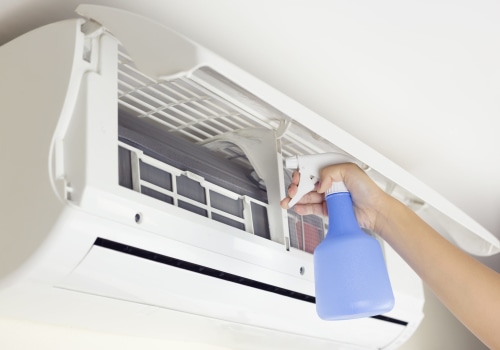
Yes, reusable filters can be a cost-effective option. However, they require regular cleaning and maintenance to ensure they function effectively. Always follow the manufacturer's instructions for cleaning. - What type of filter is best for my air conditioning system?
The best type of filter depends on your specific needs.HEPA filters are excellent for trapping small particles and allergens, while pleated filters offer a good balance between airflow and filtration efficiency. Consult with an HVAC professional to determine the best option for your home.
- How can I tell if my air filter needs to be changed?
A dirty or clogged filter will often appear discolored or covered in dust. Additionally, if you notice reduced airflow from your vents or increased energy bills, it may be time to replace your filter.
Conclusion: Prioritizing Air Filter Maintenance for a Healthy Home Environment
In conclusion, the significance of maintaining air filters in your air conditioning system cannot be overstated.As we have explored throughout this article, neglecting this crucial component can lead to a myriad of problems that extend beyond mere inconvenience. From escalating energy costs to potential health risks, the repercussions of running an air conditioner without a filter are both serious and far-reaching.First and foremost, the health implications associated with poor air quality are alarming. Without a functioning air filter, your HVAC system becomes a conduit for dust, allergens, and harmful particles, which can exacerbate respiratory issues and contribute to overall indoor air pollution. This is particularly concerning in homes with children, the elderly, or individuals with pre-existing health conditions.
By prioritizing regular filter maintenance, you not only enhance the efficiency of your system but also safeguard the well-being of your family.Moreover, the operational efficiency of your air conditioning unit is directly tied to the condition of its filters. A clean filter allows for optimal airflow, reducing strain on the system and preventing unnecessary wear and tear. This translates to lower energy bills and a longer lifespan for your equipment. Regularly scheduled air conditioning service can help ensure that filters are checked and replaced as needed, keeping your system running smoothly.To maintain a healthy home environment, consider implementing a routine maintenance schedule that includes:
- Monthly Filter Checks: Inspect filters monthly to determine if they need cleaning or replacement.
- Professional Inspections: Schedule annual professional maintenance to address any underlying issues.
- Educate Household Members: Ensure everyone understands the importance of clean air and how to maintain it.
By taking proactive steps to care for your HVAC system, you can enjoy cleaner air, lower energy costs, and peace of mind knowing that you are providing a safe environment for yourself and your loved ones.