Air filters are often overlooked components of air conditioning systems, yet they play a pivotal role in ensuring both the efficiency of the unit and the quality of the air we breathe indoors. When you think about air conditioning service , it’s easy to focus on the mechanical aspects—like refrigerant levels or compressor functionality—but neglecting the air filter can lead to significant issues that affect both your system's performance and your health.The primary function of an air filter is to trap dust, pollen, pet dander, and other airborne particles before they can enter the air conditioning system. This filtration process not only protects the internal components of your unit from damage but also helps maintain a clean and healthy environment within your home. A clean filter allows for optimal airflow, which is essential for efficient cooling.
Conversely, a clogged or missing filter can restrict airflow, forcing your system to work harder and potentially leading to costly repairs.Moreover, the importance of air filters extends beyond just protecting your HVAC system. They are crucial for maintaining indoor air quality, which has a direct impact on your health and well-being. Poor air quality can exacerbate allergies, respiratory issues, and other health problems. By ensuring that your air conditioning system is equipped with a high-quality filter, you are taking proactive steps to safeguard your family's health while also enhancing the overall efficiency of your cooling system.In summary, understanding the role of air filters in air conditioning systems is essential for any homeowner.
Not only do they serve as a barrier against harmful particles, but they also contribute significantly to the longevity and efficiency of your HVAC unit. As we delve deeper into the hidden dangers of running an air conditioner without a filter, it becomes clear that neglecting this small yet vital component can lead to serious consequences.
What Happens When You Run an AC Without a Filter?
Running an air conditioner without a filter can lead to a cascade of negative effects, both immediate and long-term. Understanding these consequences is crucial for homeowners who want to maintain their HVAC systems and ensure a healthy living environment.Immediate Consequences
- Increased Dust and Allergens: Without a filter, your AC unit cannot trap dust, pollen, pet dander, and other allergens. This results in these particles circulating freely in your home, potentially aggravating allergies and respiratory issues.
- Reduced Air Quality: The absence of a filter means that harmful contaminants can enter your indoor air.
This can lead to unpleasant odors and an overall decline in air quality, making your home less comfortable.
- System Overheating: An air conditioner relies on airflow to function efficiently. Without a filter, debris can accumulate on the evaporator coils and other components, causing the system to work harder. This increased workload can lead to overheating and potential system shutdowns.
Long-Term Consequences
- Damage to Internal Components: Over time, running your AC without a filter can cause significant damage to internal components. Dust and dirt can build up on the coils, reducing their ability to absorb heat.
This not only decreases efficiency but can also lead to costly repairs or even the need for a complete system replacement.
- Decreased Energy Efficiency: A dirty or absent filter forces your air conditioning system to work harder to maintain the desired temperature. This increased energy consumption translates into higher utility bills and a less efficient system overall.
- Shortened Lifespan: The cumulative effect of running an AC without a filter can drastically shorten its lifespan. Regular maintenance, including changing filters, is essential for prolonging the life of your HVAC system.
To protect both your health and your investment in an air conditioning service, always ensure that your system is equipped with a high-quality filter.
Health Risks Associated with Poor Air Quality
Running an air conditioner without a filter can significantly compromise the indoor air quality of your home, leading to a range of health risks that can affect you and your family. The primary function of an air filter is to trap harmful particles and pollutants, preventing them from circulating in your living space. Without this essential component, your air conditioning system becomes a conduit for various contaminants.When the air conditioner operates without a filter, it allows dust, pollen, pet dander, mold spores, and other allergens to enter the air. These pollutants can exacerbate existing health conditions and lead to new ones.Here are some potential health risks associated with poor indoor air quality:
- Respiratory Issues: Exposure to airborne pollutants can trigger asthma attacks and worsen chronic respiratory diseases. Individuals with pre-existing conditions may find their symptoms intensifying due to the influx of irritants.
- Allergic Reactions: Dust mites, mold, and pollen can cause allergic reactions in sensitive individuals. Symptoms may include sneezing, runny nose, itchy eyes, and skin rashes.
- Increased Risk of Infections: Poor air quality can weaken the immune system's ability to fight off infections. Bacteria and viruses thrive in environments with high levels of dust and moisture.
- Headaches and Fatigue: Prolonged exposure to contaminated air can lead to headaches, fatigue, and difficulty concentrating.
These symptoms are often linked to poor ventilation and high levels of indoor pollutants.
Financial Implications of Neglecting Air Filters
Neglecting to use an air filter in your air conditioning system can lead to significant financial repercussions that extend far beyond the initial cost of a replacement filter.Understanding these implications is crucial for homeowners who want to maintain both their budget and their comfort.One of the most immediate financial impacts of running an air conditioner without a filter is the potential for costly repairs. When your AC operates without a filter, it becomes susceptible to dirt and debris accumulation within its components. This buildup can lead to:
- Compressor Failure: The compressor is the heart of your air conditioning system. If it becomes clogged with dirt, it can overheat and fail, leading to repair costs that can range from $1,500 to $2,500 or more.
- Coil Damage: The evaporator and condenser coils are essential for heat exchange.
Without a filter, these coils can become dirty, reducing efficiency and potentially leading to replacement costs of $400 to $1,200.
- Fan Motor Issues: A dirty fan motor can lead to overheating and eventual failure, with repair costs averaging between $300 and $700.
- Your AC has to work harder to cool your home, leading to increased energy consumption.
- This inefficiency can result in energy bills that are 20% to 50% higher than normal.
However, if your system is frequently damaged due to neglecting filters, you may find yourself needing more frequent service calls, which can add up quickly.In conclusion, the financial implications of neglecting air filters in your air conditioning system are substantial. From unexpected repair costs to inflated energy bills and increased maintenance expenses, the decision to run an AC without a filter can lead to long-term financial strain. Investing in quality filters and adhering to a regular maintenance schedule is not just a matter of comfort; it's also a smart financial decision.
How Long Can You Run an AC Without a Filter?
Understanding how long you can safely run your air conditioner without a filter is crucial for maintaining both the efficiency of your HVAC system and the quality of air in your home. While it might be tempting to operate your AC without a filter for a short period, the risks associated with this practice can lead to significant problems.Industry Guidelines
According to HVAC industry standards, it is generally advised that an air conditioning unit should not run without a filter for more than 6 to 8 hours.
This time frame is considered the maximum limit before the potential for damage increases significantly. Beyond this duration, the absence of a filter can lead to:
- Increased Dust and Debris Accumulation: Without a filter, dust, dirt, and other particulates can enter the system, leading to clogs and reduced efficiency.
- Compressor Damage: The compressor is one of the most vital components of your AC. Running without a filter can cause it to overheat due to restricted airflow.
- Health Risks: Poor air quality can exacerbate allergies and respiratory issues as harmful particles circulate in your home.
Safe Duration for Running AC Without a Filter
If you find yourself in a situation where you must run your air conditioner without a filter, it’s essential to limit this duration as much as possible. Here are some guidelines:
- Immediate Replacement: If you notice that your filter is missing or damaged, replace it immediately.
Do not delay.
- Monitor Time: Keep track of how long your AC has been running without a filter. Aim to keep this under 6 hours if possible.
- Temporary Solutions: If you need to run the AC temporarily, consider using a portable air purifier in conjunction with your system to help mitigate air quality issues.
Signs Your Air Conditioner Needs Immediate Attention
Recognizing the signs that your air conditioning system requires immediate attention is crucial, especially if it has been operating without a filter.Ignoring these warning signs can lead to more severe issues and costly repairs down the line. Here are some key indicators that your AC may need professional air conditioning service.
- Unusual Noises: If your air conditioner starts making strange sounds such as grinding, squealing, or banging, it could indicate a mechanical issue. These noises often suggest that components are wearing out or that there is debris inside the unit.
- Weak Airflow: A noticeable decrease in airflow can be a sign of a clogged system or damaged components. If you find that the air coming from your vents is weak, it may be time to call an HVAC professional.
- Increased Energy Bills: If your energy bills have spiked unexpectedly, it could be due to your air conditioner working harder to compensate for inefficiencies caused by running without a filter.
This not only affects your wallet but also indicates that your system is under stress.
- Foul Odors: A musty or burning smell coming from your AC can signal mold growth or electrical issues. These odors should never be ignored, as they can pose health risks and indicate serious problems within the unit.
- Frequent Cycling: If your air conditioner frequently turns on and off, it may be struggling to maintain the desired temperature due to a lack of proper filtration. This can lead to wear and tear on the system.
- Humidity Issues: An air conditioner should effectively reduce humidity levels in your home. If you notice excessive moisture or condensation, it may indicate that your system is not functioning properly.
They can diagnose the problem and recommend necessary repairs or maintenance. Regular check-ups and timely interventions can extend the lifespan of your air conditioning system and ensure optimal performance.
Best Practices for Maintaining Your Air Conditioning System
Maintaining your air conditioning system is crucial for ensuring its longevity and efficiency. Regular maintenance not only helps in avoiding costly repairs but also enhances the air quality in your home. Here are some best practices to keep your air conditioning system running smoothly:- Regular Filter Replacement: One of the most important aspects of air conditioning maintenance is changing the filter regularly.
Depending on the type of filter and usage, it’s recommended to replace it every 1 to 3 months. If you have pets or live in a dusty area, consider changing it more frequently.
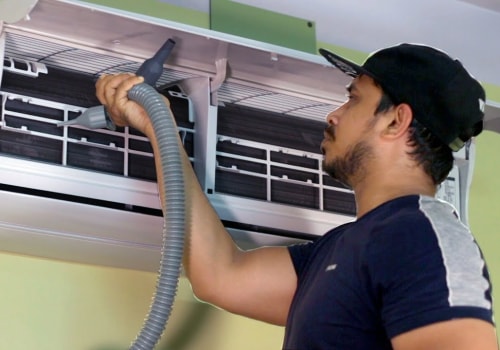
- Clean the Coils: The evaporator and condenser coils can accumulate dirt over time, which reduces their ability to absorb heat. Cleaning these coils at least once a year can significantly improve efficiency. You can use a soft brush or a vacuum with a brush attachment to gently clean them.
- Check the Drain Line: A clogged drain line can cause water damage and increase humidity levels in your home.
Regularly inspect the drain line for blockages and clear them as needed. You can use a wet/dry vacuum to remove any buildup.
- Inspect Ductwork: Leaky ducts can lead to significant energy loss and reduced efficiency. Inspect your ductwork for any signs of leaks or damage, and seal them with duct tape or mastic sealant as necessary.
- Schedule Professional Maintenance: While DIY maintenance is essential, scheduling a professional HVAC service at least once a year is equally important. A qualified technician can perform a thorough inspection, identify potential issues, and ensure that your system is operating at peak performance.
Seasonal Preparation:
Before the start of each cooling season, take some time to prepare your air conditioning system.
This includes checking the thermostat settings, ensuring that outdoor units are free from debris, and testing the system to confirm it’s functioning correctly.
Monitor System Performance:
Keep an eye on how your air conditioner performs throughout the season. If you notice unusual noises, reduced airflow, or increased energy bills, it may be time to consult an HVAC professional for further evaluation.By following these air conditioning maintenance tips, you can extend the life of your system and maintain a comfortable living environment while also ensuring that your air quality remains high.
Choosing the Right Air Filter for Your System
When it comes to maintaining your air conditioning system, selecting the right air filter is crucial for ensuring optimal performance and longevity. With a variety of options available, understanding the different types of air filters can help you make an informed decision that best suits your HVAC system.Types of Air Filters
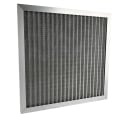
- Fiberglass Filters: These are the most basic type of air filters, designed to capture larger particles like dust and lint. While they are inexpensive, they offer minimal filtration efficiency and may not be suitable for households with allergy sufferers.
- Pleated Filters: Made from polyester or cotton, pleated filters have a larger surface area that allows them to trap smaller particles more effectively than fiberglass filters.
They are available in various MERV ratings, which indicate their efficiency in capturing airborne contaminants.
- HEPA Filters: High-Efficiency Particulate Air (HEPA) filters are known for their superior filtration capabilities. They can capture up to 99.97% of particles as small as 0.3 microns, making them ideal for homes with pets or individuals with allergies. However, they may require more frequent replacement and can restrict airflow if not properly matched to your system.
- Electrostatic Filters: These filters use static electricity to attract and capture particles. They are reusable and washable, making them a cost-effective option in the long run.
However, ensure that they are compatible with your HVAC system to avoid any airflow issues.
Best Filters for AC Units
The best filter for your air conditioning unit depends on several factors, including your specific needs and the type of system you have. For general use, pleated filters with a MERV rating between 8 and 12 provide a good balance between filtration efficiency and airflow. If you have specific health concerns or live in an area with high pollution levels, consider investing in HEPA filters or high-MERV pleated filters.Filter Compatibility with HVAC Systems
Before purchasing a new filter, it’s essential to check the compatibility with your HVAC system. Refer to your unit’s manual for specifications regarding size and type of filter required.Using an incompatible filter can lead to reduced efficiency, increased energy costs, and potential damage to your system.In conclusion, choosing the right air filter is vital for maintaining both the performance of your air conditioning system and the quality of air in your home. By understanding the different types of filters available and their respective benefits, you can make an informed choice that meets your household's needs.
Conclusion: The Importance of Air Filters in HVAC Systems
In summary, the significance of using air filters in HVAC systems cannot be overstated. These components are not merely optional accessories; they are essential for the optimal functioning of your air conditioning unit and the overall health of your indoor environment. By filtering out harmful particles, air filters play a crucial role in maintaining clean air quality, which is vital for the well-being of you and your family.When an air conditioner operates without a filter, it exposes itself to a myriad of risks.The absence of a filter allows dust, dirt, and other contaminants to infiltrate the system, leading to potential damage that can result in costly repairs. Moreover, the efficiency of your HVAC system diminishes significantly without a filter, causing it to work harder and consume more energy. This not only increases your utility bills but also shortens the lifespan of your unit.Furthermore, the health implications of running an air conditioner without a filter are alarming. Poor indoor air quality can exacerbate respiratory issues, allergies, and other health problems.
By ensuring that your air conditioning system is equipped with a high-quality filter, you are taking proactive steps to safeguard your family's health.To maintain both system efficiency and indoor air quality, it is advisable to:
- Regularly check and replace filters: Depending on usage and environmental factors, filters should be replaced every 1-3 months.
- Choose the right filter: Select filters that are compatible with your HVAC system and designed to capture specific pollutants.
- Schedule routine maintenance: Engage an HVAC professional for regular inspections and servicing to ensure your system operates at peak performance.