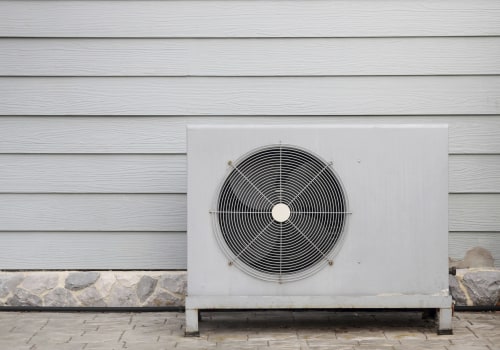
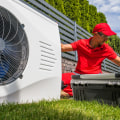
Understanding how HVAC systems operate is essential for homeowners who want to maintain a comfortable living environment. HVAC stands for Heating, Ventilation, and Air Conditioning, and it encompasses a range of technologies designed to regulate indoor temperature, humidity, and air quality. These systems are not just about keeping your home warm in the winter or cool in the summer; they also play a crucial role in ensuring that the air you breathe is clean and healthy.At the heart of any HVAC system are its key components: the furnace or heat pump for heating, the air conditioner for cooling, and the ventilation system that circulates air throughout your home. The furnace heats air that is then distributed via ducts, while the air conditioner cools the air before it is circulated back into your living spaces.
The ventilation system ensures that fresh air enters your home while expelling stale air, which is vital for maintaining good indoor air quality.Understanding these components helps homeowners appreciate why regular air conditioning service and maintenance are so important. Each part of the HVAC system must work in harmony to achieve optimal performance. For instance, if one component is malfunctioning or dirty, it can lead to inefficiencies that not only affect comfort levels but also increase energy costs. Regular tune-ups and maintenance checks can identify these issues early on, ensuring that your HVAC system operates smoothly and efficiently.Moreover, knowing how your HVAC system works allows you to recognize signs of potential problems.
Unusual noises, inconsistent temperatures, or increased energy bills can all indicate that something is amiss. By being proactive and scheduling regular maintenance, you can extend the lifespan of your system and avoid costly repairs down the line. In essence, a well-maintained HVAC system not only enhances comfort but also contributes to a healthier home environment.
What Are HVAC Tune-Ups?
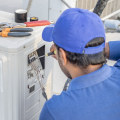
HVAC tune-ups are essential procedures designed to ensure that your heating, ventilation, and air conditioning systems operate at peak efficiency. These tune-ups typically occur twice a year, ideally in the spring and fall, to prepare your system for the upcoming seasonal demands.By scheduling regular air conditioning service , homeowners can significantly enhance the performance and longevity of their HVAC systems.During an HVAC tune-up, a qualified technician performs a comprehensive inspection and maintenance of your system. This process includes several critical tasks:
- Thermostat Calibration: The technician checks the thermostat settings to ensure accurate temperature control, which is vital for maintaining comfort and energy efficiency.
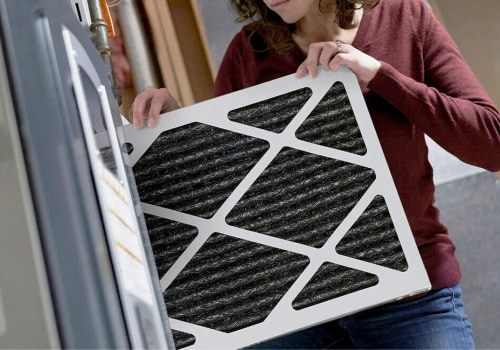
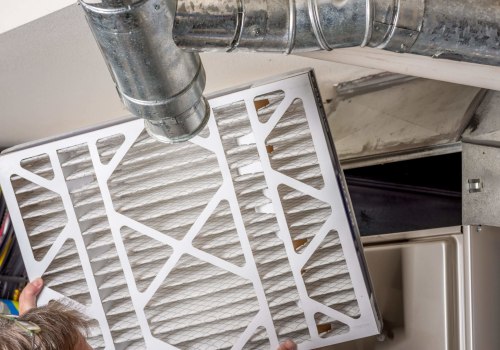
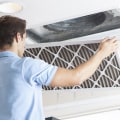
- Filter Replacement: Clogged or dirty air filters can restrict airflow and reduce efficiency. During a tune-up, filters are either cleaned or replaced to promote better air quality and system performance.
- Coil Cleaning: The evaporator and condenser coils are cleaned to remove dirt and debris that can hinder heat exchange, leading to increased energy consumption.
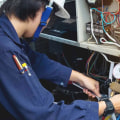
- Electrical Component Inspection: All electrical connections are examined for signs of wear or damage. Loose connections can lead to system failures or even safety hazards.
- Refrigerant Level Check: The technician assesses the refrigerant levels to ensure they are within the manufacturer’s specifications.
Low refrigerant can indicate leaks that need immediate attention.
- Lubrication of Moving Parts: Components such as motors and fans are lubricated to minimize friction, which helps prevent wear and tear over time.
By investing in regular air conditioning service, you can enjoy improved comfort, reduced energy costs, and peace of mind knowing that your system is operating safely and efficiently.
The Role of Preventive Maintenance in HVAC Systems
Preventive maintenance is a critical aspect of ensuring the longevity and efficiency of your HVAC system. Unlike seasonal tune-ups, which are typically performed twice a year to prepare your system for the changing seasons, preventive maintenance involves a more comprehensive approach that focuses on regular inspections and servicing throughout the year.During a preventive maintenance visit, an HVAC technician will conduct a thorough examination of your system. This includes:Preventive maintenance is a critical aspect of ensuring the longevity and efficiency of your HVAC system. Unlike seasonal tune-ups, which are typically performed twice a year to prepare your system for the changing seasons, preventive maintenance involves a more comprehensive approach that focuses on regular inspections and servicing throughout the year.During a preventive maintenance visit, an HVAC technician will conduct a thorough examination of your system. This includes:- Inspecting Components: Technicians will check essential components such as the compressor, evaporator coils, and condenser coils for any signs of wear or damage.
- Cleaning Parts: Dust and debris can accumulate in various parts of your HVAC system, leading to inefficiencies. Regular cleaning of filters, coils, and ducts helps maintain optimal airflow and performance.
- Checking Refrigerant Levels: Low refrigerant levels can indicate leaks or other issues.
Ensuring proper refrigerant levels is vital for efficient cooling and heating.
- Testing Electrical Connections: Loose or corroded electrical connections can lead to system failures. Technicians will tighten connections and check for any signs of electrical issues.
- Lubricating Moving Parts: Proper lubrication reduces friction and wear on moving parts, extending the life of your HVAC system.
A well-maintained HVAC system filters out dust, allergens, and pollutants more effectively, contributing to a healthier living environment for you and your family.In summary, while seasonal tune-ups prepare your HVAC system for the upcoming weather changes, preventive maintenance ensures that it operates smoothly throughout the year. By investing in regular air conditioning service through preventive maintenance, you not only extend the lifespan of your system but also enjoy enhanced comfort and efficiency in your home.
Benefits of Regular HVAC Tune-Ups and Maintenance
Regular HVAC tune-ups and maintenance offer a multitude of benefits that can significantly enhance the performance and longevity of your heating and cooling systems. Understanding these advantages can help homeowners appreciate the value of investing in air conditioning service and routine upkeep.Improved Energy Efficiency
One of the most compelling reasons to schedule regular HVAC maintenance is the improvement in energy efficiency. A well-maintained system operates more smoothly, consuming less energy to achieve the desired temperature.
During a tune-up, technicians clean essential components, such as coils and filters, which can become clogged over time. This cleaning process allows for better airflow and reduces the workload on your system, leading to lower energy bills.
Cost Savings on Repairs
Another significant benefit of regular maintenance is the potential for cost savings on repairs. By identifying and addressing minor issues during routine inspections, homeowners can prevent these problems from escalating into major repairs that are often costly. For instance, a small refrigerant leak detected during a tune-up can be fixed before it leads to compressor failure, which is a much more expensive repair.
Enhanced Indoor Air Quality
The quality of air circulating in your home is crucial for your health and comfort.
Regular HVAC maintenance helps ensure that your system is not only functioning efficiently but also providing clean air. Clogged filters and dirty ducts can circulate dust, allergens, and other pollutants throughout your living space. By keeping your system clean, you can significantly improve indoor air quality, reducing allergy symptoms and respiratory issues.
Extended System Lifespan
Investing in regular HVAC tune-ups can also extend the lifespan of your system. Just like any other mechanical system, HVAC units require care to function optimally over time.
Routine maintenance helps identify wear and tear early on, allowing for timely repairs that can prolong the life of your equipment. A well-maintained HVAC system can last significantly longer than one that is neglected, providing better value for your investment.
Conclusion
In summary, the benefits of regular HVAC tune-ups and maintenance are clear: improved energy efficiency, cost savings on repairs, enhanced indoor air quality, and an extended lifespan for your system. By prioritizing air conditioning service, homeowners can enjoy a comfortable living environment while minimizing long-term costs associated with their heating and cooling systems.
Signs Your HVAC System Needs a Tune-Up or Maintenance
Recognizing the signs that your HVAC system needs a tune-up or maintenance is crucial for maintaining its efficiency and longevity. Ignoring these indicators can lead to more significant issues down the line, resulting in costly repairs and discomfort in your home.Here are some common signs that suggest it’s time to schedule an air conditioning service.
- Unusual Noises: If your HVAC system starts making strange sounds such as grinding, squealing, or banging, it’s a clear indication that something is wrong. These noises can signal loose or damaged components that require immediate attention.
- Inconsistent Temperatures: Are some rooms in your home significantly warmer or cooler than others? This inconsistency may indicate that your HVAC system is struggling to distribute air evenly, which could be due to clogged ducts or a failing thermostat.
- Increased Energy Bills: A sudden spike in your energy bills without a corresponding increase in usage can be a sign that your HVAC system is working harder than it should. This inefficiency often results from neglected maintenance and can be addressed with a professional tune-up.
- Frequent Cycling: If your HVAC system turns on and off more frequently than usual, it may be short cycling. This can lead to increased wear and tear on the system and is often caused by issues such as a dirty air filter or an improperly sized unit.
- Poor Air Quality: If you notice an increase in dust, allergens, or unpleasant odors circulating in your home, it may be time for maintenance.
A well-maintained HVAC system should effectively filter out pollutants, ensuring clean air quality.
- Humidity Issues: An HVAC system should help regulate humidity levels in your home. If you find that your home feels excessively humid or dry, it could indicate that the system is not functioning properly and requires servicing.
How Often Should You Schedule HVAC Tune-Ups and Maintenance?
Understanding the optimal timing for HVAC tune-ups and maintenance is essential for ensuring your system operates efficiently and effectively.Homeowners often wonder how frequently they should schedule these services to maintain peak performance and avoid unexpected breakdowns.
Seasonal Tune-Ups
- It is generally recommended to schedule seasonal tune-ups twice a year: once in the spring and once in the fall. This timing allows your HVAC system to be thoroughly prepared for the upcoming heating or cooling season.
- In spring, a tune-up focuses on preparing your air conditioning system for the hot summer months. This includes checking refrigerant levels, cleaning coils, and ensuring that all components are functioning optimally.
- In fall, the focus shifts to your heating system, ensuring it is ready to handle the colder temperatures. This may involve inspecting the furnace, checking for gas leaks, and cleaning filters.
Preventive Maintenance
- While seasonal tune-ups are crucial, preventive maintenance should also be scheduled regularly throughout the year.
Ideally, homeowners should aim for a maintenance check at least once every three months.
- This regular maintenance can include tasks such as changing air filters, cleaning ducts, and checking thermostat settings. These actions help maintain air quality and system efficiency.
- By adhering to a preventive maintenance schedule, you can catch minor issues before they escalate into costly repairs or system failures.
Considerations for Scheduling
- The specific timing of your HVAC services may also depend on your local climate. For instance, if you live in an area with extreme temperatures, more frequent checks may be necessary.
- Additionally, consider your system's age and usage patterns. Older systems or those that run continuously may require more frequent attention than newer models.
- Finally, always consult with a qualified HVAC technician who can provide personalized recommendations based on your system's condition and your home’s specific needs.
DIY vs.
Professional HVAC Maintenance: What You Need to KnowWhen it comes to maintaining your HVAC system, homeowners often face a choice between DIY maintenance and hiring a professional service. Each option has its own set of advantages and disadvantages, and understanding these can help you make an informed decision about the best approach for your air conditioning system.
Pros and Cons of DIY HVAC Maintenance
Many homeowners are tempted to take on DIY HVAC maintenance tasks to save money and gain a sense of accomplishment. Here are some common DIY tasks and their pros and cons:- Changing Air Filters: This is one of the simplest tasks that homeowners can perform. Regularly changing or cleaning air filters can improve air quality and system efficiency.
However, neglecting this task can lead to reduced airflow and increased energy costs.
- Cleaning Vents and Registers: Dust and debris can accumulate in vents, affecting airflow. Homeowners can easily clean these areas with a vacuum or damp cloth. Yet, if not done regularly, this can lead to blockages that require professional intervention.
- Checking Thermostat Settings: Ensuring that your thermostat is functioning correctly is crucial for energy efficiency. Homeowners can easily adjust settings or replace batteries.
However, if the thermostat is malfunctioning, it may require professional diagnosis.
- Complex Repairs: Issues like refrigerant leaks or electrical problems should always be handled by professionals due to safety concerns and the technical expertise required.
- System Inspections: A thorough inspection of your HVAC system involves checking components like the compressor, evaporator coils, and ductwork. Professionals have the tools and knowledge to identify potential issues that an untrained eye might miss.
The Benefits of Professional HVAC Services
Hiring a professional for your air conditioning service offers numerous benefits that can outweigh the cost:- Expertise: Professionals have extensive training and experience in diagnosing and repairing HVAC systems. They can quickly identify issues that may not be apparent to homeowners.
- Comprehensive Maintenance: A professional service typically includes a detailed inspection, cleaning, and necessary adjustments that go beyond basic DIY tasks.
- Safety: HVAC systems involve electrical components and refrigerants that can be hazardous if mishandled. Professionals are trained to handle these safely.
- Warranty Protection: Many manufacturers require regular professional maintenance to keep warranties valid.
Skipping this could lead to costly repairs down the line.
Choosing the Right HVAC Service Provider
Choosing the right HVAC service provider is crucial for ensuring that your heating and cooling systems operate efficiently and reliably. With so many options available, it can be overwhelming to find a trustworthy air conditioning service company. Here are some essential tips to help you make an informed decision.Check Credentials and Certifications
Start by verifying the credentials of potential HVAC service providers.Look for companies that are licensed and insured, as this protects you from liability in case of accidents during service. Additionally, check if the technicians hold certifications from recognized organizations such as the North American Technician Excellence (NATE) or the Air Conditioning Contractors of America (ACCA). These certifications indicate that the technicians have undergone rigorous training and adhere to industry standards.
Experience Matters
Experience plays a significant role in the quality of service you can expect. Companies with several years in the industry are likely to have encountered a wide range of issues and can provide effective solutions.Ask about their experience with your specific type of HVAC system, whether it’s a central air conditioning unit, heat pump, or furnace.
Read Customer Reviews
Customer reviews can provide valuable insights into the reliability and quality of service offered by an HVAC provider. Check online platforms such as Google, Yelp, or Angie's List for reviews and ratings. Pay attention to recurring themes in customer feedback, such as punctuality, professionalism, and overall satisfaction. A company with consistently positive reviews is more likely to deliver excellent service.Evaluate Service Offerings
Different HVAC companies may specialize in various services.Some may focus solely on installation, while others offer comprehensive maintenance and repair services. Ensure that the provider you choose offers a full range of services, including:
- Tune-ups: Regular maintenance checks to keep your system running efficiently.
- Emergency repairs: Availability for urgent issues that require immediate attention.
- Installation: Expertise in installing new systems or replacing old ones.
- Energy efficiency assessments: Evaluating your system's performance and suggesting improvements.
Get Multiple Quotes
Before making a final decision, obtain quotes from several HVAC service providers. This will give you a better understanding of the market rates and help you identify any outliers. However, don’t choose solely based on price; consider the value offered in terms of service quality and customer support.By following these tips, you can confidently select an HVAC service provider that meets your needs and ensures your home remains comfortable year-round.Frequently Asked Questions About HVAC Tune-Ups and Maintenance
When it comes to HVAC tune-ups and maintenance, many homeowners have questions.Understanding the ins and outs of air conditioning service can help you make informed decisions about your system. Here are some frequently asked questions that can clarify common concerns.
What is the difference between a tune-up and maintenance?
A tune-up typically refers to a seasonal service performed by a professional technician, focusing on preparing your HVAC system for the upcoming season. This includes cleaning, inspecting, and making necessary adjustments. In contrast, maintenance encompasses ongoing care throughout the year, which may involve regular checks and minor repairs to ensure optimal performance.How often should I schedule HVAC tune-ups?
It is generally recommended to schedule HVAC tune-ups twice a year—once in the spring for your air conditioning system and once in the fall for your heating system.This ensures that your units are ready for the demands of each season.
Can I perform HVAC maintenance myself?
While some basic tasks can be done by homeowners, such as changing air filters or cleaning vents, it is advisable to leave comprehensive maintenance to professionals. HVAC systems are complex, and improper handling can lead to more significant issues or safety hazards.What are the signs that my HVAC system needs a tune-up?
- Increased energy bills: If you notice a spike in your energy costs without a change in usage, it may indicate that your system is not operating efficiently.
- Unusual noises: Sounds like grinding, squealing, or banging can signal mechanical issues that need immediate attention.
- Ineffective heating or cooling: If certain rooms are not reaching the desired temperature, it could be a sign of airflow problems or other underlying issues.
How does regular maintenance improve air quality?
A well-maintained HVAC system helps improve indoor air quality by reducing dust, allergens, and pollutants circulating in your home. Regular cleaning of filters and components ensures that your system operates efficiently and provides clean air.What should I expect during an HVAC tune-up?
During a typical air conditioning service, you can expect the technician to perform several tasks:- Inspecting and cleaning coils
- Checking refrigerant levels
- Testing electrical connections
- Lubricating moving parts
- Calibrating thermostats
Conclusion: The Value of Regular HVAC Tune-Ups and Maintenance
In conclusion, the significance of regular HVAC tune-ups and maintenance cannot be overstated. Homeowners who prioritize these essential services are not only investing in the longevity of their heating and cooling systems but also ensuring a comfortable and healthy living environment.Throughout this article, we have explored the distinct roles that seasonal tune-ups and preventive maintenance play in the overall performance of HVAC systems.Seasonal tune-ups, conducted twice a year, prepare your system for the demands of changing weather conditions. By identifying potential issues before they escalate, these tune-ups can save homeowners from unexpected breakdowns during extreme temperatures.Preventive maintenance, on the other hand, is a proactive approach that involves regular inspections and cleanings. This routine care helps to maintain optimal efficiency, which translates to lower energy bills and improved air quality. A well-maintained HVAC system operates more effectively, reducing wear and tear on components and extending its lifespan.Moreover, neglecting regular HVAC services can lead to a host of problems, including:
- Increased Energy Costs: An inefficient system consumes more energy, leading to higher utility bills.
- Frequent Repairs: Minor issues can develop into major problems without timely intervention, resulting in costly repairs.
- Poor Indoor Air Quality: A dirty or malfunctioning system can circulate allergens and pollutants, affecting your family's health.
By doing so, you not only enhance the performance of your heating and cooling systems but also contribute to a safer and more comfortable home environment.Ultimately, investing in regular air conditioning service is an investment in peace of mind. Homeowners who take these steps will enjoy reliable comfort year-round while minimizing unexpected expenses associated with HVAC failures. Make it a priority to schedule your next tune-up or maintenance check today!.