Air conditioning systems are essential for maintaining a comfortable indoor environment, especially during the sweltering summer months. Understanding how these systems operate and the various types available can significantly enhance your appreciation for their role in modern living. At their core, air conditioners work by removing heat and humidity from the air inside your home, thereby providing a cooler and more pleasant atmosphere. This process involves several key components, including the compressor, condenser, evaporator, and expansion valve, all of which work in harmony to regulate temperature and humidity levels.There are several types of air conditioning systems available on the market today, each designed to meet different needs and preferences.
The most common types include:
- Central Air Conditioning: This system uses a network of ducts to distribute cooled air throughout your home. It is ideal for larger spaces and offers consistent cooling.
- Window Units: These compact units are designed to cool individual rooms. They are easy to install and are a cost-effective solution for smaller spaces.
- Split Systems: Comprising an outdoor compressor and an indoor unit, split systems provide efficient cooling without the need for ductwork. They are versatile and can be used in various settings.
- Portable Air Conditioners: These units can be moved from room to room, making them a flexible option for temporary cooling needs.
Neglecting maintenance can lead to decreased efficiency, higher energy bills, and even premature system failure. By understanding the fundamentals of air conditioning systems and their maintenance requirements, homeowners can make informed decisions that enhance comfort while prolonging the lifespan of their units.
Why Regular Air Conditioning Service is Crucial
Regular air conditioning service is not just a recommendation; it is a necessity for homeowners who wish to maintain a comfortable living environment while also ensuring the longevity of their HVAC systems. The importance of routine maintenance cannot be overstated, as it directly impacts the efficiency, performance, and overall health of your air conditioning unit.One of the primary benefits of regular maintenance is improved energy efficiency. Over time, dust and debris can accumulate in your air conditioning system, leading to blockages that force the unit to work harder to cool your home.This increased workload not only raises your energy bills but also places unnecessary strain on the system. By scheduling routine maintenance, you can ensure that your air conditioner operates at peak efficiency, which translates to lower energy costs and a reduced carbon footprint.In addition to energy savings, regular air conditioning service can lead to significant cost savings in the long run. While some homeowners may view maintenance as an added expense, it is essential to consider the potential costs associated with neglecting this crucial step. A well-maintained air conditioning unit is less likely to experience major breakdowns or require costly repairs.
In fact, studies have shown that regular maintenance can reduce the likelihood of emergency repairs by up to 75%. This proactive approach not only saves money but also provides peace of mind.Furthermore, neglecting maintenance can have dire consequences for your air conditioning system. Without regular check-ups, small issues can escalate into major problems that may require complete system replacements. For instance, a minor refrigerant leak can lead to compressor failure if not addressed promptly.
Additionally, poor maintenance can result in decreased indoor air quality due to the buildup of mold and allergens within the system. This can pose health risks for you and your family, particularly for those with respiratory issues.Lastly, regular service extends the lifespan of your air conditioning unit. Most manufacturers recommend annual maintenance checks to keep warranties valid and ensure optimal performance. By investing in routine service, you are effectively prolonging the life of your system, allowing you to enjoy its benefits for many years without the need for premature replacement.In summary, the importance of regular air conditioning service cannot be overlooked.
From enhancing energy efficiency and saving costs to preventing major repairs and improving indoor air quality, routine maintenance is essential for any homeowner looking to protect their investment and ensure a comfortable living space.
Key Benefits of Regular Maintenance
Regular air conditioning maintenance offers a multitude of benefits that extend beyond mere functionality. Understanding these advantages can help homeowners appreciate the value of investing in air conditioning service on a consistent basis.Enhanced Energy Efficiency
One of the most significant benefits of regular maintenance is improved energy efficiency. Over time, dust and debris can accumulate in your air conditioning unit, leading to reduced airflow and increased strain on the system. This inefficiency not only raises your energy bills but also shortens the lifespan of your unit.During a maintenance check, HVAC professionals clean essential components such as the coils and filters, ensuring that your system operates at peak efficiency. As a result, you can enjoy lower energy costs while contributing to a more sustainable environment.
Improved Indoor Air Quality
The quality of the air inside your home is crucial for your health and comfort. Regular maintenance helps to ensure that your air conditioning system is not only cooling your space but also filtering out pollutants and allergens. Clogged filters can harbor dust, mold, and other harmful particles, which can circulate throughout your home.By scheduling routine air conditioning service, you can keep filters clean and replace them as needed, significantly improving indoor air quality. This is especially important for individuals with allergies or respiratory issues.
Reduced Repair Costs
Another compelling reason to prioritize regular maintenance is the potential for reduced repair costs. Many HVAC issues start small but can escalate into major problems if left unaddressed. Routine inspections allow technicians to identify and resolve minor issues before they develop into costly repairs or even complete system failures.By investing in regular maintenance, you not only save money in the long run but also extend the life of your air conditioning unit.In summary, the benefits of regular air conditioning maintenance are clear: enhanced energy efficiency, improved indoor air quality, and reduced repair costs all contribute to a more comfortable and cost-effective home environment. By prioritizing air conditioning service, you ensure that your system remains reliable and efficient for years to come.
Signs Your Air Conditioner Needs Maintenance
Recognizing the signs that your air conditioning unit needs maintenance is essential for ensuring its efficiency and longevity. Ignoring these indicators can lead to more severe problems, increased energy costs, and even complete system failure. Here are some common signs that suggest it’s time to schedule an air conditioning service.- Unusual Noises: If your air conditioner starts making strange sounds such as grinding, squealing, or banging, it could indicate a mechanical issue.
These noises often signal that components are wearing out or that there is a blockage in the system.
- Weak Airflow: If you notice that the airflow from your vents is weak or inconsistent, it may be a sign of a clogged filter or ductwork issues. This can significantly reduce the efficiency of your unit and lead to higher energy bills.
- Increased Energy Bills: A sudden spike in your energy costs can indicate that your air conditioner is working harder than it should. This inefficiency may stem from a lack of maintenance, such as dirty coils or filters that need replacing.
- Frequent Cycling: If your air conditioner turns on and off more frequently than usual, it may be struggling to maintain the desired temperature. This could be due to an oversized unit, thermostat issues, or other underlying problems.
- Bad Odors: Foul smells coming from your AC can indicate mold growth or electrical issues.
If you detect any unpleasant odors, it’s crucial to have your system inspected immediately.
- Humidity Issues: An effective air conditioning system should help regulate humidity levels in your home. If you find that your space feels muggy or damp, it may be time for a professional check-up.
What Does Regular Air Conditioning Service Involve?
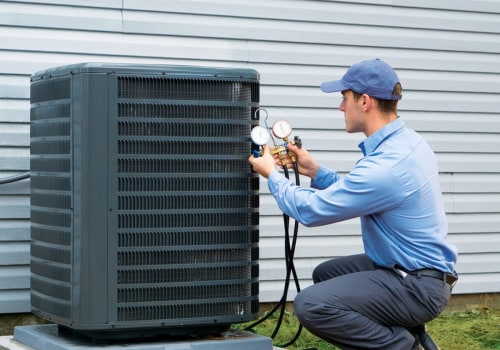
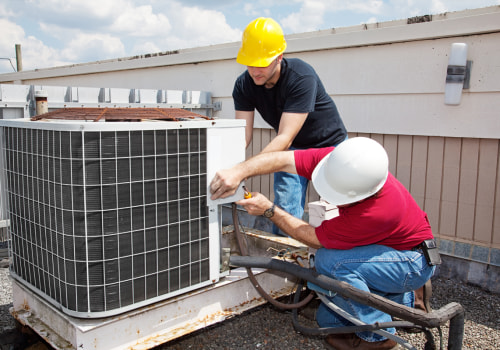
Understanding what air conditioning service entails is essential for homeowners who want to ensure their systems operate efficiently and effectively.A typical maintenance appointment involves several key procedures that not only enhance performance but also extend the lifespan of your unit.
Air Conditioning Service Checklist
- Inspection of Components: Technicians will begin by examining critical components such as the compressor, evaporator coil, and condenser. This inspection helps identify any signs of wear or damage that could lead to future issues.
- Cleaning the Coils: Dirty coils can significantly reduce efficiency. During service, the technician will clean both the evaporator and condenser coils to ensure optimal heat exchange.
- Checking Refrigerant Levels: Proper refrigerant levels are crucial for cooling efficiency. The technician will check for leaks and ensure that the refrigerant is at the recommended level.
- Testing Electrical Components: The electrical connections, including capacitors and contactors, will be tested for functionality.
Loose or corroded connections can lead to system failures.
- Inspecting Ductwork: If applicable, the technician may inspect ductwork for leaks or blockages that could hinder airflow and reduce efficiency.
- Thermostat Calibration: Ensuring that your thermostat is functioning correctly is vital for maintaining desired temperatures. The technician will calibrate it as necessary.
What to Expect During Maintenance
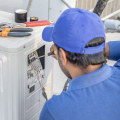
During an air conditioning service appointment, homeowners can expect a thorough evaluation of their system. Technicians typically arrive equipped with specialized tools and cleaning supplies. They will explain each step of the process, ensuring you understand what they are doing and why it matters.The entire service usually takes between one to two hours, depending on the complexity of your system and any issues that may arise during inspection.After completing the maintenance tasks, technicians often provide a detailed report outlining their findings and any recommendations for repairs or further action.
HVAC Service Procedures
The procedures followed during an air conditioning service appointment are designed to prevent breakdowns and enhance efficiency. Regular maintenance not only helps in identifying potential problems early but also ensures that your system runs at peak performance when you need it most—especially during those hot summer months.By adhering to a regular maintenance schedule, you can enjoy peace of mind knowing that your air conditioning unit is in good hands. This proactive approach not only saves you money on costly repairs but also contributes to a more comfortable living environment.How Often Should You Schedule Air Conditioning Service?
Understanding how often to schedule air conditioning service is essential for maintaining the efficiency and longevity of your cooling system. The frequency of maintenance can vary based on several factors, including the type of air conditioning unit you have, how often it is used, and the environmental conditions in your area.As a general guideline, it is recommended to have your air conditioner serviced at least once a year.This annual check-up should ideally occur in the spring, just before the peak cooling season begins. Scheduling maintenance at this time allows HVAC professionals to identify and address any potential issues before they escalate into costly repairs or system failures during the hot summer months.For those who use their air conditioning systems more frequently, such as in warmer climates or for extended periods, biannual maintenance may be advisable. This means scheduling a service in both the spring and fall. The fall service can help prepare your unit for the winter months, ensuring that it remains in good condition and ready for use when temperatures rise again.
Factors Influencing Maintenance Frequency
- Usage: If you run your air conditioner continuously or for long hours each day, more frequent servicing is necessary to keep it operating efficiently.
- Environmental Conditions: Areas with high dust, pollen, or humidity levels may require more regular maintenance due to increased wear and tear on the system.
- Type of System: Central air conditioning systems may have different maintenance needs compared to window units or ductless mini-splits.
Before the cooling season starts, inspect your air filters and replace them if they are dirty or clogged. Clean filters improve airflow and efficiency, which can significantly reduce energy costs.Furthermore, ensure that the outdoor unit is free from debris such as leaves, dirt, and grass clippings. A clear space around the unit allows for proper airflow and helps prevent overheating.In summary, regular air conditioning service is vital for optimal performance. By adhering to a maintenance schedule tailored to your specific usage and environmental conditions, you can enhance your system's efficiency, extend its lifespan, and ensure a comfortable indoor environment throughout the year.
DIY Maintenance Tips for Homeowners
Maintaining your air conditioning unit doesn’t always require a professional technician.Homeowners can take several simple steps to ensure their systems run efficiently and effectively. Here are some DIY air conditioning maintenance tips that can help you keep your unit in top shape:
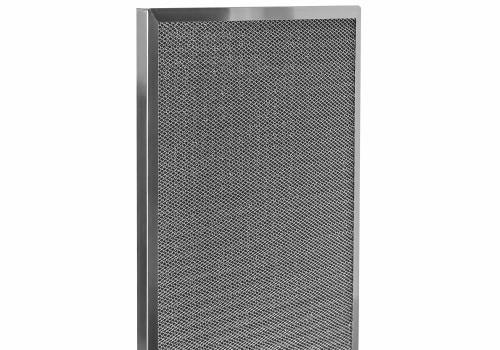
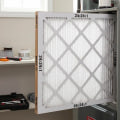
- Regularly Replace or Clean Filters: One of the easiest and most impactful maintenance tasks is to check and replace or clean your air filters. Clogged filters restrict airflow, making your system work harder and less efficiently. Aim to check your filters every month, especially during peak usage seasons, and replace or clean them as needed.
- Keep the Outdoor Unit Clear: Ensure that the area around your outdoor condenser unit is free from debris such as leaves, dirt, and grass clippings.
A clear space allows for proper airflow, which is essential for efficient operation. Trim any nearby shrubs or plants to maintain at least two feet of clearance around the unit.
- Inspect the Drain Line: A clogged drain line can lead to water damage and increased humidity levels in your home. Check the drain line regularly for blockages. You can use a wet/dry vacuum to clear any obstructions or flush it with a mixture of vinegar and water to keep it clean.
- Check Thermostat Settings: Ensure that your thermostat is functioning correctly and set to an appropriate temperature.
Consider upgrading to a programmable thermostat for better energy efficiency and convenience.
- Clean the Coils: The evaporator and condenser coils can accumulate dirt over time, which reduces their ability to absorb heat. Gently clean these coils with a soft brush or cloth, being careful not to damage any components.
- Inspect Ductwork: Look for any visible signs of wear or damage in your ductwork. Sealing leaks with duct tape or mastic can improve efficiency by ensuring that cool air reaches its intended destination without escaping.
Scheduling regular inspections with an HVAC expert will ensure that any potential issues are addressed before they become major problems.
Choosing the Right HVAC Professional for Maintenance
When it comes to maintaining your air conditioning system, selecting the right HVAC professional is paramount. A qualified technician can ensure that your unit operates efficiently and lasts longer, while a less experienced one may overlook critical issues, leading to costly repairs down the line. Here are some essential tips for finding a reliable AC technician.Researching HVAC Service Providers
Start by gathering a list of potential HVAC service providers in your area. You can do this through:- Online Reviews: Websites like Yelp, Google Reviews, and Angie's List can provide insights into customer experiences.
- Referrals: Ask friends, family, or neighbors for recommendations based on their own experiences.
- Local Directories: Check local business directories or the Better Business Bureau for accredited companies.
Evaluating Qualifications and Experience
Once you have a shortlist, evaluate each provider's qualifications:- Licensing and Insurance: Ensure the technician is licensed to operate in your state and carries liability insurance to protect you from any damages during service.
- Experience: Inquire about how long they have been in business and their experience with your specific type of air conditioning system.
- Certifications: Look for certifications from recognized organizations like NATE (North American Technician Excellence) or ACCA (Air Conditioning Contractors of America).
Questions to Ask Potential Technicians
Before making a decision, consider asking the following questions:- What services do you offer? Ensure they provide comprehensive maintenance services tailored to your needs.
- Can you provide references? A reputable technician should be able to share testimonials from satisfied customers.
- What is your maintenance plan? Inquire about their approach to regular maintenance and whether they offer service contracts.
- How do you handle emergencies? Understanding their response time for urgent issues can be crucial during peak seasons.
By conducting thorough research and asking the right questions, you can find a technician who will provide quality service and peace of mind.
Frequently Asked Questions About Air Conditioning Service
When it comes to air conditioning service, many homeowners have questions that arise from concerns about efficiency, costs, and maintenance practices. Below are some of the most frequently asked questions regarding air conditioning service, along with detailed answers to help clarify common misconceptions.1.How often should I schedule air conditioning maintenance?
It is generally recommended to have your air conditioning system serviced at least once a year, ideally in the spring before the cooling season begins. This annual maintenance helps ensure that your system is operating efficiently and can prevent unexpected breakdowns during peak usage times.2.What does an air conditioning service include?
A comprehensive air conditioning service typically includes:- Inspection of the entire system for any signs of wear or damage.
- Cleaning or replacing air filters to improve airflow and efficiency.
- Checking refrigerant levels and recharging if necessary.
- Inspecting electrical components and connections for safety.
- Testing the thermostat for accurate temperature control.
- Cleaning the condenser and evaporator coils to enhance heat exchange.
3.What are the signs that my AC needs maintenance?
There are several indicators that your air conditioning unit may require maintenance:- Unusual noises: If you hear grinding, squealing, or banging sounds, it could indicate a mechanical issue.
- Inconsistent temperatures: If some rooms are cooler than others, it may be a sign of airflow problems or duct issues.
- Increased energy bills: A sudden spike in your energy costs can suggest that your AC is working harder than it should due to inefficiencies.
- Foul odors: Musty or burning smells can indicate mold growth or electrical problems within the unit.
4.Can I perform maintenance on my AC myself?
While some basic tasks can be done by homeowners, such as changing filters and cleaning debris around the outdoor unit, it is advisable to leave comprehensive maintenance to professionals. HVAC technicians have the training and tools necessary to identify potential issues that may not be visible to the untrained eye.5.What should I do if my AC is not cooling properly?
If you notice that your air conditioner is not cooling effectively, consider these troubleshooting steps:- Check the thermostat settings to ensure it is set to cool mode and at a lower temperature than the current room temperature.
- Inspect and replace dirty filters that may be obstructing airflow.
- Examine the outdoor unit for any obstructions like leaves or debris that could hinder performance.
Conclusion: The Long-Term Value of Regular Air Conditioning Maintenance
In conclusion, the significance of regular air conditioning service cannot be overstated.As we have explored throughout this article, consistent maintenance is not merely a recommendation; it is a necessity for ensuring the efficiency and longevity of your air conditioning system. By investing time and resources into routine check-ups, you are safeguarding your comfort and financial investment.One of the primary benefits of regular maintenance is the enhancement of energy efficiency. An air conditioning unit that is well-maintained operates more effectively, consuming less energy to achieve the desired cooling levels. This translates to lower utility bills, which can accumulate to substantial savings over time.Moreover, regular air conditioning service helps in identifying potential issues before they escalate into costly repairs.
During routine inspections, HVAC professionals can detect wear and tear, refrigerant leaks, or electrical problems that may not be immediately apparent. Addressing these issues early on not only prevents unexpected breakdowns but also extends the lifespan of your unit.Additionally, maintaining your air conditioning system contributes to better indoor air quality. A clean and well-functioning unit filters out dust, allergens, and pollutants more effectively, creating a healthier living environment for you and your family. This is particularly important for individuals with respiratory conditions or allergies.Lastly, regular maintenance can enhance the overall comfort of your home.
A well-tuned air conditioning system provides consistent cooling throughout your space, eliminating hot spots and ensuring that every room remains comfortable during the sweltering summer months.In summary, prioritizing regular air conditioning service is an investment in your home’s comfort, efficiency, and health. By committing to a maintenance schedule, you are not only prolonging the life of your air conditioning unit but also ensuring that it operates at peak performance when you need it most. Don’t wait for a breakdown to take action; make regular maintenance a part of your home care routine today.