In today’s world, where comfort and air quality are paramount, understanding HVAC systems is essential for every homeowner. HVAC, which stands for Heating, Ventilation, and Air Conditioning, encompasses a range of technologies designed to regulate indoor environments. These systems not only provide heating during the cold months but also ensure that your living spaces remain cool and comfortable during the sweltering summer heat. Moreover, they play a critical role in maintaining optimal air quality by filtering out pollutants and controlling humidity levels.The importance of a well-functioning HVAC system cannot be overstated.
It directly impacts your health, comfort, and even your energy bills. A properly maintained system can significantly reduce energy consumption, leading to lower utility costs while ensuring that your home remains a sanctuary from the outside elements. Furthermore, an efficient HVAC system contributes to a healthier living environment by minimizing allergens and airborne contaminants that can exacerbate respiratory issues.Regular air conditioning service is vital for keeping your HVAC system in peak condition. Just like any other mechanical system, HVAC units require routine maintenance to function effectively.
This includes regular tune-ups that can identify potential issues before they escalate into costly repairs. By investing in these services, homeowners not only extend the lifespan of their systems but also enhance their overall performance and reliability.As we delve deeper into the benefits of regular HVAC tune-ups, it becomes clear that these services are not merely an option but a necessity for anyone looking to maintain a comfortable and healthy home environment. Understanding the intricacies of your HVAC system will empower you to make informed decisions about its care and maintenance.
What is an HVAC Tune-Up?
An HVAC tune-up is a comprehensive maintenance service designed to ensure that your heating, ventilation, and air conditioning systems operate efficiently and effectively. This proactive approach not only enhances the performance of your system but also extends its lifespan, ultimately saving you money on energy bills and costly repairs.During an HVAC tune-up, a qualified technician will perform a series of detailed checks and adjustments.These procedures typically include:
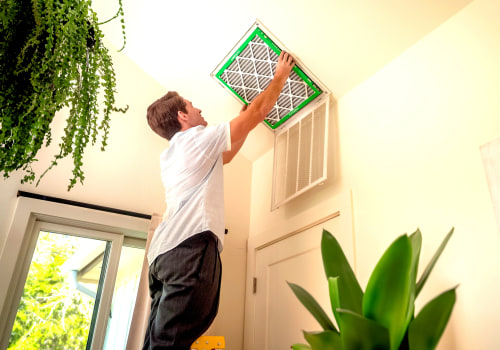
- Inspection of the Air Filter: The air filter is one of the most critical components of your HVAC system. A clean filter improves indoor air quality and system efficiency. Technicians will check the filter type and recommend replacements if necessary.
- Thermostat Calibration: The thermostat controls your HVAC system's temperature settings. Technicians will ensure it is functioning correctly, checking for accurate readings and replacing batteries if needed.
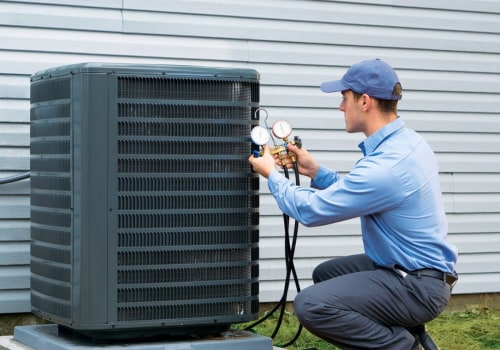
- Checking Refrigerant Levels: Proper refrigerant levels are essential for efficient cooling.
Technicians will measure the refrigerant and look for any leaks that could affect performance.
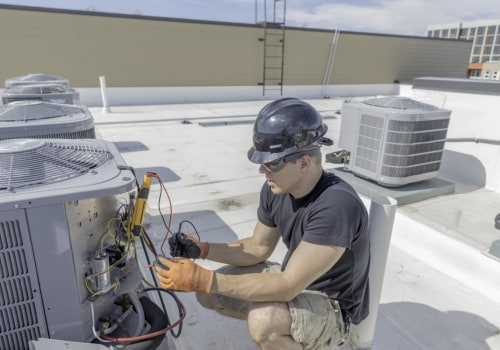
- Electrical Component Evaluation: This includes inspecting wiring, connections, and electrical components such as capacitors and contactors to ensure they are in good working order.
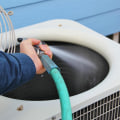
- Cleaning Coils: Dirty evaporator and condenser coils can significantly reduce efficiency. During a tune-up, technicians will clean these coils to enhance heat exchange.
- Testing System Performance: Technicians will assess the overall performance of your HVAC system by measuring airflow, temperature differentials, and other critical metrics to identify any potential issues.
It encompasses various checks and services aimed at enhancing efficiency, prolonging equipment life, and ensuring safety within your home.
Key Benefits of Regular HVAC Tune-Ups
Regular HVAC tune-ups offer a multitude of benefits that can significantly enhance the performance and longevity of your air conditioning system. Understanding these advantages can help homeowners make informed decisions about their HVAC maintenance.1.Improved Energy Efficiency
One of the most immediate benefits of regular air conditioning service is improved energy efficiency. During a tune-up, technicians clean and adjust various components, ensuring that your system operates at peak performance. A well-maintained air conditioner uses less energy to cool your home, which translates to lower utility bills.
In fact, studies have shown that regular maintenance can improve efficiency by up to 15%.
2.Extended Lifespan of Equipment
HVAC systems are a significant investment for homeowners, and regular tune-ups can help extend their lifespan. By identifying and addressing minor issues before they escalate into major problems, you can avoid costly repairs and premature system replacements. A well-maintained air conditioning unit can last 15 years or more, while neglecting maintenance can reduce its lifespan by several years.
3.Enhanced Indoor Air Quality
The quality of the air in your home is crucial for your health and comfort. Regular HVAC tune-ups include changing or cleaning air filters, which helps remove dust, allergens, and other pollutants from the air.
This is especially important for individuals with allergies or respiratory issues. Improved air quality not only contributes to better health but also creates a more comfortable living environment.
4.Prevention of Costly Repairs
Regular maintenance allows technicians to spot potential issues early on, preventing them from developing into costly repairs. For instance, a small refrigerant leak can lead to significant damage if left unchecked. By investing in routine tune-ups, homeowners can save money in the long run by avoiding emergency repairs and maintaining a reliable cooling system.
5.Increased Comfort
A well-tuned HVAC system provides consistent cooling throughout your home, ensuring that every room maintains a comfortable temperature.
During a tune-up, technicians will check the thermostat calibration and airflow distribution, making necessary adjustments to enhance comfort levels.
6.Peace of Mind
Finally, knowing that your HVAC system is regularly serviced gives you peace of mind. You can rest assured that your air conditioning unit is ready to perform when you need it most, especially during the sweltering summer months.In conclusion, prioritizing regular HVAC tune-ups is essential for maintaining an efficient, long-lasting air conditioning system while ensuring a healthy indoor environment for you and your family.
Improved Energy Efficiency and Cost Savings
One of the most significant benefits of regular HVAC tune-ups is the marked improvement in energy efficiency, which directly translates to cost savings for homeowners. When your air conditioning system operates at peak efficiency, it consumes less energy to maintain the desired temperature in your home. This not only reduces your carbon footprint but also leads to substantial savings on your monthly utility bills.According to the U.S. Department of Energy, a well-maintained air conditioning system can operate up to 15% more efficiently than one that has not received regular service. This means that if your monthly energy bill is $200, you could potentially save $30 each month simply by ensuring your system is tuned up regularly. Over the course of a year, that adds up to $360 in savings!Regular air conditioning service helps identify and rectify issues that can hinder performance.
For instance, dirty filters, blocked ducts, and low refrigerant levels can all cause your system to work harder than necessary. During a tune-up, technicians clean or replace filters, check ductwork for obstructions, and ensure refrigerant levels are optimal. These simple adjustments can significantly enhance the system's efficiency.Moreover, an efficient HVAC system not only saves money but also extends the lifespan of your equipment. Systems that are regularly maintained are less likely to experience breakdowns and costly repairs.
In fact, the Air Conditioning Contractors of America (ACCA) states that regular maintenance can extend the life of your HVAC system by 5 to 15 years.In addition to direct savings on energy bills, improved energy efficiency can also increase the overall comfort level in your home. A well-tuned system maintains consistent temperatures and humidity levels, creating a more pleasant living environment.To maximize these benefits, it is advisable to schedule annual tune-ups before the peak cooling season begins. This proactive approach not only ensures that your system is ready for the demands of summer but also helps you avoid unexpected repair costs that can arise from neglecting maintenance.In summary, investing in regular HVAC tune-ups is a smart financial decision that leads to improved energy efficiency and significant cost savings. By ensuring your air conditioning system operates at its best, you can enjoy lower utility bills while contributing to a more sustainable environment.
Health Benefits of Regular HVAC Maintenance
Maintaining your HVAC system is not just about ensuring comfort; it also has significant implications for your health.A well-maintained air conditioning system can dramatically improve indoor air quality , which is crucial for the well-being of everyone in your home.One of the primary health benefits of regular HVAC maintenance is the reduction of allergens and pollutants in the air. Dust, pollen, pet dander, and mold spores can accumulate in your home, especially if your air filters are not changed regularly. When these particles circulate through your HVAC system, they can exacerbate allergies and respiratory issues. By scheduling routine air conditioning service, you ensure that filters are clean and functioning optimally, trapping these harmful particles before they enter your living space.Moreover, a clean HVAC system helps to prevent the growth of mold and bacteria within the ducts.
Moisture can accumulate in poorly maintained systems, creating an ideal environment for these harmful microorganisms to thrive. Regular maintenance checks include inspecting and cleaning the ductwork, which not only improves air quality but also reduces the risk of illnesses associated with mold exposure.Proper ventilation is another critical aspect of HVAC maintenance that directly impacts health. A well-ventilated home allows fresh air to circulate while expelling stale air, which can contain harmful gases like carbon monoxide or volatile organic compounds (VOCs). During a tune-up, technicians assess ventilation systems to ensure they are functioning correctly, helping to maintain a safe indoor environment.In addition to improving air quality, regular HVAC maintenance can also enhance overall comfort levels in your home.
When your system operates efficiently, it maintains consistent temperatures and humidity levels, reducing the likelihood of heat-related illnesses during hot months or respiratory issues during colder seasons.In summary, investing in regular HVAC maintenance is essential not only for the longevity of your system but also for safeguarding your health. By ensuring clean filters, proper ventilation, and a mold-free environment, you create a healthier living space for you and your family.
Preventing Costly Repairs Through Regular Tune-Ups
Regular HVAC tune-ups are not just a matter of keeping your air conditioning system running smoothly; they are a vital investment in your home’s long-term health and efficiency. One of the most significant benefits of these routine maintenance checks is their ability to prevent costly repairs down the line.When you schedule an air conditioning service, trained technicians conduct thorough inspections that can uncover minor issues before they escalate into major problems. For instance, a small refrigerant leak, if left unchecked, can lead to compressor failure, which is one of the most expensive components to replace.By identifying such issues early, you can save yourself from unexpected repair bills that could easily run into hundreds or even thousands of dollars.Moreover, regular maintenance helps ensure that your system operates at peak efficiency. An inefficient system not only struggles to cool your home but also consumes more energy, leading to higher utility bills. In fact, studies have shown that well-maintained HVAC systems can operate up to 15% more efficiently than neglected ones. This efficiency translates into significant savings over time, making regular tune-ups a financially sound decision.Another aspect to consider is the difference between maintenance costs and repair costs.
The cost of a routine tune-up is typically a fraction of what you would pay for emergency repairs. For example, while a standard maintenance visit might cost around $100-$200, a major repair like replacing a compressor can easily exceed $1,500. By investing in regular tune-ups, you are essentially buying peace of mind and protecting your wallet from unexpected financial strain.In addition to saving money on repairs and energy bills, regular HVAC maintenance can also extend the lifespan of your system. Most air conditioning units are designed to last around 15-20 years with proper care.
However, neglecting routine maintenance can shorten this lifespan significantly. By ensuring that your system is regularly serviced, you can maximize its operational life and delay the need for costly replacements.In conclusion, the financial benefits of regular HVAC tune-ups are clear. From preventing costly repairs and enhancing energy efficiency to extending the life of your system, proactive maintenance is an essential part of responsible homeownership. Don’t wait for a breakdown to occur; schedule your air conditioning service today and enjoy the long-term savings it brings.
Safety Considerations: Avoiding Hazards with Regular Tune-Ups
When it comes to HVAC systems, safety should always be a top priority.Regular tune-ups not only enhance the efficiency of your air conditioning system but also play a critical role in identifying and mitigating potential hazards that could pose risks to your health and safety.One of the most significant safety concerns associated with HVAC systems is the risk of carbon monoxide leaks. This colorless, odorless gas can be deadly if not detected early. During a comprehensive air conditioning service, trained technicians will inspect your system for any signs of leaks, particularly in gas-powered units. They will check the heat exchanger and other components to ensure they are functioning correctly and not allowing carbon monoxide to escape into your living space.In addition to carbon monoxide risks, electrical hazards are another critical concern.
HVAC systems consist of various electrical components that can wear down over time. Loose connections, frayed wires, or malfunctioning parts can lead to short circuits or even fires. A professional tune-up includes a thorough examination of all electrical components, ensuring that everything is secure and functioning as it should. Technicians will measure voltages and amperes to confirm that the system operates within safe parameters.Moreover, regular maintenance helps prevent issues that could lead to system failures during extreme weather conditions.
For instance, a malfunctioning air conditioning unit can lead to overheating, which may cause further damage or even pose a fire risk. By scheduling routine inspections, you can catch these problems early and avoid dangerous situations.It’s essential to remember that attempting DIY repairs or hiring unqualified individuals for HVAC service can exacerbate safety risks. Only certified professionals have the expertise to identify potential hazards accurately and implement the necessary fixes. They follow industry standards and regulations designed to protect you and your family.In summary, prioritizing regular HVAC tune-ups is crucial for maintaining a safe home environment.
By addressing carbon monoxide risks and electrical hazards through professional inspections, you not only ensure the longevity of your air conditioning system but also safeguard your health and well-being.
The Role of Professional Technicians in HVAC Tune-Ups
When it comes to maintaining your HVAC system, the expertise of professional technicians cannot be overstated. These trained individuals bring a wealth of knowledge and experience that is essential for effective air conditioning service. Hiring a qualified technician ensures that your system receives the attention it needs to operate efficiently and safely.One of the primary reasons to engage a professional for HVAC tune-ups is their ability to identify potential issues before they escalate into costly repairs. A skilled technician can spot signs of wear and tear, such as frayed wires or corroded components, that an untrained eye might miss.This proactive approach not only saves you money in the long run but also extends the lifespan of your air conditioning unit.Moreover, professional HVAC technicians are equipped with the right tools and diagnostic equipment necessary for thorough inspections. They can measure airflow, check refrigerant levels, and assess electrical connections with precision. This level of detail is crucial for ensuring that your system operates at peak performance.
What to Look for in a Qualified Technician
When searching for an HVAC technician, consider the following factors:- Licensing and Certification: Ensure that the technician holds the appropriate licenses and certifications required by your state. This indicates that they have undergone rigorous training and adhere to industry standards.
- Experience: Look for technicians with several years of experience in the field.
Experienced professionals are more likely to have encountered a wide range of issues and can provide effective solutions.
- Customer Reviews: Check online reviews and testimonials from previous clients. Positive feedback can give you confidence in the technician's ability to deliver quality service.
- Comprehensive Services: Choose a technician who offers a full range of services, including emergency repairs, routine maintenance, and system installations. This versatility indicates a well-rounded skill set.
A poorly maintained air conditioning unit can lead to health risks, such as mold growth or carbon monoxide leaks in gas systems.In conclusion, investing in professional HVAC tune-ups is essential for optimal performance and longevity of your air conditioning system. By choosing qualified technicians, you are not only safeguarding your investment but also ensuring a comfortable living space for you and your family.
DIY vs Professional Tune-Ups: What You Need to Know
When it comes to maintaining your HVAC system, homeowners often face a critical decision: should they attempt DIY HVAC maintenance or hire a professional for tune-ups? While the allure of saving money by doing it yourself is tempting, there are several factors to consider that can significantly impact the performance and longevity of your air conditioning system.Understanding DIY HVAC Maintenance
Many homeowners take pride in their ability to handle basic maintenance tasks around the house. Simple actions like changing air filters, cleaning vents, and checking the thermostat can be performed without professional help. However, these tasks only scratch the surface of what is required for comprehensive air conditioning service.For instance, while changing an air filter is essential, it does not address deeper issues such as refrigerant levels, electrical connections, or mechanical wear and tear.
Without the right tools and knowledge, a DIY approach can lead to overlooking critical problems that may escalate into costly repairs.
The Risks of DIY Tune-Ups
Attempting to perform a full HVAC tune-up without professional training can pose several risks:
- Inadequate Diagnosis: A trained technician can identify subtle signs of wear or malfunction that an untrained eye might miss.
- Safety Hazards: Working with electrical components or gas lines can be dangerous without proper knowledge and safety precautions.
- Voiding Warranties: Many manufacturers require professional servicing to maintain warranty coverage. DIY attempts could void this protection.
- Potential Damage: Improper handling of HVAC components can lead to further damage, resulting in higher repair costs down the line.
The Advantages of Professional Tune-Ups
On the other hand, hiring a professional for your air conditioning service offers numerous benefits:
- Expertise: Professionals have the training and experience to diagnose and fix issues accurately.
- Comprehensive Service: A thorough tune-up includes a detailed checklist that covers all aspects of your system, ensuring nothing is overlooked.
- Peace of Mind: Knowing that a qualified technician is handling your HVAC system allows you to relax and focus on other priorities.
- Long-Term Savings: Regular professional maintenance can prevent costly breakdowns and extend the lifespan of your equipment.
<strong>How Often Should You Schedule an HVAC Tune-Up?</strong>
When it comes to maintaining your HVAC system, one of the most common questions homeowners ask is, "How often should I schedule an HVAC tune-up?" The answer can vary based on several factors, including the age of your system, your local climate, and how often you use your air conditioning. However, there are some general guidelines that can help you determine the best schedule for your needs.Annual Tune-Ups
- For most homeowners, scheduling a professional air conditioning service at least once a year is recommended.
This annual tune-up should ideally take place in the spring, just before the summer heat sets in. This timing allows technicians to identify and address any potential issues before you rely heavily on your system.
Considerations for Frequency
- Older Systems: If your HVAC system is older than 10 years, you may want to consider scheduling tune-ups twice a year. Older systems are more prone to wear and tear, and regular maintenance can help extend their lifespan.
- High Usage: If you live in an area with extreme temperatures or if you use your air conditioning frequently, more frequent tune-ups may be beneficial. In such cases, scheduling a service in both spring and fall can ensure optimal performance year-round.
- Allergies or Health Concerns: If anyone in your household suffers from allergies or respiratory issues, more frequent maintenance can help improve indoor air quality.
Regularly changing filters and cleaning ducts can significantly reduce allergens in your home.
Signs You Need a Tune-Up
- If you notice unusual noises coming from your unit or if it’s not cooling as effectively as it used to, it’s time to call for a professional inspection.
- Additionally, if your energy bills have spiked unexpectedly, this could indicate that your system is working harder than it should be due to inefficiencies that a tune-up could resolve.