To fully appreciate the importance of regular air conditioning service, it is essential to understand how air conditioning systems operate and the key components that make them function effectively. An air conditioning system is designed to regulate indoor temperature, humidity, and air quality, providing a comfortable environment regardless of external weather conditions. At its core, an AC unit works by removing heat from the indoor air and transferring it outside, utilizing a cycle of evaporation and condensation. The primary components of an air conditioning system include the compressor, condenser, evaporator coil, and expansion valve. The compressor acts as the heart of the system, circulating refrigerant through the system and compressing it into a high-pressure gas.
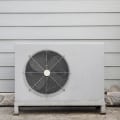
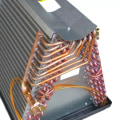
This gas then moves to the condenser , where it releases heat to the outside air and transforms into a liquid state. The liquid refrigerant then travels to the evaporator coil , located inside your home, where it absorbs heat from the indoor air, cooling it down before returning to the compressor. The expansion valve regulates the flow of refrigerant into the evaporator coil, ensuring optimal performance. Understanding these components is crucial for homeowners because each part plays a vital role in maintaining efficiency and performance. When any component malfunctions or becomes dirty, it can lead to decreased efficiency, higher energy bills, and even complete system failure.
Regular maintenance not only helps in identifying potential issues early but also ensures that each component operates at peak performance. By grasping how your air conditioning system works, you can better appreciate why investing in routine maintenance is not just beneficial but necessary for long-term comfort and cost savings.
The Importance of Regular AC Maintenance
Regular maintenance of your air conditioning system is not just a good idea; it is essential for ensuring optimal performance and longevity. Many homeowners underestimate the importance of air conditioning service, often waiting until a problem arises before seeking help. However, proactive maintenance can prevent issues before they escalate, saving you time, money, and discomfort.One of the primary benefits of regular AC maintenance is improved energy efficiency.Over time, dust and debris can accumulate in your system, leading to reduced airflow and increased energy consumption. A well-maintained unit operates more efficiently, which translates to lower energy bills. In fact, studies have shown that regular servicing can improve your system's efficiency by up to 15%.In addition to energy savings, routine maintenance extends the lifespan of your air conditioning unit. Most systems are designed to last around 15 years, but neglecting maintenance can significantly shorten this lifespan.
Regular inspections and tune-ups help identify potential issues early on, allowing for timely repairs that can prevent more severe damage. This proactive approach not only enhances the longevity of your unit but also ensures that you get the most out of your investment.Another critical aspect of regular AC maintenance is the enhancement of indoor air quality. A neglected system can become a breeding ground for mold, dust mites, and other allergens. During a maintenance visit, technicians clean or replace filters and check for any signs of contamination within the system.
This not only helps in maintaining a comfortable environment but also protects the health of your family.Furthermore, regular air conditioning service can lead to significant cost savings in the long run. While there is an upfront cost associated with maintenance visits, these expenses are often outweighed by the savings from reduced energy bills and fewer emergency repairs. In fact, many HVAC professionals recommend budgeting for annual maintenance as part of your overall home care plan.In summary, the importance of regular AC maintenance cannot be overstated. From enhancing energy efficiency and extending equipment lifespan to improving indoor air quality and saving money on repairs, the benefits are clear.
By prioritizing routine service for your air conditioning unit, you ensure a comfortable living environment while protecting your investment.
Key Components Checked During an AC Tune-Up
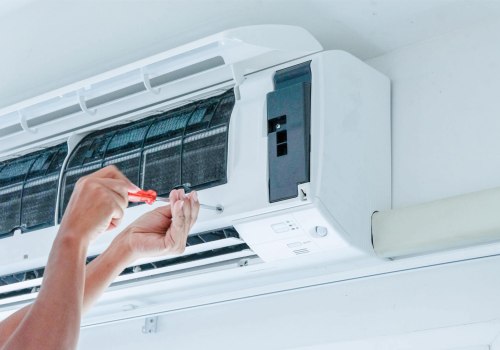
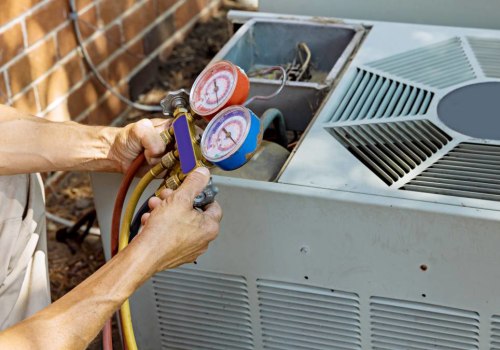
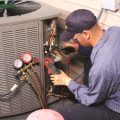
When you schedule an air conditioning service, it’s essential to understand what the technician will be inspecting. A thorough AC tune-up involves several critical components that ensure your system operates efficiently and effectively. Here’s a detailed checklist of what you can expect during an AC maintenance visit:- Refrigerant Levels: The technician will check the refrigerant levels in your system. Low refrigerant can indicate a leak, which not only affects cooling efficiency but can also lead to more significant issues if not addressed promptly.
- Airflow Assessment: Proper airflow is crucial for your AC's performance.
The technician will inspect the air filters and ducts to ensure there are no blockages that could hinder airflow, which can lead to increased energy consumption and reduced cooling capacity.
- Electrical Connections: All electrical connections will be examined for signs of wear or damage. Loose or corroded connections can lead to system failures or even electrical hazards, making this step vital for safety.
- Compressor Functionality: The compressor is the heart of your air conditioning system. The technician will assess its operation to ensure it is functioning correctly, as any issues here can lead to complete system failure.
- Condensate Drain Inspection: A clogged condensate drain can cause water damage and increase humidity levels in your home. The technician will clear any blockages to ensure proper drainage.
- Fan and Blower Operation: The fan and blower motors will be checked for proper operation.
Any unusual noises or vibrations may indicate a need for lubrication or replacement.
- Thermostat Calibration: The thermostat controls your AC's temperature settings. The technician will verify that it is calibrated correctly to ensure accurate temperature readings and efficient operation.
This proactive approach can save you from unexpected breakdowns and costly repairs in the future.
Signs Your AC Needs Maintenance
Recognizing the signs that your air conditioning unit needs maintenance is crucial for ensuring its efficiency and longevity. Ignoring these indicators can lead to more significant issues down the line, resulting in costly repairs or even complete system failure. Here are some common signs that suggest your AC may require professional attention:- Inconsistent Cooling: If you notice that some rooms in your home are significantly warmer than others, it could indicate a problem with your AC system. This inconsistency may stem from blocked ducts, low refrigerant levels, or issues with the compressor.
- Unusual Noises: Air conditioning units typically operate quietly.
If you hear strange sounds such as grinding, squealing, or banging, it may signal a mechanical issue that needs immediate attention. These noises can indicate loose parts or failing components.
- Foul Odors: A musty or burning smell coming from your AC can be a sign of mold growth or electrical problems. Mold can develop in the ductwork or on the coils, while burning odors may indicate overheating components.
- Increased Energy Bills: If you notice a sudden spike in your energy bills without a corresponding increase in usage, it could mean your AC is working harder than it should due to inefficiencies. Regular maintenance can help restore its efficiency and lower operating costs.
- Water Leaks: Puddles of water around your AC unit can indicate a clogged drain line or a refrigerant leak.
Both issues require prompt attention to prevent water damage and further complications.
- Frequent Cycling: If your air conditioning system turns on and off more frequently than usual, it may be struggling to maintain the desired temperature. This could be due to an oversized unit, dirty filters, or other underlying issues.
DIY Maintenance Tips for Homeowners
Maintaining your air conditioning system doesn't always require a professional technician.Homeowners can take several simple steps to ensure their AC units operate efficiently and effectively. Here are some DIY maintenance tips that can help you keep your air conditioning system in top shape.
1.Regularly Change the Air Filter
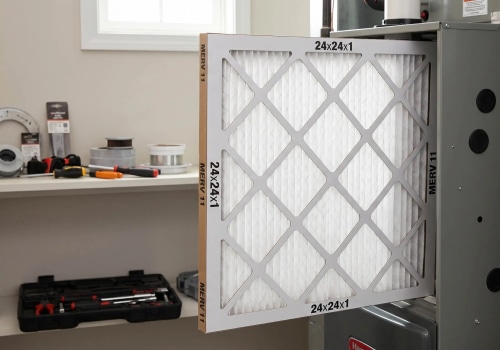
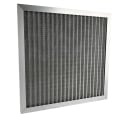
One of the easiest and most impactful maintenance tasks is changing the air filter. A clogged or dirty filter restricts airflow, making your AC work harder and less efficiently. Depending on usage, it’s advisable to check the filter every month and replace it at least every three months.One of the easiest and most impactful maintenance tasks is changing the air filter. A clogged or dirty filter restricts airflow, making your AC work harder and less efficiently. Depending on usage, it’s advisable to check the filter every month and replace it at least every three months.If you have pets or live in a dusty area, consider changing it more frequently.
2.Clean the Outdoor Unit
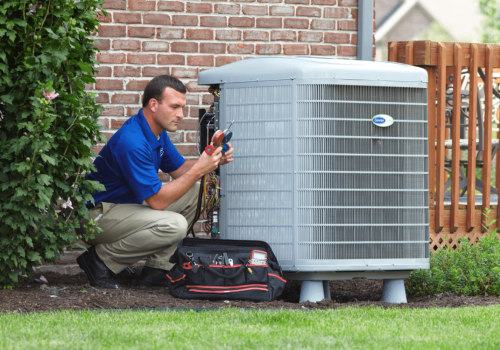
The outdoor condenser unit is exposed to the elements and can accumulate dirt, leaves, and debris over time. To clean it:- Turn off the power to the unit.
- Remove any visible debris from around the unit.
- Gently clean the fins with a soft brush or a vacuum with a brush attachment.
- Use a garden hose to rinse off any remaining dirt, being careful not to bend the fins.
3.Check and Clear Vents
Blocked vents can significantly reduce your air conditioning system's efficiency. Ensure that all vents are open and free from obstructions such as furniture or curtains. Regularly inspect and clean the vents to prevent dust buildup, which can also affect indoor air quality.4.Inspect Insulation
Check the insulation on refrigerant lines that run between the indoor and outdoor units.If you notice any damage or wear, replace it promptly to maintain efficiency. Proper insulation helps keep the refrigerant at optimal temperatures, enhancing overall performance.
5.Schedule Professional Inspections
While DIY maintenance is essential, it’s also important to schedule professional inspections at least once a year. A technician can perform more in-depth checks and repairs that are beyond basic homeowner capabilities.By following these simple AC upkeep tasks , you empower yourself to take control of your home’s air conditioning care. Regular maintenance not only extends the life of your unit but also ensures that it operates efficiently, saving you money on energy bills while keeping your home comfortable.The Cost of Neglecting AC Maintenance
Neglecting regular air conditioning service can lead to a multitude of financial repercussions that extend far beyond the immediate costs of repairs.Homeowners often underestimate the importance of routine maintenance, viewing it as an unnecessary expense rather than a wise investment. However, the reality is that failing to maintain your AC unit can result in significant long-term costs.One of the most immediate consequences of ignoring AC maintenance is the increased likelihood of system breakdowns. When an air conditioning unit is not regularly serviced, small issues can escalate into major problems. For instance, a minor refrigerant leak, if left unchecked, can lead to compressor failure—a component that is often one of the most expensive parts to replace.
The cost of a new compressor can range from $1,500 to $2,500, depending on the model and labor costs. In contrast, a routine maintenance check typically costs between $75 and $150.Moreover, an unmaintained AC unit operates less efficiently. Dust and debris can accumulate in filters and coils, forcing the system to work harder to cool your home. This inefficiency not only leads to higher energy bills but also shortens the lifespan of the unit itself.
According to the U. S. Department of Energy, regular maintenance can improve efficiency by up to 15%, translating into substantial savings on monthly utility bills.Additionally, neglecting maintenance can affect indoor air quality. A poorly maintained AC system may circulate dust, allergens, and mold throughout your home, potentially leading to health issues for you and your family.
The cost of medical treatments for respiratory problems or allergies can add up quickly, making regular maintenance a cost-effective measure for safeguarding your family's health.In summary, the financial impact of poor AC care is significant. From costly repairs and increased energy bills to potential health-related expenses, neglecting regular air conditioning service can lead to a cascade of financial burdens. By investing in routine maintenance, homeowners not only ensure their systems run efficiently but also save money in the long run while promoting a healthier living environment.
Choosing the Right Air Conditioning Service Provider
When it comes to maintaining your air conditioning system, selecting the right air conditioning service provider is crucial. A reputable HVAC company can make all the difference in ensuring your unit operates efficiently and lasts for years.Here are some essential tips to help you choose the best service provider for your needs.
- Research and Reviews: Start by conducting thorough research. Look for local HVAC companies and read customer reviews on platforms like Google, Yelp, or Angie's List. Pay attention to feedback regarding their reliability, professionalism, and quality of service.
- Check Credentials: Ensure that the company you consider is licensed and insured. A valid license indicates that the technicians are trained and qualified to perform air conditioning services.
Insurance protects you from liability in case of accidents during the service.
- Experience Matters: Look for companies with a solid track record in the industry. Experienced technicians are more likely to diagnose issues accurately and provide effective solutions. Ask how long they have been in business and if they specialize in specific brands or types of systems.
- Get Multiple Quotes: Don’t settle for the first estimate you receive. Contact several providers to compare prices and services offered.
This will give you a better understanding of the market rate and help you avoid overpaying.
- Ask About Maintenance Plans: Inquire if the company offers maintenance plans or service contracts. Regular maintenance is essential for keeping your AC unit running efficiently, and having a plan can save you money in the long run.
- Customer Service: Evaluate their customer service during your initial interactions. Are they responsive to your inquiries? Do they provide clear answers? Good communication is vital for a successful working relationship.
- Warranty and Guarantees: Check if the company offers warranties on their work or guarantees satisfaction. This shows confidence in their services and provides peace of mind for you as a customer.
Remember, investing time in choosing the right company will pay off in the form of efficient cooling, lower energy bills, and a longer lifespan for your air conditioning system.
Frequently Asked Questions About Air Conditioning Service
When it comes to air conditioning service, many homeowners have questions about the best practices for maintaining their systems. Below are some of the most frequently asked questions regarding AC maintenance, along with detailed answers to help you better understand how to care for your unit.1.How often should I schedule air conditioning service?
It is generally recommended to schedule a professional air conditioning service at least once a year, ideally in the spring. This timing allows you to prepare your system for the heavy usage during the summer months. Regular maintenance can help identify potential issues before they become major problems, ensuring your AC runs efficiently.2.What does an air conditioning service include?
A comprehensive air conditioning service typically includes:- Checking and adjusting refrigerant levels
- Inspecting electrical components and connections
- Cleaning or replacing air filters
- Examining the thermostat for accuracy
- Cleaning the condenser and evaporator coils
- Checking drainage systems for blockages
3.Can I perform maintenance on my AC unit myself?
While some basic maintenance tasks can be performed by homeowners, such as changing air filters and keeping the outdoor unit clear of debris, it is advisable to leave more complex tasks to professionals.Attempting to service your AC without proper knowledge can lead to further issues or void warranties.
4.What are the signs that my air conditioning system needs service?
Be on the lookout for these warning signs that indicate your AC may need servicing:- Unusual noises, such as grinding or squealing
- Inconsistent cooling throughout your home
- Increased energy bills without a change in usage
- Foul odors coming from the unit
- Water pooling around the unit
5.How can I improve the efficiency of my air conditioning system?
To enhance the efficiency of your AC unit, consider implementing these tips:- Regularly change or clean air filters every 1-3 months.
- Keep vents clear of obstructions like furniture or curtains.
- Seal any leaks in ductwork to prevent cool air from escaping.
- Utilize programmable thermostats to optimize cooling schedules.
Conclusion: Prioritizing Your Air Conditioning System's Health
In conclusion, the significance of regular air conditioning service cannot be overstated. As we have explored throughout this article, maintaining your air conditioning system is not merely a matter of convenience; it is essential for ensuring optimal performance, energy efficiency, and longevity of your unit. By prioritizing routine maintenance, homeowners can avoid unexpected breakdowns and costly repairs that often arise from neglect.To recap, an annual tune-up includes critical checks such as:- Coolant Levels: Ensuring that refrigerant levels are adequate and free from leaks is vital for efficient cooling.
- Electrical Connections: Inspecting and securing electrical components can prevent malfunctions and enhance safety.
- Component Functionality: A thorough examination of all parts ensures they are operating correctly and efficiently.
Homeowners should also engage in simple maintenance tasks, such as changing air filters regularly and keeping the outdoor unit clear of debris, to further extend the life of their AC systems.Ultimately, investing time and resources into regular maintenance is a wise decision that pays off in the long run. By treating your air conditioning system with care and respect, you ensure a cool and comfortable environment for your family while safeguarding your investment. Don’t wait for a breakdown to remind you of the importance of maintenance; make it a priority today for a more efficient tomorrow.