In today's world, the comfort of our homes is largely dependent on the efficiency of our HVAC systems. HVAC, which stands for Heating, Ventilation, and Air Conditioning, plays a crucial role in maintaining a comfortable indoor environment throughout the year. These systems not only regulate temperature but also ensure proper air quality and humidity levels, making them essential for our health and well-being. Understanding how these systems work and their importance can help homeowners appreciate the value of regular air conditioning service.HVAC systems are designed to provide heating during the colder months and cooling during the warmer months, creating a balanced atmosphere that enhances our daily lives.
They work by circulating air through a series of ducts and vents, filtering out pollutants and allergens to deliver clean, conditioned air into our living spaces. This process is vital not just for comfort but also for energy efficiency; a well-maintained HVAC system can significantly reduce energy consumption and lower utility bills.Moreover, the importance of HVAC systems extends beyond mere comfort. They contribute to the overall safety of your home by preventing issues such as mold growth and excessive humidity, which can lead to health problems. Regular maintenance ensures that these systems operate at peak performance, reducing the likelihood of unexpected breakdowns and costly repairs.
By investing in routine air conditioning service, homeowners can extend the lifespan of their HVAC units while enjoying consistent comfort year-round.
What is Regular HVAC Maintenance?
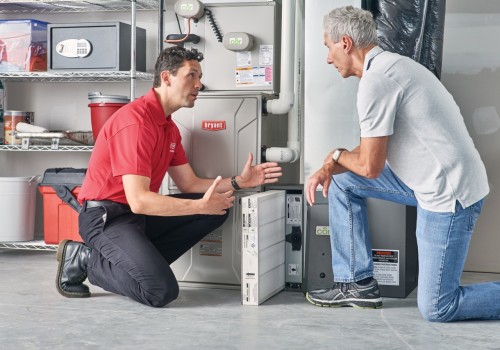
Regular HVAC maintenance refers to the systematic inspection, cleaning, and servicing of heating, ventilation, and air conditioning systems. This process is essential for ensuring that your air conditioning unit operates at peak efficiency and remains reliable throughout its lifespan. By engaging in regular maintenance, homeowners can prevent unexpected breakdowns and costly repairs while also enhancing indoor air quality.So, what does regular HVAC maintenance entail? Here are some key components:- Inspection of Components: Technicians will examine critical parts of your HVAC system, including the compressor, evaporator coils, and ductwork. This thorough inspection helps identify any wear and tear or potential issues that could lead to system failure.
- Cleaning: Dust and debris can accumulate in various parts of your air conditioning unit, such as filters and coils.
Regular cleaning ensures that these components function efficiently, which can significantly reduce energy consumption.
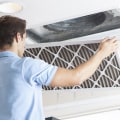
- Filter Replacement: Air filters play a crucial role in maintaining indoor air quality. During maintenance visits, technicians will replace or clean filters to ensure optimal airflow and reduce allergens in your home.
- Refrigerant Check: The refrigerant is vital for cooling your home. A technician will check the refrigerant levels to ensure they are within the manufacturer's specifications. Low refrigerant levels can indicate leaks that need immediate attention.
- Thermostat Calibration: Ensuring that your thermostat is accurately calibrated is essential for maintaining comfort levels in your home.
Technicians will check the thermostat settings and make adjustments as necessary.
By understanding what this maintenance involves and its benefits, homeowners can make informed decisions about their air conditioning service needs.
Benefits of Regular Air Conditioning Service
Regular air conditioning service is not just a routine task; it is an essential practice that offers numerous benefits for homeowners. Understanding these advantages can help you appreciate the importance of maintaining your HVAC system.1.Enhanced Efficiency
One of the primary benefits of regular HVAC maintenance is improved efficiency. Over time, dust, dirt, and debris can accumulate in your air conditioning unit, leading to reduced airflow and increased energy consumption. During a professional service, technicians clean critical components such as the evaporator and condenser coils, ensuring that your system operates at peak performance.
This enhanced efficiency translates to lower energy bills, as your unit won’t have to work as hard to cool your home.
2.Cost Savings
Investing in regular air conditioning service can lead to significant cost savings in the long run. By identifying and addressing minor issues before they escalate into major problems, you can avoid costly repairs or even premature replacement of your unit. Additionally, an efficiently running system consumes less energy, which means lower utility bills each month. In fact, studies have shown that regular maintenance can save homeowners up to 30% on their energy costs.Investing in regular air conditioning service can lead to significant cost savings in the long run. By identifying and addressing minor issues before they escalate into major problems, you can avoid costly repairs or even premature replacement of your unit. Additionally, an efficiently running system consumes less energy, which means lower utility bills each month. In fact, studies have shown that regular maintenance can save homeowners up to 30% on their energy costs.
3.Extended Lifespan of Your Unit
Just like any other mechanical system, your air conditioning unit has a finite lifespan.
However, with proper care and maintenance, you can extend its life significantly. Regular servicing helps ensure that all components are functioning correctly and reduces the wear and tear on the system. Many manufacturers recommend annual maintenance to keep warranties valid and prolong the life of the unit.
4.Improved Indoor Air Quality
Your HVAC system plays a crucial role in maintaining indoor air quality. A well-maintained air conditioning unit filters out dust, allergens, and pollutants from the air, contributing to a healthier living environment.
Regular service includes changing or cleaning filters, which helps reduce allergens and improves overall air quality in your home.
5.Peace of Mind
Knowing that your air conditioning system is regularly serviced provides peace of mind. You can rest easy knowing that your unit is less likely to break down during extreme weather conditions when you need it most. Regular maintenance allows you to anticipate potential issues and address them proactively rather than reactively.In conclusion, the benefits of regular air conditioning service are clear: enhanced efficiency, cost savings, extended lifespan of your unit, improved indoor air quality, and peace of mind. By prioritizing HVAC maintenance, homeowners can enjoy a comfortable living environment while protecting their investment in their cooling systems.
How Often Should You Schedule HVAC Maintenance?
When it comes to maintaining your HVAC system, understanding how often to schedule air conditioning service is crucial for ensuring optimal performance and longevity.The frequency of maintenance can vary based on several factors, including the age of your system, its usage, and the specific climate conditions in your area.
General Recommendations
- For most residential air conditioning systems, it is advisable to schedule maintenance at least once a year. This annual check-up allows technicians to inspect and service key components, ensuring that everything is functioning correctly.
- If your air conditioning unit is over five years old, consider increasing the frequency of maintenance to twice a year. Older systems are more prone to wear and tear, and regular servicing can help catch potential issues before they escalate into costly repairs.
Factors Influencing Maintenance Frequency
- Usage: If you use your air conditioning system frequently, especially in extreme temperatures, it may require more frequent servicing. Homes in hotter climates or those that run their AC units continuously will benefit from biannual maintenance.
- System Age: As mentioned earlier, older systems typically need more attention.
Newer models may have advanced technology that allows them to run more efficiently for longer periods without requiring as much maintenance.
- Environmental Conditions: Homes located in dusty or humid areas may need more frequent cleanings and checks. Dust accumulation can hinder performance, while humidity can lead to mold growth within the system.
Signs That Indicate More Frequent Maintenance
- If you notice unusual noises coming from your unit or if it takes longer than usual to cool your home, these could be signs that your system needs immediate attention.
- Increased energy bills can also indicate that your air conditioning unit is not operating efficiently, which may necessitate more frequent servicing.
Signs Your Air Conditioning Unit Needs Maintenance
Recognizing the signs that your air conditioning unit needs maintenance is crucial for ensuring its efficiency and longevity. Ignoring these indicators can lead to more significant problems and costly repairs down the line.Here are some common signs that suggest it’s time to schedule an air conditioning service .
- Inconsistent Cooling: If you notice that certain rooms in your home are warmer than others or that your unit is struggling to maintain a consistent temperature, it may be a sign of an underlying issue. This inconsistency can stem from blocked ducts, low refrigerant levels, or a malfunctioning thermostat.
- Unusual Noises: Air conditioning units typically operate quietly. If you hear strange sounds such as grinding, squealing, or banging, it could indicate a mechanical problem. These noises often signal that components are wearing out or that there is debris obstructing the system.
- Increased Energy Bills: A sudden spike in your energy bills without a corresponding increase in usage can be a red flag.
An inefficient air conditioning unit has to work harder to cool your home, leading to higher energy costs. Regular maintenance can help keep your system running efficiently and save you money.
- Bad Odors: Foul smells emanating from your air conditioning unit can indicate mold growth or electrical issues. If you detect musty odors, it’s essential to address the problem promptly, as mold can pose health risks to you and your family.
- Frequent Cycling: If your air conditioning unit turns on and off frequently, this could be a sign of an oversized system or issues with the thermostat. Frequent cycling not only affects comfort but also increases wear and tear on the unit.
- Water Leaks: Any signs of water pooling around your air conditioning unit should not be ignored.
This could indicate a clogged drain line or a refrigerant leak, both of which require immediate attention to prevent further damage.
The Cost of Neglecting HVAC Maintenance
Neglecting regular HVAC maintenance can lead to a cascade of financial repercussions that many homeowners may not fully appreciate until it’s too late. The cost of ignoring your air conditioning system can manifest in various ways, from skyrocketing energy bills to hefty repair expenses.One of the most immediate consequences of poor HVAC maintenance is the increase in energy inefficiency.When your air conditioning unit is not regularly serviced, it accumulates dust, dirt, and debris, which can obstruct airflow and force the system to work harder to maintain the desired temperature. This inefficiency not only leads to higher utility bills but also shortens the lifespan of your unit. According to the U. S.
Department of Energy, a well-maintained air conditioning system can operate up to 15% more efficiently than one that is neglected.In addition to increased energy costs, neglecting maintenance can result in significant repair expenses. Small issues, such as a dirty filter or a minor refrigerant leak, can escalate into major problems if left unaddressed. For instance, a refrigerant leak can lead to compressor failure, which is one of the most expensive components to replace in an HVAC system. Repair costs for such failures can range from $1,500 to $3,000 , depending on the severity of the issue and the specific model of your air conditioning unit.Moreover, regular maintenance helps identify potential problems before they become critical.
During routine check-ups, technicians can spot wear and tear on parts that may need replacement soon. By addressing these issues proactively, homeowners can avoid unexpected breakdowns and the associated costs of emergency repairs.Another financial aspect to consider is the potential for decreased property value. A home with a poorly maintained HVAC system may deter potential buyers or lead to lower offers during negotiations. Buyers are often wary of homes that require immediate repairs or replacements, which could result in a significant loss when it comes time to sell.In summary, the cost of neglecting HVAC maintenance extends far beyond immediate repair bills.
It encompasses increased energy expenses, potential property value depreciation, and the risk of facing larger issues down the line. To protect your investment and ensure your home remains comfortable year-round, prioritizing regular air conditioning service is essential.
DIY vs. Professional HVAC Maintenance: What You Need to Know
When it comes to maintaining your HVAC system, homeowners often find themselves at a crossroads: should they tackle maintenance tasks themselves or hire a professional air conditioning service? Understanding the differences between DIY maintenance and professional services can help you make informed decisions that ensure your system runs efficiently and lasts longer.DIY HVAC Maintenance
Many homeowners are capable of performing basic maintenance tasks that can significantly enhance the performance of their air conditioning units. Here are some essential DIY tasks you can undertake:
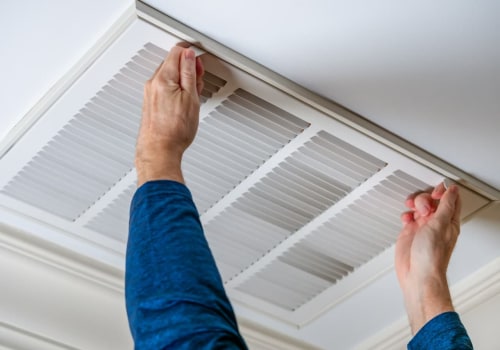
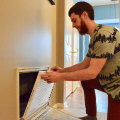
- Changing Air Filters: One of the simplest yet most effective ways to maintain your HVAC system is by regularly changing or cleaning the air filters.
Clogged filters restrict airflow, making your system work harder and less efficiently. Aim to check your filters every month and replace them every 1-3 months, depending on usage.
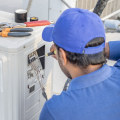
- Cleaning the Outdoor Unit: Keeping the outdoor condenser unit free from debris is crucial. Remove leaves, dirt, and other obstructions that can hinder airflow. A clean unit operates more efficiently and can help prevent overheating.
- Checking Thermostat Settings: Ensure your thermostat is functioning correctly.
If you have a programmable thermostat, verify that it’s set to optimal temperatures for both cooling and heating seasons.
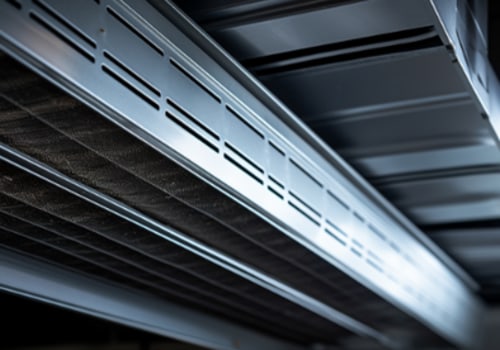
- Inspecting Ductwork: Look for visible signs of wear or damage in your ductwork. Sealing any leaks can improve efficiency and reduce energy costs.
When to Call in Professionals
For more complex issues or comprehensive maintenance, it’s wise to enlist the help of a professional air conditioning service. Here are some scenarios where professional intervention is necessary:
- Annual Inspections: A professional technician can perform a thorough inspection of your entire HVAC system, identifying potential issues that may not be visible to the untrained eye.
- Refrigerant Checks: Handling refrigerants requires specialized knowledge and certification. If you suspect a refrigerant leak or need a recharge, call in an expert.
- Electrical Components: If you notice electrical issues such as tripped breakers or unusual sounds, it’s best to have a professional assess the situation to avoid safety hazards.
- Complex Repairs: Any repairs involving the compressor, blower motor, or other intricate components should be left to professionals who have the right tools and expertise.
Conclusion
In summary, while DIY maintenance can help keep your HVAC system running smoothly, certain tasks require professional expertise.
By understanding what you can handle yourself and when to call in experts, you’ll ensure that your air conditioning unit remains efficient and reliable for years to come.
Choosing the Right HVAC Service Provider
When it comes to maintaining your air conditioning system, selecting the right HVAC service provider is crucial. A reliable contractor can make all the difference in ensuring your unit operates efficiently and lasts for years. Here are some essential tips to help you choose the best air conditioning service.Check Credentials and Certifications
Before hiring an HVAC professional, verify their credentials. Look for licenses and certifications that demonstrate their expertise in the field.In the United States, reputable HVAC contractors should hold a valid license issued by the state, which indicates they have met specific training and competency standards. Additionally, certifications from organizations like the North American Technician Excellence (NATE) or the Air Conditioning Contractors of America (ACCA) can further assure you of their qualifications.
Experience Matters
Experience is another critical factor when selecting an HVAC service provider. Companies with a long history in the industry are often more reliable, as they have likely encountered a wide range of issues and developed effective solutions. Ask potential contractors how long they have been in business and whether they specialize in residential or commercial systems.A provider with extensive experience in your specific type of system will be better equipped to handle any challenges that arise.
Read Customer Reviews
Customer reviews can provide valuable insights into the quality of service offered by an HVAC company. Check online platforms such as Google , Yelp , or Angie's List for feedback from previous clients. Pay attention to comments regarding punctuality, professionalism, and overall satisfaction with the service provided. A company with consistently positive reviews is more likely to deliver a satisfactory experience.Get Multiple Quotes
Don’t settle for the first quote you receive.Instead, obtain estimates from several HVAC service providers to compare prices and services offered. This will give you a better understanding of the market rate and help you identify any unusually high or low bids. Remember, the cheapest option isn’t always the best; consider the value of services included in each quote.
Ask About Warranties and Guarantees
A reputable HVAC contractor should stand behind their work with warranties or guarantees on both parts and labor. This not only protects your investment but also demonstrates their confidence in the quality of their services.Be sure to ask about warranty terms before making your final decision.In conclusion, choosing the right HVAC service provider requires careful consideration of credentials, experience, customer feedback, pricing, and warranties. By taking these factors into account, you can ensure that your air conditioning system receives the best possible care, leading to improved efficiency and longevity.
Frequently Asked Questions About HVAC Maintenance
When it comes to HVAC maintenance, many homeowners have questions that can help them better understand the importance of regular care for their air conditioning systems. Here are some of the most frequently asked questions regarding air conditioning service and maintenance:1.How often should I schedule HVAC maintenance?
It is generally recommended to have your air conditioning system serviced at least once a year. However, if your unit is older than five years, consider scheduling maintenance twice a year to ensure optimal performance and efficiency.2.What does an HVAC maintenance service include?
A typical maintenance service includes:- Inspection of all major components, including the compressor, evaporator coil, and condenser.
- Cleaning or replacing air filters to improve airflow and efficiency.
- Checking refrigerant levels and ensuring there are no leaks.
- Testing the thermostat for accurate temperature control.
- Inspecting electrical connections and tightening any loose parts.
3.Why is regular maintenance important?
Regular maintenance is crucial for several reasons:- Efficiency: A well-maintained system operates more efficiently, which can lead to lower energy bills.
- Longevity: Routine check-ups can extend the lifespan of your HVAC system by preventing major breakdowns.
- Air Quality: Regular cleaning helps reduce allergens and pollutants in your home, improving indoor air quality.
4.What are the signs that my air conditioning unit needs maintenance?
If you notice any of the following signs, it may be time to schedule a maintenance appointment:- Your system is making unusual noises.
- The air conditioner is not cooling your home effectively.
- You experience a sudden increase in energy bills without a change in usage.
- The airflow from vents is weak or inconsistent.
5.Can I perform any maintenance myself?
Yes, there are some basic maintenance tasks you can do yourself, such as:- Regularly checking and replacing air filters every 1-3 months.
- Cleansing the area around the outdoor unit to ensure proper airflow.
- Monitoring your thermostat settings for accuracy.
Conclusion: The Long-Term Value of Regular HVAC Maintenance
In summary, the significance of regular HVAC maintenance cannot be overstated.It serves as a cornerstone for ensuring that your air conditioning system operates at peak efficiency, ultimately enhancing your home comfort while also protecting your investment.Throughout this article, we have explored various aspects of air conditioning service, emphasizing how routine maintenance can lead to:
- Improved Efficiency: Regular check-ups help keep your system clean and free from obstructions, allowing it to function more effectively and consume less energy.
- Extended Lifespan: Just like any mechanical system, your HVAC unit benefits from consistent care. By addressing minor issues before they escalate, you can significantly prolong the life of your equipment.
- Cost Savings: Investing in routine maintenance can save you money on energy bills and prevent costly repairs down the line. A well-maintained system is less likely to break down unexpectedly.
- Enhanced Air Quality: Regular servicing includes cleaning or replacing filters, which helps reduce allergens and pollutants in your home, contributing to a healthier living environment.
Don’t wait for a breakdown or an unexpected spike in your energy bills to remind you of the importance of maintenance. Schedule your air conditioning service today and make it a part of your annual home care routine. By doing so, you are not only investing in the comfort of your home but also safeguarding your financial future against unforeseen repair costs.Your HVAC system deserves the best care possible, and with regular maintenance, you can ensure it delivers optimal performance for years to come. Contact a trusted HVAC professional today to set up a maintenance plan tailored to your needs.