Maintaining your air conditioning system is not just a matter of comfort; it is essential for ensuring the efficiency and longevity of your unit. Regular air conditioning service plays a pivotal role in keeping your home cool during the sweltering summer months. When you invest time and resources into proper air conditioner maintenance, you are not only enhancing the performance of your system but also safeguarding your investment against costly repairs and replacements.The importance of routine upkeep cannot be overstated. A well-maintained air conditioning unit operates more efficiently, which translates to lower energy bills.
In fact, studies have shown that regular maintenance can improve energy efficiency by as much as 15%. This is particularly significant during peak usage periods when energy costs can skyrocket. By ensuring that your system is clean and functioning optimally, you can enjoy a comfortable indoor environment without breaking the bank.Moreover, neglecting air conditioner maintenance can lead to a host of problems, including reduced airflow, poor indoor air quality, and even complete system failure. Dust and debris can accumulate in filters and coils, hindering airflow and forcing your unit to work harder than necessary.
This not only increases wear and tear on the system but also diminishes its ability to cool effectively. Regular servicing helps to identify potential issues before they escalate into major problems, allowing you to address them proactively.In summary, prioritizing air conditioning service is crucial for maintaining a comfortable living space while also extending the lifespan of your unit. By committing to regular maintenance, you can enjoy peace of mind knowing that your air conditioner will perform efficiently when you need it most. Whether it’s scheduling professional inspections or performing simple DIY tasks, every effort counts towards achieving optimal performance and cost savings.
Understanding Your Air Conditioning System
To effectively maintain your air conditioning system, it is essential to understand how it operates and the various components that work together to provide cooling.An air conditioning system primarily functions by removing heat and humidity from the indoor air, thereby creating a comfortable environment.
How Air Conditioning Works
The basic principle behind air conditioning is the refrigeration cycle, which involves the circulation of refrigerant through different components of the system. This cycle consists of four main stages: evaporation, compression, condensation, and expansion.
- Evaporation: The refrigerant absorbs heat from the indoor air as it evaporates in the evaporator coil, cooling the air that is then circulated back into your home.
- Compression: The gaseous refrigerant is drawn into the compressor, where it is compressed to a high pressure and temperature, preparing it for the next stage.
- Condensation: The hot, high-pressure gas moves to the condenser coil outside your home, where it releases heat to the outside air and condenses back into a liquid.
- Expansion: The liquid refrigerant then passes through an expansion valve, where its pressure drops, allowing it to evaporate again in the evaporator coil and repeat the cycle.
Components of an AC System
An air conditioning system consists of several key components that work in harmony:
- Evaporator Coil: Located inside your home, this coil absorbs heat from indoor air.
- Compressor: This component pumps refrigerant through the system and is typically located outside.
- Condenser Coil: Found outside as well, this coil releases heat absorbed from inside your home.
- Expansion Valve: This regulates the flow of refrigerant into the evaporator coil.
- Ductwork: This system of ducts distributes cooled air throughout your home.
- Thermostat: This device allows you to set and control your desired indoor temperature.
Types of Air Conditioners
There are several types of air conditioning systems available, each suited for different needs and preferences:
- Central Air Conditioning: Ideal for larger homes, this system uses ductwork to distribute cool air throughout multiple rooms.
- Ductless Mini-Split Systems: These systems are perfect for homes without ductwork and allow for zoned cooling in specific areas.
- Window Units: A cost-effective solution for single rooms, these units are installed in windows and cool only the immediate area.
- Portable Air Conditioners: These units can be moved from room to room and are ideal for temporary cooling needs.
Signs Your Air Conditioner Needs Service
Recognizing the signs that your air conditioner needs service is crucial for maintaining its efficiency and longevity. Ignoring these indicators can lead to more significant issues down the line, resulting in costly repairs or even complete system failure. Here are some common signs that suggest it’s time to call for air conditioning service.- Inconsistent Cooling: If you notice that some rooms in your home are warmer than others, it may indicate a problem with your air conditioning system.
This inconsistency can be caused by blocked ducts, low refrigerant levels, or issues with the compressor.
- Unusual Noises: Air conditioners typically operate quietly. If you hear strange sounds such as grinding, squealing, or banging, it could signal a mechanical issue that requires immediate attention. These noises often indicate loose or damaged components that need repair.
- Foul Odors: A musty or burning smell coming from your air conditioner can be a sign of mold growth or electrical problems. Mold can affect indoor air quality and pose health risks, while electrical issues can lead to fire hazards.
- Increased Energy Bills: If you notice a sudden spike in your energy bills without a corresponding increase in usage, your air conditioner may be working harder than necessary due to inefficiencies.
This could be due to dirty filters, low refrigerant levels, or other underlying issues.
- Water Leaks: Any signs of water pooling around your air conditioning unit should not be ignored. This could indicate a clogged drain line or a refrigerant leak, both of which require professional attention to prevent water damage and further complications.
- Frequent Cycling: If your air conditioner turns on and off frequently, it may be short cycling. This can lead to increased wear and tear on the system and is often caused by an oversized unit or issues with the thermostat.
DIY Maintenance Tips for Homeowners
Maintaining your air conditioning system is essential for ensuring its efficiency and longevity.While professional servicing is crucial, there are several DIY maintenance tips that homeowners can implement to keep their AC units in top shape. Regular upkeep not only enhances performance but also helps in avoiding costly repairs down the line.
1.Regularly Change or Clean Air Filters
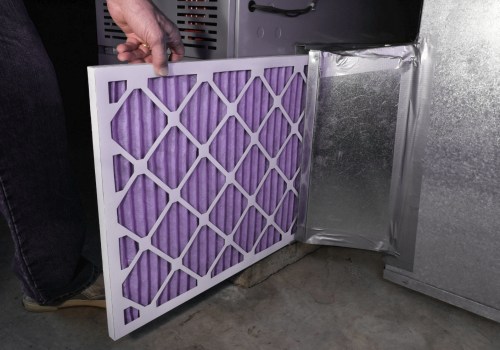
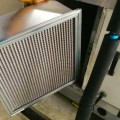
- One of the simplest yet most effective maintenance tasks is to check and replace or clean the air filters every one to two months. Clogged filters restrict airflow, making your AC work harder and consume more energy.
- If you have pets or live in a dusty area, consider changing the filters more frequently to maintain optimal air quality.
2.Keep the Outdoor Unit Clean
- Ensure that the outdoor condenser unit is free from debris such as leaves, dirt, and grass clippings. A clean unit allows for better airflow and cooling efficiency.
- Use a garden hose to gently wash away dirt from the fins, but avoid using a pressure washer as it can bend the fins and damage the unit.
3.Inspect and Clear Drain Lines
- The condensate drain line can become clogged with algae and dirt, leading to water damage and increased humidity levels in your home.
Regularly inspect the drain line and use a wet/dry vacuum to clear any blockages.
- You can also pour a mixture of vinegar and water down the drain line every few months to help prevent clogs.
4.Check Thermostat Settings
- Ensure that your thermostat is functioning correctly. If you have a programmable thermostat, set it to adjust temperatures according to your schedule for maximum efficiency.
- Consider upgrading to a smart thermostat for better control over your home’s cooling needs.
5.Inspect Ductwork for Leaks
- Leaky ducts can significantly reduce your AC's efficiency. Inspect visible ductwork for any signs of wear or damage, and seal any leaks with duct tape or mastic sealant.
- If you notice significant issues, consider hiring a professional for a thorough inspection.
6.Schedule Professional Maintenance
- While DIY maintenance is important, it’s equally vital to schedule annual professional inspections. Technicians can identify potential issues that may not be visible during routine checks.
- A professional tune-up typically includes cleaning coils, checking refrigerant levels, and ensuring all components are functioning properly.
Regular maintenance not only improves performance but also enhances indoor air quality, making your home more comfortable during those hot summer months.
The Importance of Professional Air Conditioning Service
When it comes to maintaining your air conditioning system, the role of a professional HVAC technician cannot be overstated. While there are several maintenance tasks that homeowners can perform themselves, such as changing air filters and cleaning the exterior of the unit, a comprehensive professional AC service is essential for ensuring the long-term efficiency and reliability of your system.Benefits of Hiring an HVAC Technician
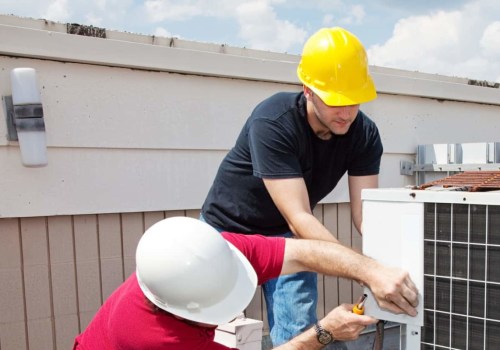
- Expertise and Experience: HVAC technicians undergo extensive training and possess the knowledge required to diagnose and fix complex issues that may not be apparent to the average homeowner. Their experience allows them to identify potential problems before they escalate into costly repairs.
- Comprehensive Inspections: During a professional service visit, technicians conduct thorough inspections of your air conditioning system. This includes checking refrigerant levels, inspecting electrical components, and assessing the overall condition of the unit.
Such detailed evaluations help ensure that all parts are functioning optimally.
- Safety: Air conditioning systems involve electrical components and refrigerants that can be hazardous if mishandled. Professionals are trained to handle these elements safely, reducing the risk of accidents or injuries.
- Improved Efficiency: Regular professional maintenance can significantly enhance your system's efficiency. A well-maintained air conditioner uses less energy, which translates to lower utility bills and a reduced environmental impact.
- Extended Lifespan: Just like any other mechanical system, regular servicing can extend the lifespan of your air conditioning unit. By addressing minor issues promptly, you can avoid major breakdowns that could lead to premature replacement.
When to Hire an HVAC Professional
It is advisable to schedule a professional service at least once a year, ideally in early spring before the peak cooling season begins.
This timing allows technicians to prepare your system for the demands of summer heat. However, if you notice any unusual sounds, decreased airflow, or increased energy bills, it may be time to call in a professional sooner rather than later.In conclusion, investing in professional air conditioning service is crucial for maintaining an efficient and reliable cooling system. The expertise provided by HVAC technicians not only ensures optimal performance but also contributes to the longevity of your unit, ultimately saving you money in the long run.
Seasonal Maintenance Checklist for Air Conditioners
Maintaining your air conditioner is essential for ensuring its efficiency and longevity, especially as the seasons change. Below is a comprehensive seasonal maintenance checklist that homeowners can follow to prepare their air conditioning systems for both summer and winter.Summer Preparation Checklist
- Clean or Replace Air Filters: Check your air filters every month during the cooling season.
If they are dirty or clogged, replace them to improve airflow and indoor air quality.
- Inspect the Condenser Unit: Clear any debris, such as leaves or dirt, from around the outdoor condenser unit. Ensure there is at least two feet of clearance around the unit for optimal airflow.
- Check Refrigerant Levels: Low refrigerant levels can hinder your air conditioner's performance. If you suspect a leak or low levels, contact a professional for a check-up.
- Examine Ductwork: Inspect your ductwork for any signs of leaks or blockages. Sealing leaks can significantly improve efficiency and reduce energy costs.
- Test the Thermostat: Ensure that your thermostat is functioning correctly.
Consider upgrading to a programmable thermostat for better temperature control and energy savings.
Winter Preparation Checklist
- Turn Off the Power: Before performing any maintenance, ensure that the power to your air conditioning unit is turned off to prevent accidents.
- Clean the Indoor Unit: Dust and clean the indoor components of your air conditioner, including vents and registers, to prevent dust buildup during the off-season.
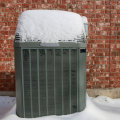
- Cover the Outdoor Unit: Use a protective cover for your outdoor unit to shield it from snow, ice, and debris. This helps prevent rust and damage during harsh winter conditions.
- Check Insulation: Inspect insulation around refrigerant lines and ensure it is intact. Proper insulation helps maintain efficiency and prevents freezing in colder temperatures.
- Scheduling Professional Maintenance: Consider scheduling a professional inspection in late fall to ensure your system is ready for winter. A technician can perform necessary checks and tune-ups that are crucial for optimal performance.
Regular upkeep not only enhances performance but also extends the lifespan of your unit, saving you money on repairs and energy costs in the long run.
Energy Efficiency and Cost Savings Through Maintenance
Maintaining your air conditioning system is not just about ensuring comfort during the sweltering summer months; it also plays a crucial role in enhancing energy efficiency and achieving significant cost savings. Regular maintenance can lead to a more efficient system, which translates into lower energy bills and a reduced environmental footprint.One of the primary ways to improve energy efficiency is by keeping the air filters clean. Clogged or dirty filters restrict airflow, forcing your air conditioner to work harder to cool your home. This increased workload not only raises energy consumption but can also shorten the lifespan of your unit.By replacing or cleaning filters every one to two months, you can ensure optimal airflow and efficiency.Another essential maintenance task is to schedule annual professional inspections. During these visits, technicians can identify and rectify issues that may not be apparent to the average homeowner. For instance, they can clean the evaporator and condenser coils, which accumulate dirt over time. Dirty coils hinder heat exchange, making your system less efficient and increasing energy costs.
A well-maintained system can operate at peak efficiency, potentially saving you up to 30% on cooling costs.Additionally, checking and sealing ductwork is vital for maintaining energy efficiency. Leaky ducts can lead to significant energy loss, as conditioned air escapes before it reaches its intended destination. By sealing these leaks, you can improve the overall efficiency of your HVAC system and reduce your monthly utility bills.Investing in a programmable thermostat is another effective strategy for reducing energy costs. These devices allow you to set specific temperatures for different times of the day, ensuring that your air conditioner runs only when necessary.
For example, you can program it to raise the temperature while you're away at work and cool down just before you return home.In summary, regular maintenance of your air conditioning system not only enhances its performance but also leads to substantial cost savings. By implementing simple practices such as changing filters, scheduling professional inspections, sealing ducts, and utilizing programmable thermostats, homeowners can enjoy a more efficient cooling system while keeping their energy bills in check.
Common Air Conditioning Issues and Solutions
Air conditioning systems are essential for maintaining a comfortable indoor environment, especially during the sweltering summer months. However, like any mechanical system, they can encounter issues that may hinder their performance. Understanding common air conditioning problems and their solutions can empower homeowners to troubleshoot minor issues before they escalate into costly repairs.1.Insufficient Cooling
One of the most frequent complaints among homeowners is that their air conditioner is not cooling effectively.This issue can stem from several factors:
- Dirty Air Filters: Clogged filters restrict airflow, making it difficult for the unit to cool the air efficiently. Regularly check and replace filters every one to two months.
- Thermostat Settings: Ensure that the thermostat is set to a lower temperature than the current room temperature. If it’s malfunctioning, consider recalibrating or replacing it.
- Refrigerant Levels: Low refrigerant levels can indicate a leak in the system. If you suspect this, contact a professional for a thorough inspection and recharge.
2.Unusual Noises
If your air conditioner starts making strange noises, it could be a sign of underlying issues:- Banging or Clanking: This may indicate loose or broken parts within the unit.
Turn off the system and consult a technician.
- Squealing: A high-pitched squeal often points to a worn-out belt or motor issue. Immediate attention is recommended to prevent further damage.
- Hissing or Bubbling: These sounds may suggest a refrigerant leak, which requires professional repair.
3.Water Leaks
Water pooling around your air conditioning unit can lead to significant damage if not addressed promptly. Common causes include:- Clogged Drain Line: Over time, algae and debris can block the condensate drain line, causing water to back up. Regularly inspect and clean this line to prevent clogs.
- Dirty Coils: When evaporator coils are dirty, they can freeze up and cause excess water when they thaw.
Schedule regular maintenance to keep coils clean.
4.Frequent Cycling
If your air conditioner turns on and off frequently, it may be short cycling, which can lead to increased energy costs and wear on the system:- Oversized Unit: An air conditioner that is too large for your space will cool too quickly without adequately dehumidifying the air.
- Thermostat Issues: A malfunctioning thermostat can misread temperatures and cause erratic cycling. Consider recalibrating or replacing it if necessary.
Conclusion: Keeping Your Air Conditioner in Top Shape
In summary, maintaining your air conditioning system is not just a matter of convenience; it is essential for ensuring optimal performance, energy efficiency, and longevity. By adhering to a regular maintenance schedule and seeking air conditioning service from qualified professionals, you can significantly enhance the reliability of your unit.Throughout this guide, we have highlighted several key practices that contribute to the effective upkeep of your air conditioner:- Regular Filter Changes: Changing or cleaning your air filters every one to two months is crucial.
This simple task can improve indoor air quality and reduce energy consumption.
- Annual Professional Inspections: Scheduling a professional service at least once a year allows technicians to identify and address potential issues before they escalate into costly repairs.
- Seasonal Preparation: Preparing your air conditioner for seasonal changes—whether it’s winterizing it or getting it ready for summer—can prevent damage and ensure it operates efficiently when you need it most.
- DIY Maintenance: While some tasks are best left to professionals, homeowners can perform basic maintenance like cleaning the condensate drain and ensuring the outdoor unit is free from debris.