Furnace maintenance is a critical aspect of homeownership that often goes overlooked until a problem arises. Just as regular check-ups are essential for your health, routine maintenance of your heating system ensures that it operates efficiently and effectively throughout the colder months. Neglecting this vital upkeep can lead to a host of issues, including decreased energy efficiency, higher utility bills, and even unexpected breakdowns that can leave you in the cold.Understanding the importance of furnace maintenance begins with recognizing its role in prolonging the lifespan of your heating system. A well-maintained furnace not only performs better but also has a significantly longer operational life compared to one that is neglected.
Regular inspections and tune-ups can identify potential problems before they escalate into costly repairs, saving you both time and money in the long run. Moreover, a furnace that runs efficiently contributes to a more comfortable living environment by providing consistent heat without fluctuations.In addition to enhancing performance and longevity, routine furnace maintenance also plays a crucial role in ensuring safety within your home. Furnaces that are not properly maintained can pose serious risks, including carbon monoxide leaks and fire hazards. By investing in regular HVAC maintenance, you are not only safeguarding your equipment but also protecting your family from potential dangers associated with faulty heating systems.Ultimately, understanding furnace maintenance is about more than just keeping your home warm; it’s about creating a safe, efficient, and comfortable living space.
As we delve deeper into the specifics of furnace upkeep, you will discover various practices and tips that can help you maintain your heating system effectively, ensuring it serves you well for years to come.
The Benefits of Regular Furnace Maintenance
Regular furnace maintenance is not just a routine task; it is a vital investment in your home’s comfort, safety, and efficiency. By prioritizing this essential service, homeowners can reap numerous benefits that extend beyond mere functionality.Improved Energy Efficiency
One of the most significant advantages of regular furnace maintenance is enhanced energy efficiency. Over time, dust and debris can accumulate within the furnace, obstructing airflow and forcing the system to work harder to maintain desired temperatures. This inefficiency not only leads to increased energy consumption but also results in higher utility bills.
During a maintenance check, HVAC professionals clean critical components, ensuring optimal airflow and reducing energy waste. As a result, homeowners can enjoy lower energy costs while contributing to a more sustainable environment.
Cost Savings on Repairs
Another compelling reason to schedule regular maintenance is the potential for substantial cost savings on repairs. Many furnace issues start small but can escalate into major problems if left unaddressed. For instance, a minor issue like a worn-out belt can lead to more severe damage if it causes the motor to overheat.
Regular inspections allow technicians to identify and rectify these minor issues before they develop into costly repairs or even complete system failures. By investing in routine maintenance, homeowners can save themselves from unexpected expenses down the line.
Enhanced Safety
Safety is paramount when it comes to home heating systems. A poorly maintained furnace can pose serious risks, including carbon monoxide leaks and fire hazards. During maintenance visits, professionals conduct thorough safety checks, ensuring that all components are functioning correctly and that there are no dangerous leaks or malfunctions.
This proactive approach not only protects your home but also provides peace of mind for you and your family.
Increased Lifespan of Your Furnace
Regular maintenance significantly extends the lifespan of your furnace. Just like any other mechanical system, furnaces require care and attention to operate efficiently over time. By adhering to a maintenance schedule, homeowners can ensure that their heating systems remain in peak condition for many years. This longevity translates into fewer replacements and greater overall value for your investment.
Improved Comfort Levels
A well-maintained furnace operates more effectively, providing consistent heating throughout your home.
This reliability ensures that every room reaches the desired temperature without cold spots or fluctuations. Homeowners who invest in regular maintenance often report higher comfort levels during the colder months, making their living spaces more enjoyable.In conclusion, the benefits of regular furnace maintenance are clear: improved energy efficiency, cost savings on repairs, enhanced safety, increased lifespan of the unit, and improved comfort levels all contribute to a better home environment. By prioritizing this essential service, homeowners can ensure their heating systems operate smoothly and efficiently for years to come.
How Often Should You Schedule Maintenance?
Determining how often to schedule furnace maintenance is crucial for ensuring optimal performance and longevity of your heating system. Generally, it is recommended that homeowners schedule a professional inspection and tune-up at least once a year, ideally before the heating season begins.This proactive approach helps identify potential issues before they escalate into costly repairs or system failures.However, several factors can influence the frequency of your furnace maintenance:
- Usage Patterns: If you use your furnace extensively during the colder months, more frequent maintenance may be necessary. Homes in colder climates or those with larger square footage may require biannual check-ups to ensure efficiency and safety.
- Age of the Furnace: Older furnaces, particularly those over 15 years old, may benefit from more frequent servicing. As systems age, they can become less efficient and more prone to breakdowns, making regular inspections essential.
- Type of Furnace: Different types of furnaces (gas, electric, oil) may have varying maintenance needs. For instance, gas furnaces typically require more attention due to the potential for gas leaks and carbon monoxide buildup.
- Local Climate Conditions: Areas with extreme weather conditions may necessitate more frequent maintenance.
For example, homes in regions with harsh winters may experience greater wear and tear on their heating systems.
- Air Quality: If you live in an area with poor air quality or high levels of dust and allergens, your furnace filters may clog more quickly. This can lead to reduced efficiency and increased strain on the system, warranting more regular checks.
Key Components of Furnace Maintenance
Regular furnace maintenance is crucial for ensuring the longevity and efficiency of your heating system. A well-maintained furnace not only operates more effectively but also contributes to a safer home environment.Below is a comprehensive furnace maintenance checklist that outlines essential tasks every homeowner should consider.
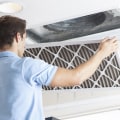
- Filter Replacement: One of the simplest yet most impactful maintenance tasks is replacing the air filter. A clogged filter restricts airflow, making your furnace work harder and less efficiently. It’s recommended to check the filter monthly and replace it every 1-3 months, depending on usage.
- Cleaning the Furnace: Dust and debris can accumulate inside your furnace, affecting its performance. Regularly clean the exterior and accessible interior components.
Use a vacuum with a brush attachment to remove dust from vents and the blower compartment.
- Inspecting the Blower Motor: The blower motor is responsible for circulating warm air throughout your home. Check for any unusual noises or vibrations during operation. Lubricate moving parts as needed to ensure smooth functioning.
- Checking the Thermostat: Ensure that your thermostat is functioning correctly by testing its accuracy. If you notice discrepancies in temperature readings, consider recalibrating or replacing it to maintain optimal comfort levels.
- Examining Ductwork: Inspect your ductwork for any signs of leaks or blockages.
Sealing leaks can improve efficiency and reduce energy costs significantly. Consider having a professional perform a thorough duct inspection if you suspect issues.
- Flame Sensor Cleaning: The flame sensor detects whether the burner is lit. If it becomes dirty, it may fail to detect the flame, causing the furnace to shut down. Clean the sensor with fine sandpaper or a soft cloth during maintenance checks.
- Safety Checks: Regularly test carbon monoxide detectors and ensure they are functioning properly.
Additionally, check for gas leaks around connections and ensure that all safety features of your furnace are operational.
DIY vs. Professional Maintenance: What You Need to Know
When it comes to maintaining your furnace, homeowners often find themselves at a crossroads: should they tackle the maintenance tasks themselves or hire a professional HVAC service? Understanding the differences between DIY maintenance and professional services is crucial for ensuring your furnace operates efficiently and safely.DIY Furnace Maintenance
Many homeowners are capable of performing basic maintenance tasks that can help prolong the life of their furnace. Here are some common DIY tasks:
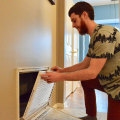
- Changing Air Filters: One of the simplest yet most effective maintenance tasks is regularly changing or cleaning your air filters.
Clogged filters can restrict airflow, making your furnace work harder and less efficiently.
- Cleaning Vents and Ducts: Dust and debris can accumulate in vents and ducts, reducing efficiency. Regularly vacuuming these areas can help maintain optimal airflow.
- Checking Thermostat Settings: Ensure that your thermostat is functioning correctly and set to the desired temperature. Sometimes, recalibrating or replacing batteries can resolve issues.
- Inspecting the Furnace Area: Keep the area around your furnace clear of clutter. This not only improves airflow but also reduces fire hazards.
When to Call an Expert
Some maintenance tasks require specialized knowledge and tools that only a professional HVAC technician possesses.
Here are situations where it’s best to call in an expert:
- Complex Repairs: If you notice unusual noises, strange smells, or inconsistent heating, these could be signs of more serious issues that require professional diagnosis and repair.
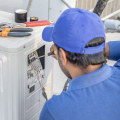
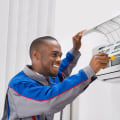
- Annual Inspections: A comprehensive annual inspection by a qualified technician can identify potential problems before they escalate. This includes checking electrical connections, inspecting heat exchangers, and ensuring safety controls are functioning properly.
- System Upgrades: If you’re considering upgrading your furnace or adding new components, such as a smart thermostat, professional installation is recommended to ensure compatibility and efficiency.
Common Issues Caused by Neglecting Maintenance
Neglecting regular furnace maintenance can lead to a myriad of issues that not only affect the efficiency of your heating system but can also pose significant risks to your home and family. Understanding these potential problems is crucial for homeowners who wish to avoid costly repairs and ensure a safe living environment.One of the most common issues arising from a lack of maintenance is reduced efficiency.When a furnace is not regularly serviced, dirt and debris can accumulate in critical components such as the filters, burners, and heat exchangers. This buildup restricts airflow and forces the furnace to work harder to maintain the desired temperature, leading to increased energy consumption and higher utility bills.Moreover, neglecting maintenance can result in frequent breakdowns. A furnace that is not properly maintained is more likely to experience mechanical failures. For instance, worn-out parts may fail unexpectedly, leaving you without heat during the coldest months.
These breakdowns often require emergency repairs, which can be significantly more expensive than routine maintenance.Another serious consequence of skipping maintenance is the potential for carbon monoxide leaks. Furnaces that are not inspected regularly may develop cracks in their heat exchangers. This can allow dangerous gases to escape into your home, posing severe health risks to you and your family. Regular inspections help identify these issues before they become life-threatening.Additionally, neglecting your furnace can lead to shortened lifespan.
Just like any other appliance, a furnace requires care to function optimally. Without regular check-ups, the wear and tear on components can accelerate, ultimately leading to premature failure. Homeowners may find themselves needing a complete replacement much sooner than expected, which can be a significant financial burden.In summary, the consequences of neglecting regular furnace maintenance are far-reaching. From increased energy costs and frequent breakdowns to serious safety hazards and reduced lifespan, the risks are substantial.
By prioritizing routine maintenance, homeowners can avoid these pitfalls and ensure their heating systems operate efficiently and safely throughout the winter months.
Signs Your Furnace Needs Attention
Recognizing the signs that your furnace requires attention is crucial for maintaining a safe and efficient home environment. Ignoring these warning signs can lead to more significant issues, including costly repairs and potential safety hazards. Here are some key indicators that your furnace may need immediate servicing:- Unusual Noises: If your furnace starts making strange sounds such as banging, clanking, or squealing, it could indicate mechanical issues. These noises often suggest that components are loose or worn out, necessitating a professional inspection.
- Inconsistent Heating: If certain rooms in your home are significantly colder than others, or if the temperature fluctuates unexpectedly, your furnace may not be distributing heat evenly.
This inconsistency can point to ductwork problems or a failing furnace.
- Increased Energy Bills: A sudden spike in your energy bills without a corresponding increase in usage can signal that your furnace is working harder than it should. This inefficiency often results from neglected maintenance or underlying issues that need to be addressed.
- Yellow Burner Flame: The burner flame in a gas furnace should be blue. A yellow or flickering flame can indicate incomplete combustion, which not only reduces efficiency but can also produce harmful carbon monoxide. If you notice this change, contact a professional immediately.
- Frequent Cycling: If your furnace frequently turns on and off, it may be short cycling due to an issue with the thermostat or other components.
This behavior can lead to increased wear and tear on the system and should be evaluated by an HVAC technician.
- Foul Odors: Any strange smells emanating from your furnace can be a cause for concern. A musty odor might indicate mold growth, while a burning smell could suggest overheating components. Both scenarios warrant immediate attention.
- Age of the Furnace: If your furnace is over 15 years old and showing signs of wear, it may be time to consider replacement rather than repair. Older units are less efficient and more prone to breakdowns.
Regular maintenance checks by a qualified technician can help identify potential issues before they escalate into major problems.
The Role of Air Conditioning Service in Overall HVAC Care
When it comes to maintaining a comfortable home environment, the significance of air conditioning service cannot be overstated. While many homeowners focus primarily on their heating systems, neglecting the cooling aspect of their HVAC (Heating, Ventilation, and Air Conditioning) system can lead to inefficiencies and discomfort during warmer months. Regular air conditioning service is not just about keeping your home cool; it plays a crucial role in the overall care of your HVAC system.One of the primary benefits of routine air conditioning service is enhanced energy efficiency. An air conditioning unit that is well-maintained operates more effectively, consuming less energy to achieve the desired temperature.This not only reduces your utility bills but also lessens the environmental impact of your home. A professional service typically includes cleaning or replacing filters, checking refrigerant levels, and inspecting components for wear and tear, all of which contribute to optimal performance.Moreover, regular maintenance helps to extend the lifespan of your HVAC system. Just as you would take your car for regular oil changes and tune-ups, your air conditioning unit requires similar attention. By investing in seasonal maintenance, you can prevent minor issues from escalating into major repairs or even complete system failures.
This proactive approach can save homeowners significant costs in the long run.In addition to efficiency and longevity, air conditioning service also plays a vital role in ensuring indoor air quality. A well-maintained system reduces the likelihood of mold growth and dust accumulation, which can lead to respiratory issues and allergies. Technicians often check for leaks and ensure that drainage systems are functioning properly, which helps maintain a healthy living environment.To maximize the benefits of air conditioning service, homeowners should consider implementing a seasonal maintenance schedule. Here are some tips:
- Spring Check-Up: Before the heat sets in, schedule a professional inspection to ensure your AC is ready for summer.
- Filter Replacement: Change or clean filters every 1-3 months to maintain airflow and efficiency.
- Thermostat Calibration: Ensure that your thermostat is functioning correctly for accurate temperature control.
- Duct Inspection: Check ducts for leaks or blockages that could hinder airflow.
- Regular Cleaning: Keep the outdoor unit free from debris such as leaves and dirt to promote efficient operation.
By understanding its importance and implementing regular maintenance practices, you can ensure that both your heating and cooling systems work harmoniously throughout the year.
Frequently Asked Questions About Furnace Maintenance
Homeowners often have numerous questions regarding furnace maintenance, and addressing these inquiries can significantly enhance their understanding and encourage them to take proactive steps in caring for their heating systems. Below are some of the most frequently asked questions about furnace maintenance.What is included in a typical furnace maintenance service?
A standard furnace maintenance service usually encompasses several key tasks:- Inspection of the furnace: Technicians will check for any visible signs of wear or damage.
- Cleaning: This includes cleaning or replacing air filters, removing dust and debris from the blower, and ensuring that the burners are clean.
- Testing safety controls: Ensuring that all safety mechanisms are functioning properly is crucial for safe operation.
- Checking thermostat settings: Technicians will verify that the thermostat is calibrated correctly to maintain optimal temperatures.
- Lubrication: Moving parts may require lubrication to reduce friction and wear.
How often should I schedule furnace maintenance?
It is generally recommended to schedule furnace maintenance at least once a year, ideally before the heating season begins. This ensures that your system is in peak condition when you need it most. Some homeowners may benefit from biannual check-ups, especially if they have older systems or use their furnaces heavily.What are the signs that my furnace needs maintenance?
There are several indicators that your furnace may require attention:- Increased energy bills: A sudden spike in your heating costs can signal inefficiency due to lack of maintenance.
- Noisy operation: Unusual sounds such as banging, rattling, or squeaking can indicate mechanical issues.
- Poor airflow: If certain rooms are not receiving adequate heat, it may be time for a check-up.
- Frequent cycling: If your furnace turns on and off more frequently than normal, it could be a sign of a problem.
Can I perform my own furnace maintenance?
While some basic tasks, such as changing air filters, can be done by homeowners, it is advisable to leave comprehensive maintenance to professionals.HVAC technicians have the training and tools necessary to identify potential issues that may not be apparent to an untrained eye. Regular professional servicing not only ensures safety but also extends the lifespan of your furnace.By addressing these common questions about furnace servicing, homeowners can better appreciate the importance of regular maintenance and take informed steps toward ensuring their heating systems operate efficiently and safely.
Conclusion: Prioritizing Your Furnace Maintenance for a Comfortable Home
In conclusion, the significance of regular furnace maintenance cannot be overstated. As we have explored throughout this article, a well-maintained furnace not only enhances the comfort of your home but also contributes to energy efficiency and safety. By prioritizing routine inspections and servicing, homeowners can prevent unexpected breakdowns and costly repairs, ensuring that their heating system operates smoothly when it is needed most.One of the key takeaways is that regular maintenance helps identify potential issues before they escalate into major problems.During a professional tune-up, HVAC technicians can detect wear and tear, clean essential components, and make necessary adjustments. This proactive approach not only extends the lifespan of your furnace but also optimizes its performance, leading to lower energy bills.Moreover, a well-maintained furnace significantly reduces the risk of hazardous situations such as carbon monoxide leaks. Regular checks ensure that safety features are functioning correctly, providing peace of mind for you and your family. It is crucial to remember that your furnace is a complex system that requires expert attention to operate safely and efficiently.As winter approaches, now is the perfect time to schedule your annual furnace maintenance.
Don’t wait until the first cold snap catches you off guard. Taking action today will ensure that your heating system is ready to provide warmth and comfort throughout the season.In summary, investing in regular furnace maintenance is an investment in your home’s comfort, safety, and efficiency. By making this a priority, you are not only safeguarding your property but also enhancing your overall quality of life. So take the necessary steps today—schedule your air conditioning service appointment and enjoy the benefits of a well-maintained heating system for years to come.